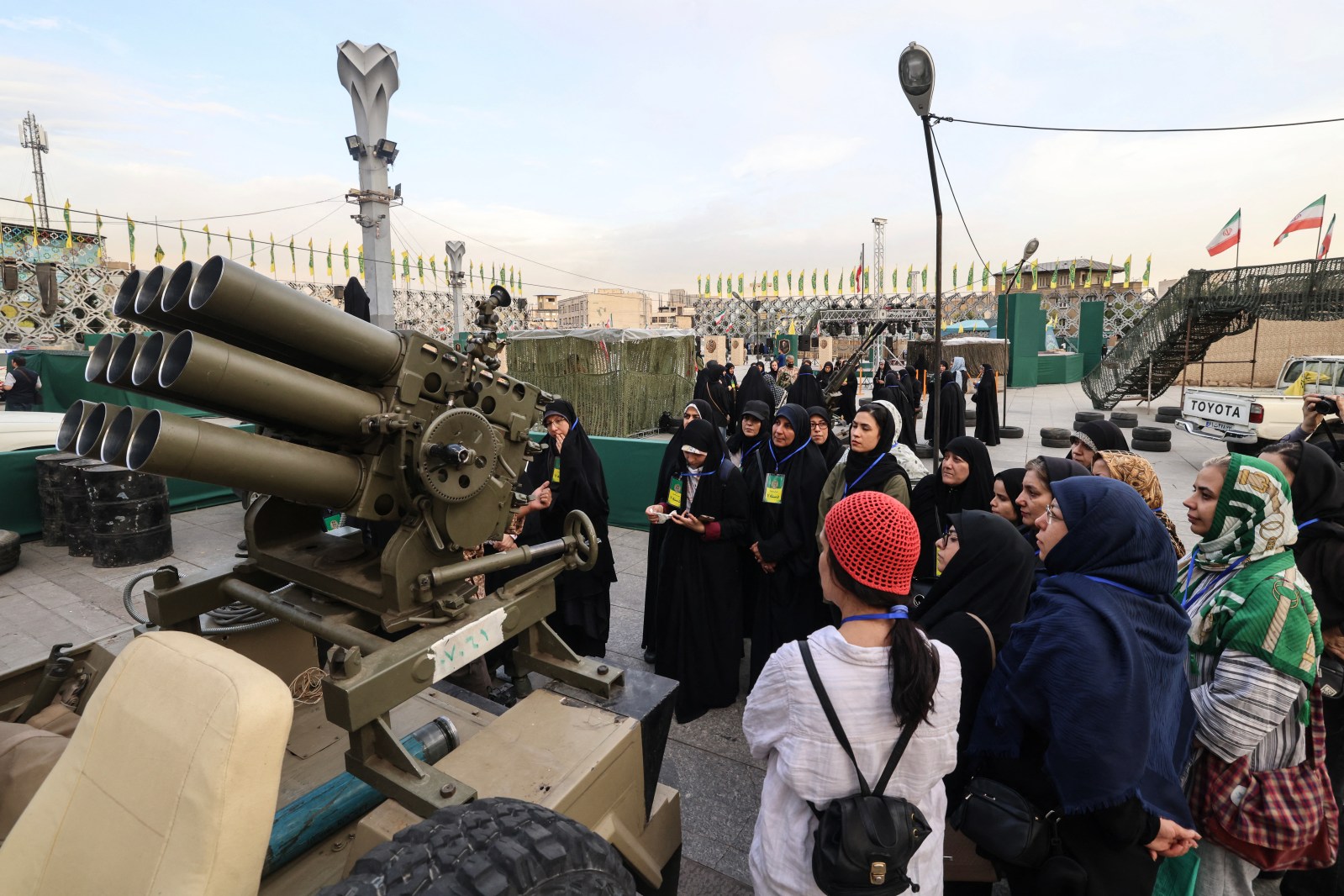
The control of the Strait of Hormuz remains a contentious issue. Recently, Secretary of State Marco Rubio claimed that Iran has lost complete control of the strait, a significant maritime passage. His statements came amid ongoing tensions in the region.
Current Shipping Dynamics
In September, approximately 16.5 million barrels of crude oil left the Persian Gulf daily, echoing pre-war averages. This was without including Iran, according to Kpler, a ship-tracking firm. The U.S. blockade and sanctions have significantly impacted Iran’s oil exports. Yet, incidents involving tanker attacks have risen sharply, particularly during the seven-month conflict period.
On a recent Tuesday, Kpler recorded only seven commodity vessels crossing the waterway—the lowest since July 23. Pre-war, about 125 large commercial ships crossed daily. These two contrasting scenarios illustrate the ongoing strife. The U.S. has succeeded in preventing Iran from closing the strait, but a new phase of conflict seems imminent.
Consequences of Escalation
The situation resembles an insurgency more than a peaceful resolution. Although Iran cannot entirely blockade the strait, it can still introduce substantial uncertainty and costs. The American naval presence continues because normalcy hasn’t quite been restored.
The U.S. is in a situation reminiscent of post-Iraq war times, spending years fighting insurgencies after declaring victory. Iran’s strategy involves decentralized defense and low-level maritime warfare, making the confrontation a protracted struggle.
Navigating Through Obstacles
Efforts to keep oil exports flowing have been predominantly achieved through rerouting rather than traditional passage through Hormuz. Kpler reports that nearly 40 percent of regional crude now bypasses the strait through Saudi and Emirati pipelines.
Despite the U.S. efforts, Iran hasn’t ceased its harassment campaigns. Merchant ships remain targets, as confirmed by recent attacks involving drones and unidentified projectiles. The JMIC reported multiple strikes between October 3 and 6, demonstrating the persistent threat.
Strategic Adaptations and Future Implications
Iran’s approach involves a strategy akin to guerrilla warfare. Utilizing drones, missiles, and fast boats, it maintains pressure without full-scale combat. American efforts to counter this have managed to keep some trade routes open, albeit at a high cost.
Opinions on the potential for absolute victory are mixed. Analysts like Swanson and Kelanic emphasize the complex and enduring nature of the conflict. Despite initial expectations that Iran might quickly succumb, it has continued its resistance.
Long-term Prognosis
Three major factors influence the potential outcomes of the ongoing situation: internal pressures within Iran, their ability to escalate attacks, and the political resolve of the U.S. administration. A lasting stalemate seems probable unless these dynamics shift significantly.
Speculation about future attacks and negotiations continue. Analysts suggest that without a comprehensive deal, tension will likely persist. The probability of significant escalation in the near future reflects the precarious balance between the involved parties.
As the U.S. navigates these waters, it must contend with domestic and international pressures. Any resolution would require navigating the complexities of regional dynamics and the impact of ongoing conflicts.
Leave a Reply