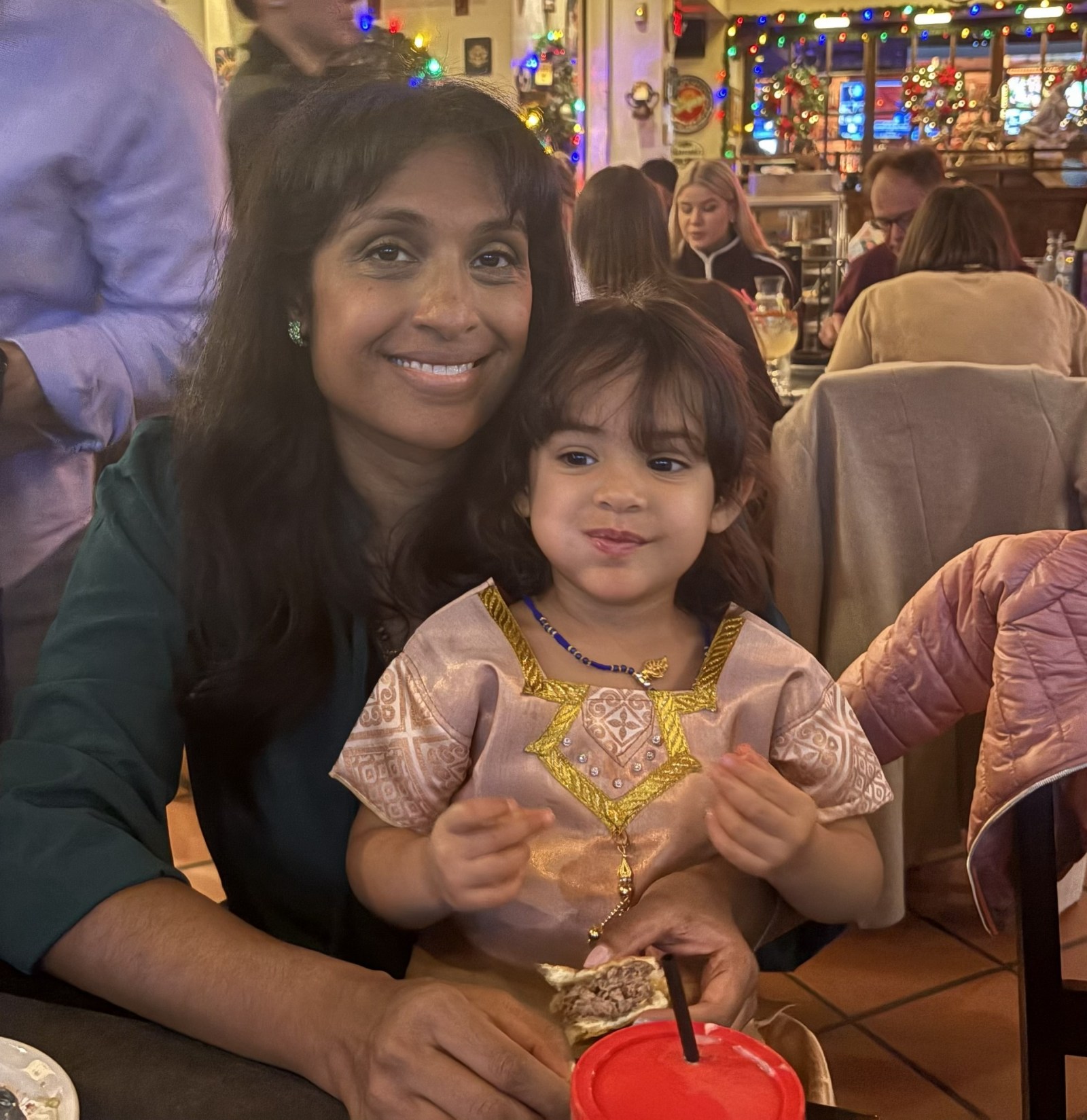
At three years old, my daughter is small for her age. She has a face that suggests she is easygoing, making adults think she won’t cause problems. She started school recently, and one day she returned home frowning, saying, “People keep calling me ‘so sad.’” Initially, I believed her classmates were empathizing, assuming she felt separation anxiety during dropoff. But daily, she would return and say, “They called me ‘so sad’ again,” as if that were her name. Something seemed wrong.
Eventually, I discovered she encountered a bully. A bigger boy had decided that preschool needed a villain. He didn’t hit or shove her; instead, he told her, “You’re so sad.” He got others to echo this taunt, “You’re so sad,” repeatedly. I interpreted “sad” as insinuating pathetic, small, and vulnerable, and my daughter understood too. For months, she came home upset, claiming, “I don’t have any friends. They all call me ‘So Sad.’” It broke my heart.
I raised this issue with the school and spoke with some parents of involved children. One parent mentioned consulting a pediatrician, who deemed the behavior as a form of empathy. Initially, I also thought this was true. Over time, I realized this was incorrect. I contacted the bully’s mother, who responded graciously, offering to speak with the teacher to resolve the issue. Despite this, nothing changed. My daughter felt isolated, targeted by psychological tactics, sophisticated yet subtle, unlike typical bullying. Teachers advised her to walk away and respond politely. It’s frustrating to see the victim expected to ‘rise above’ even at such a young age.
Attempting to protect my daughter, I taught her comebacks like, “Eat a brick,” and “Go kiss a giraffe.” Building her confidence to stand up for herself was crucial. We placed a note on our bathroom mirror highlighting her goal: “Stand up for myself at school,” reading it daily while brushing her teeth. Her responses, however, didn’t deter the taunting. Desperate, I suggested a last line: “You’re a bully, and the police are going to get you.” While this contradicted my values and was not a well-thought-out strategy, seeing my child silently endure harm was infuriating.
When the boy taunted her next, my daughter confidently retorted, “You’re a bully and the police are going to get you!” Amazingly, her classmates sided with her, repeating the line during the day. Finally, the school paid attention. The teacher addressed the class about using ‘nice language’ and ‘not saying hurtful things.’ Only then did they ban the phrase “You’re so sad.” I felt proud. Sometimes self-defense may mean making others uncomfortable.
Girls are often taught to endure pain gracefully and value politeness over self-respect. Mothers receive similar messages: trust the system and stay composed. It promotes emotional intelligence but can mean diminishing oneself. This applies significantly to girls of color, like my daughter.
While I don’t intend for her to threaten conflict resolution with law enforcement regularly, I aim to prepare her for real-world challenges. One day, she could face unwanted advances, sexism, or toxic relationships. It’s distressing, yet the idea she would risk wellbeing to avoid appearing impolite is worse. Knowing she stands up for herself helps me sleep peacefully. Months of quiet suffering solved nothing at her school. One day of finding her voice did.
Inimai Chettiar is president of A Better Balance, a nonprofit advocating for women and caregivers, and mother of two daughters. The views expressed are her own.
Do you have a personal essay to share with Newsweek? Send your story to [email protected].
Leave a Reply