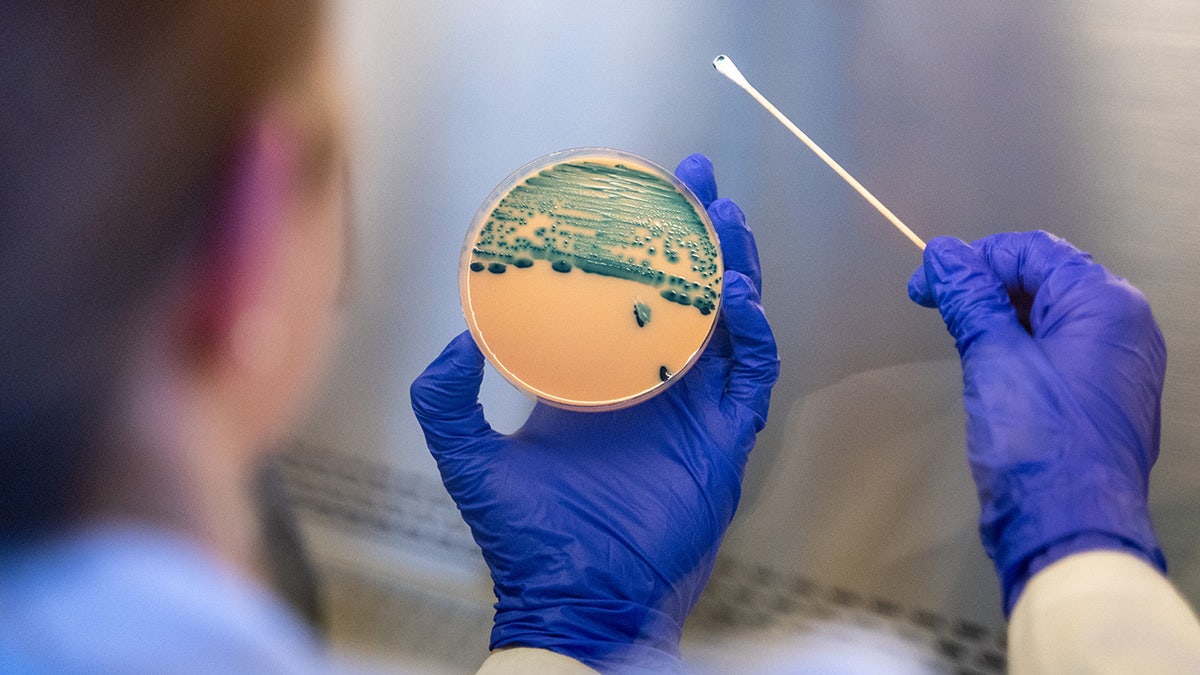
A contagious gut infection, known as Shigella, is growing harder to treat due to increasing antibiotic resistance. A report from the Centers for Disease Control and Prevention (CDC) studied nearly 17,000 Shigella samples collected from 2011 to 2023. These samples, causing Shigellosis, can lead to diarrhea, fever, and abdominal cramps.
Resistance Trend
In 2023, 8.5% of Shigella samples with resistance data were classified as extensively drug-resistant (XDR), showing resistance to all five antibiotics listed by the CDC. In contrast, there were no such cases from 2011 to 2015. Dr. Tyler Evans, an infectious disease physician and CEO of Wellness Equity Alliance, noted that the resistance issue does not indicate a surge in overall infections.
The infection is not surging. The bacteria are changing. Case counts can hold steady while treatment options quietly disappear.– Dr. Tyler Evans
Currently, there is no FDA-approved oral antibiotic for XDR Shigella.
Transmission and Risk Factors
Shigella spreads when small amounts of stool enter the mouth, often through contaminated food, water, unwashed hands, or sexual activity. Although not typically classified as a sexually transmitted infection, sexual transmission can occur.
Dr. Andi Toufexis highlighted that Shigella transmission through sexual contact, especially among men who have sex with men, has been reported since the 1970s. The CDC analysis showed that 86% of XDR patients were men, with a median age of 41. Nearly half of those with known HIV status were living with the virus. People experiencing homelessness or with weakened immune systems also face higher risks.
Symptoms and Prevention
Children under the age of 5 frequently contract Shigella, often linked to child care and schools. Severe illness may require treatment, though most infections resolve on their own. Data revealed that 37.6% of patients with hospitalization data were admitted for the resistant infection.
Due to the risk of resistance, health experts advise against taking over-the-counter antidiarrheal medicines like Imodium, as they may slow gut function, hindering the body’s ability to flush out bacteria.
- Wash hands thoroughly before preparing food.
- Clean genitals and the anal area before and after sex.
- Use condoms or dental dams to minimize risk.
- If experiencing diarrhea, avoid sexual contact and wait at least two weeks after symptoms end before resuming.
Despite these concerns, Dr. Evans advises being “concerned, not panicked.” Following preventive measures can help reduce the spread of Shigella and protect individuals and communities.
Leave a Reply