Strategic Vision for Defense
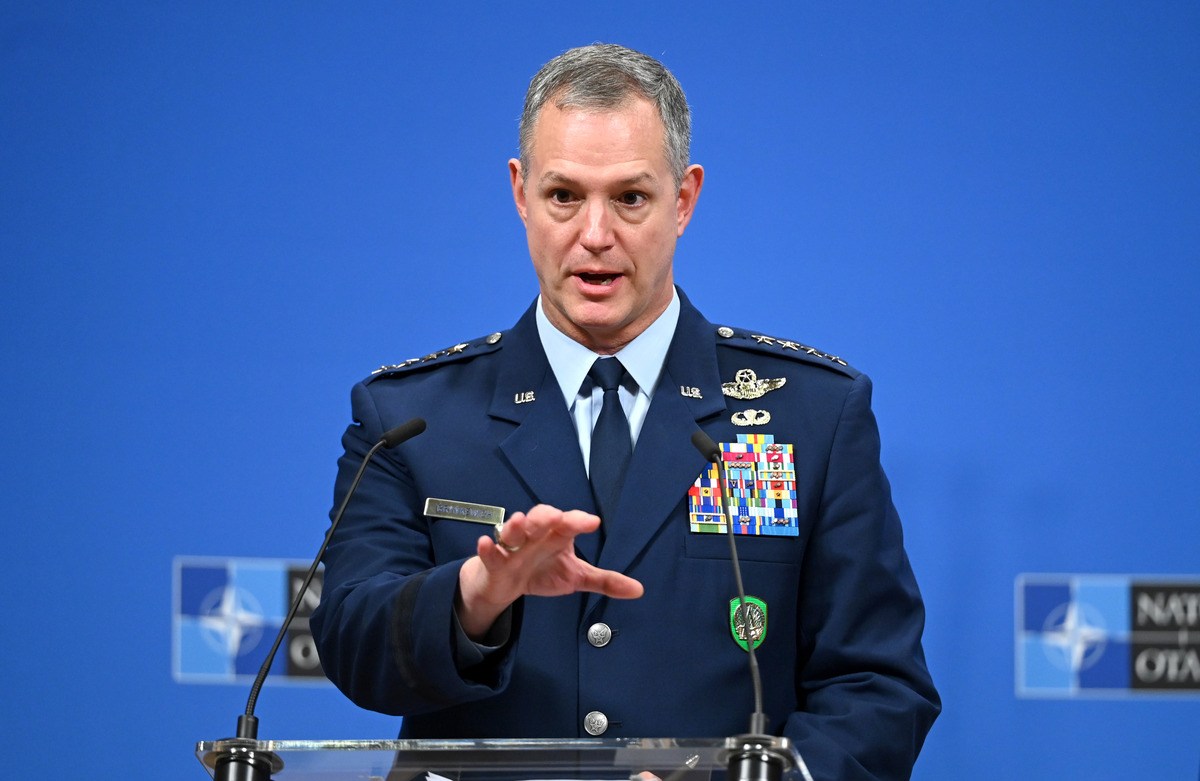
NATO’s top military leader, General Alexus Grynkewich, the Supreme Allied Commander Europe, outlined a strategic plan to counter any aggressive moves against its member states. This initiative aims to ensure the alliance’s ability to defend its members effectively. Speaking in Warsaw, he highlighted a shared strategy among the 32 NATO members, which he calls a “theory of victory.” This strategic framework aims to deter any potential attacks and assure defense capabilities.
Potential Threats from Russia
NATO has expressed concerns over potential Russian aggression, particularly in the form of “hybrid warfare.” This involves actions like cyberattacks and infrastructure threats instead of direct military conflict. Intelligence assessments indicate that these could escalate or lead to minor territorial aggression, especially in Eastern Europe.
Denmark’s military intelligence noted an increase in Russian cyber and sabotage activities. This was coupled with Russia’s perceived readiness to take increased risks in Europe. NATO countries are responding by increasing military spending and stockpiles, a move encouraged by the United States, which wants its allies to rely less on American forces and focus on threats like China’s interest in Taiwan.
Tensions and Incursions
European NATO members, especially those near Russia, have observed concerning aerial activity from Russia. These include drone and missile entries into their airspace. Officials interpret these actions as attempts to test NATO’s responses and degrade support for Ukraine. Despite these provocations, General Grynkewich downplayed the immediacy of a full-scale conflict.
NATO’s Tactical Response Plan
Should a NATO member face an attack, the alliance’s plan involves mobilizing land forces to confront the threat directly. Air and naval forces would engage using a combination of cost-effective and precision long-range munitions. While specific cyber and space operations remain undisclosed, these domains are integral to the response strategy.
General Grynkewich emphasized using advanced detection systems to neutralize other forms of attacks swiftly. If the aggressor persists, NATO would target both the immediate threat and its logistical support. The plan involves overwhelming forces with numerous affordable munitions and a limited number of high-precision missiles.
Leave a Reply