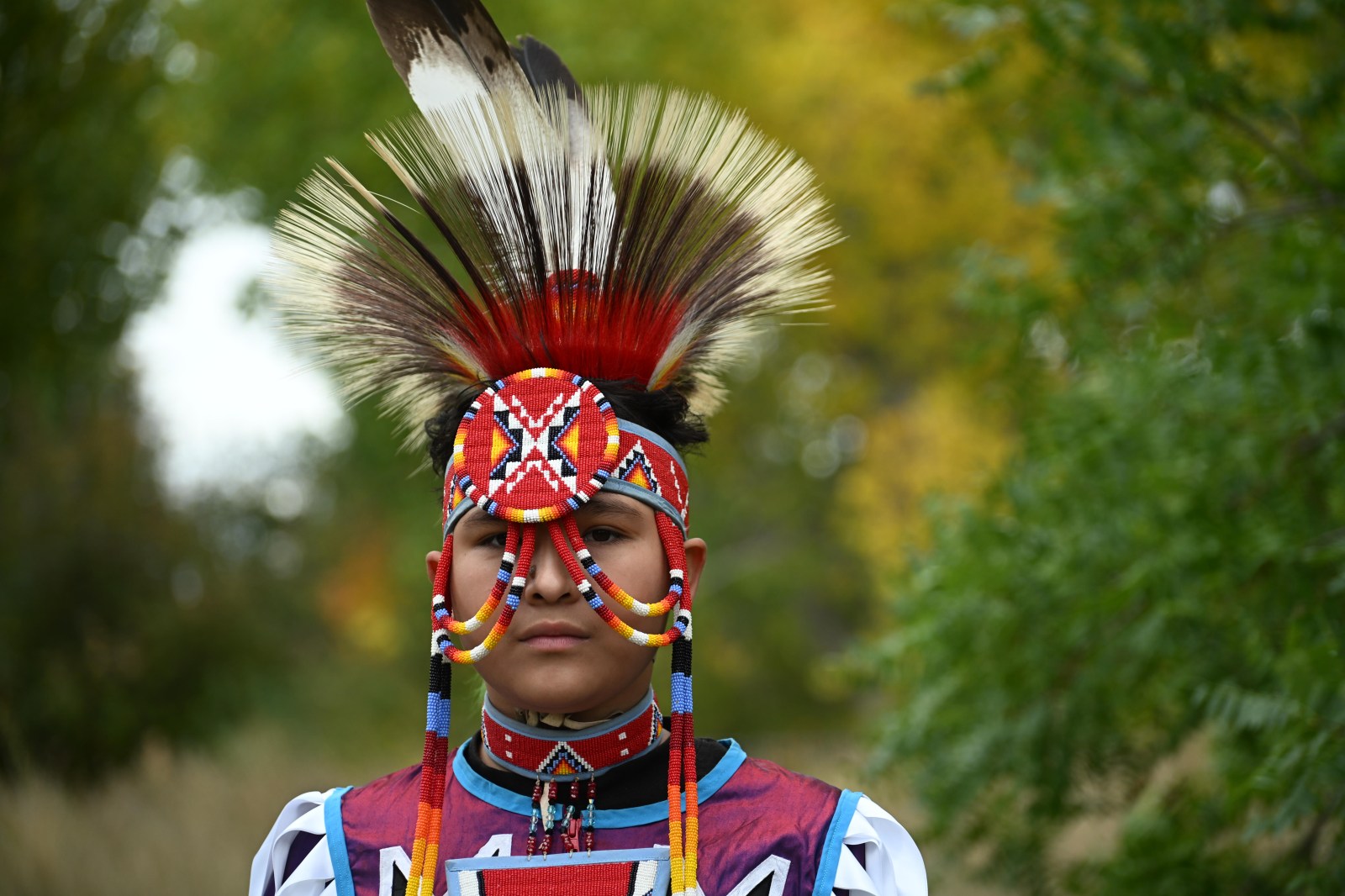
Americans across the country observe the second Monday of October under various names, reflecting a divide over whether to celebrate Columbus Day, Indigenous Peoples’ Day, or both. Although Columbus Day is a federal holiday, many states are adopting Indigenous Peoples’ Day in recognition of Native Americans. This year, the day occurred on Monday, October 12.
A Split in Recognition
According to the Pew Research Center, 30 states and three U.S. territories recognize Columbus Day in some manner. However, only 20 states and two territories treat it as a paid holiday for state employees. In contrast, 17 states and Washington, D.C., recognize Indigenous Peoples on this day, but just five—Montana, Nebraska, Ohio, Pennsylvania, and Rhode Island—also observe it as a paid holiday along with Columbus Day.
Why the Holiday Debate Matters
The choice of holiday names in October underscores a larger discussion about how the United States acknowledges its history. Though Columbus Day remains a legal federal holiday, a growing contingent of states opts to honor Indigenous Peoples either alongside or instead of Columbus.
Federal and Presidential Recognition
Indigenous Peoples’ Day is not currently a federally recognized holiday. President Joe Biden made history as the first U.S. president to issue a proclamation recognizing Indigenous Peoples’ Day in 2021. However, this did not alter the statutory name of Columbus Day at the federal level. Biden’s proclamation emphasized the importance of honoring Indigenous contributions and the government’s obligations to Tribal Nations.
In contrast, former President Donald Trump recently issued a proclamation celebrating Columbus Day, lauding Columbus’ bravery and the significance of his legacy for the American republic.
State Observances of Indigenous Peoples’ Day
Currently, 17 states and Washington, D.C., observe Indigenous Peoples’ Day, but the manner of observance varies.
- Dual Observance: Montana, Nebraska, Ohio, Pennsylvania, and Rhode Island observe Indigenous Peoples’ Day alongside Columbus Day as a paid holiday. Alabama recognizes both Columbus Day and American Indian Heritage Day.
- Indigenous Peoples’ Day Only: Maine, New Mexico, South Dakota, and Vermont have replaced Columbus Day entirely with a paid Indigenous Peoples’ holiday.
- Unpaid Recognition: Alaska, California, Hawaii, Minnesota, Oklahoma, Oregon, and Wisconsin recognize the day’s significance without making it a paid holiday.
States Maintaining Columbus Day
Though some states have removed Columbus Day from their calendars, it still holds recognition in others. According to Pew, 30 states continue to recognize Columbus Day, with 20 making it a paid holiday for state employees. There is overlap as some states, like Alabama, Montana, Nebraska, Ohio, Pennsylvania, and Rhode Island, honor both Indigenous observance and Columbus Day.
The differences reflect diverse perspectives on Columbus’ legacy. Proponents of Indigenous Peoples’ Day argue that Columbus Day overlooks the Native peoples present before European colonization and the ensuing consequences. As Paul Chaat Smith, a Comanche author and curator, has noted, “The most American thing about America is American Indians.”
Establishing Indigenous Peoples’ Day
The advocacy for Indigenous Peoples’ Day dates back decades. In 1977, a conference in Geneva addressed the topic of replacing Columbus Day with a day for Indigenous peoples. South Dakota was an early adopter, instituting Native American Day in 1990. Berkeley, California, marked the first U.S. city to observe Indigenous Peoples’ Day in 1992.
This movement eventually reached the White House. In 2021, President Biden’s proclamation formally acknowledged Indigenous Peoples’ Day, although it did not make the day a federal holiday or remove Columbus Day from federal law.
Business and School Observations
On Columbus Day, federal offices typically close, affecting services like the U.S. Postal Service. The Federal Reserve Banks also close, impacting many traditional bank branches. Schools do not have a consistent approach nationwide; state and local calendars determine closures. Most private businesses decide their own schedules.
Future Considerations
While federal offices continue to observe Columbus Day, the debate is far from settled. States may keep adjusting their holiday calendars, but Columbus Day remains the official federal holiday. Former President Trump declared that America owes Columbus gratitude and vowed to protect his legacy.
Editors and reporters from Newsweek, with assistance from AI, contributed to this report.
Leave a Reply