A Republican-aligned super PAC acknowledged mistakenly placing ads aimed at Maine Democratic Senate candidate Troy Jackson in the wrong state, according to a report by Newsweek. The error involved approximately $25,000 in digital advertising being placed in Portland, Oregon instead of Portland, Maine. The mistake was confirmed by Defending Main Street, the super PAC involved.
The error was promptly corrected once identified. Defending Main Street has stated that the vendor responsible will refund the misplaced funds, ensuring that no donor money is lost. This incident comes amid a competitive Senate race in Maine, expected to be among the most contested in the 2026 midterm elections.
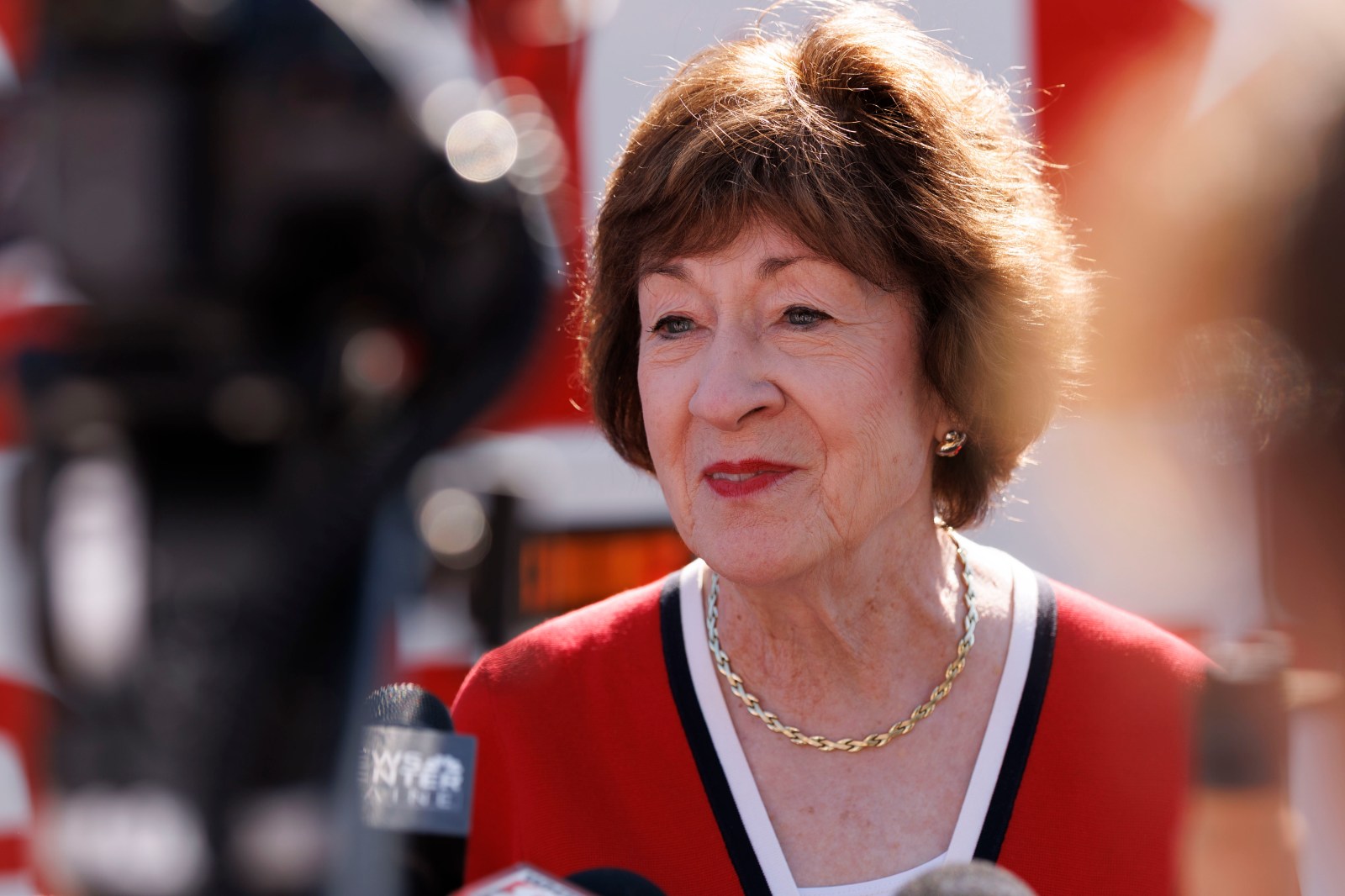
Maine leans Democratic in federal elections. In 2024, President Donald Trump lost the state by seven points. However, incumbent Republican Senator Susan Collins has historically been a strong competitor in Maine. Collins has won previous elections by significant margins, but Democrats are hopeful that Troy Jackson, a former Maine Senate president, can challenge her successfully. This optimism aligns with a national environment purported to favor Democrats, as Trump’s approval ratings decline amid economic concerns.
The ad, purchased by Defending Main Street PAC, criticized Jackson’s tax policy. It asserted that Maine “can’t afford Troy Jackson and all his taxes.” The ad reportedly had 1.25 million views, based on data from the Google Ads Transparency Center. Screenshots circulated on social media indicated that the ad targeted Oregon ZIP codes; by Monday afternoon, it was redirected to the correct location in Maine.
Susan Collins and her allies are so out of touch with Maine, they can’t even find it on a map. Good luck convincing Mainers you know what’s best for them when you don’t know which Portland they live in,wrote Dan Gottlieb, Jackson’s spokesperson.
Why the Maine Senate Race Matters in the 2026 Midterms
This race is significant as it may influence whether Democrats or Republicans control the Senate post-midterms. It presents a prime opportunity for Democrats to flip a Republican-held seat, given Maine’s Democratic-leaning tendencies and the overall national sentiment. Currently, Republicans hold a 53-47 majority in the Senate. To gain control, Democrats must secure four additional seats, with Vice President JD Vance acting as the tiebreaker.
Besides Maine, North Carolina, narrowly won by Trump, is viewed as another opportunity for Democrats. No other Republican-held states are in regions where Trump lost or barely won in 2024; hence, Democrats need to win additional challenging states if they fail to flip Maine.
Latest Polls on the Maine Senate Race
Recent polling suggests a competitive race. A poll by The Washington Post and George Mason University, conducted from September 30 to October 5, indicated Jackson led Collins by four points among 800 likely voters. Similar support levels were noted in a Marist University poll where Jackson led by four points. However, a YouGov/CBS News poll showed both candidates even at 50 percent. Past polls underestimated Collins, yet she managed to secure her seat in the 2020 elections with over 50 percent of the vote.
Insights from Prediction Markets
As of Monday, prediction markets slightly favor Jackson. He held a 58 percent chance on Kalshi and a 59 percent chance on Polymarket. These markets project probabilities based on traders’ real-money investments. They aggregate information from various political activities, including polls and fundraising, although they don’t always guarantee future outcomes.
Developments in Maine’s Senate Race
Jackson has gained endorsements from prominent Democrats like former President Barack Obama. Vermont Senator Bernie Sanders, an independent allied with Democrats, also campaigned for him. On the Republican side, Trump indicated a potential Maine visit.
During recent debates, Collins and Jackson faced off on various issues. Collins criticized Trump’s trade policies but faced opposition from Jackson regarding her proposed solutions. Economic factors, such as heating oil prices, remain central to the discussions.
Collins opposed Trump’s decision to import Russian diesel, declaring: I oppose President Trump’s decision to lift sanctions on the purchase of diesel from Russia. I was a cosponsor of the Russian sanctions law, which the president recently signed but is now not following.
Future Events
Two more debates are slated for October 13 and October 15. Both the Cook Political Report and Sabato’s Crystal Ball consider the Maine Senate race a toss-up, indicating its critical role in the midterm elections.
Leave a Reply