Ohio is at the forefront of a significant political battle concerning the massive data centers crucial to America’s AI advancement. In November, voters across the state will address 20 ballot measures related to data centers across 17 jurisdictions. These measures account for over half of the 34 nationwide ballot measures, positioning Ohio as central to discussions about the impact of these expansive facilities on power, water, and local communities.
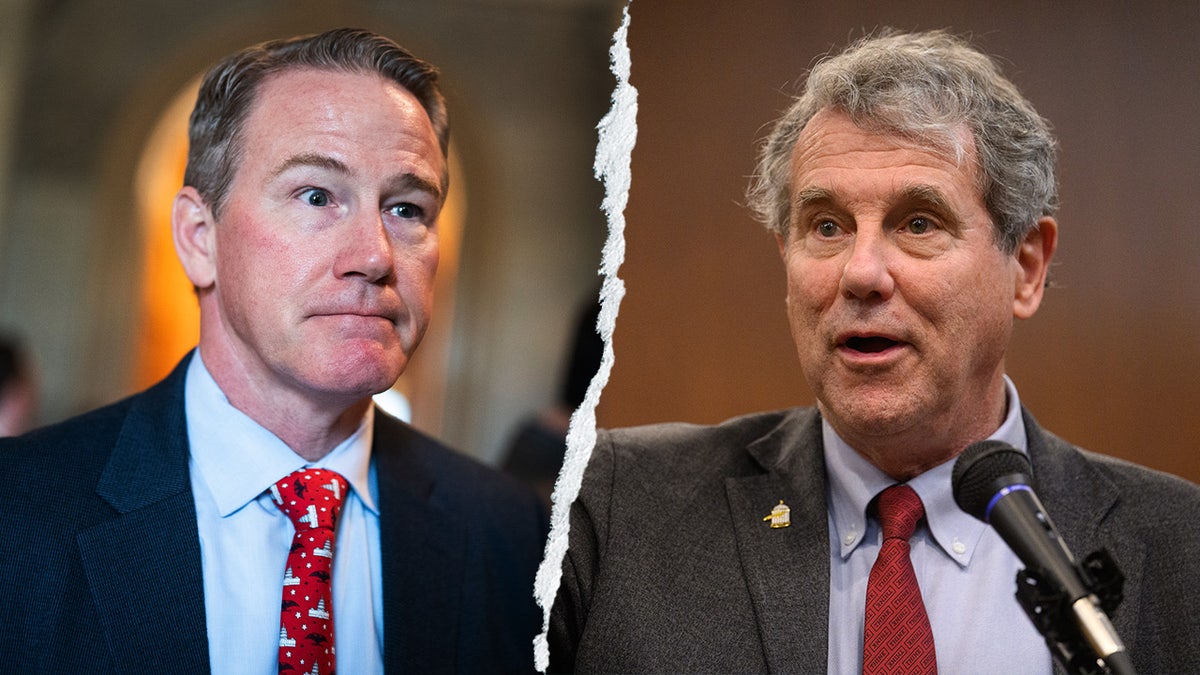
This issue intersects with Ohio’s closely watched Senate race, where data centers have become a campaign focal point. President Donald Trump advocates for the extensive development of these centers, viewing it as vital for maintaining U.S. leadership in global AI development.
Senator Jon Husted, R-Ohio, spearheaded the Senate’s approval of the Ratepayer Protection Act. This legislation mandates that data centers cover their power and infrastructure costs instead of passing them to American taxpayers. This move highlights the magnitude of this issue in Ohio as midterm elections approach.
“Look, there’s so much money to be made for Ohio, you can’t just turn them off,” said President Trump.
In Ohio’s Senate race, Democratic challenger Sherrod Brown, who previously served as a senator from 2007 to 2025, has criticized Husted for his stance on data center development. Conversely, Trump has defended the Republican’s position.
Nationwide, voters will consider 34 data center-related ballot measures across seven states, including California, Florida, Illinois, Kansas, Nevada, Ohio, and Wisconsin. As these infrastructure elements gain prominence in political discourse, their potential economic and environmental impacts are increasingly examined.
A national Fox News poll last month highlighted voter ambivalence about AI’s potential benefits versus the data centers’ economic and environmental costs. Over 70% of voters opposed building AI data centers in their vicinity. However, more than half (52%) favored constructing them in remote areas.
Overall, 60% of voters held a negative perception of AI, with only 37% viewing it positively. This 23-point gap has expanded since a previous survey in July.
The poll also revealed a partisan divide over AI and data centers. Favorable views of AI were more common among Republican voters, while unfavorable views were more common among Democrats. This division also mirrored opinions on data centers, reflecting broader partisan views on AI policy in Washington and on the campaign trail.
President Trump opposes extensive federal regulation of AI and stresses the importance of U.S. leadership in the technology race, particularly against China.
In Texas, Republican Governor Greg Abbott has recently paused new data center permits, pending a statewide audit on their effects on the power grid and water resources. Democratic challenger Gina Hinojosa supports temporary halts on data center development.
In the Texas Senate race, Republican Attorney General Ken Paxton and Democratic State Representative James Talarico have debated tax incentives for the data center industry.
Leave a Reply