Data center companies have discovered that gaining favor in Washington does not equate to winning national approval. They secured permits, had agency backing, and a president’s support, warning communities against rebuffing their advances. Yet, local opposition surfaced.
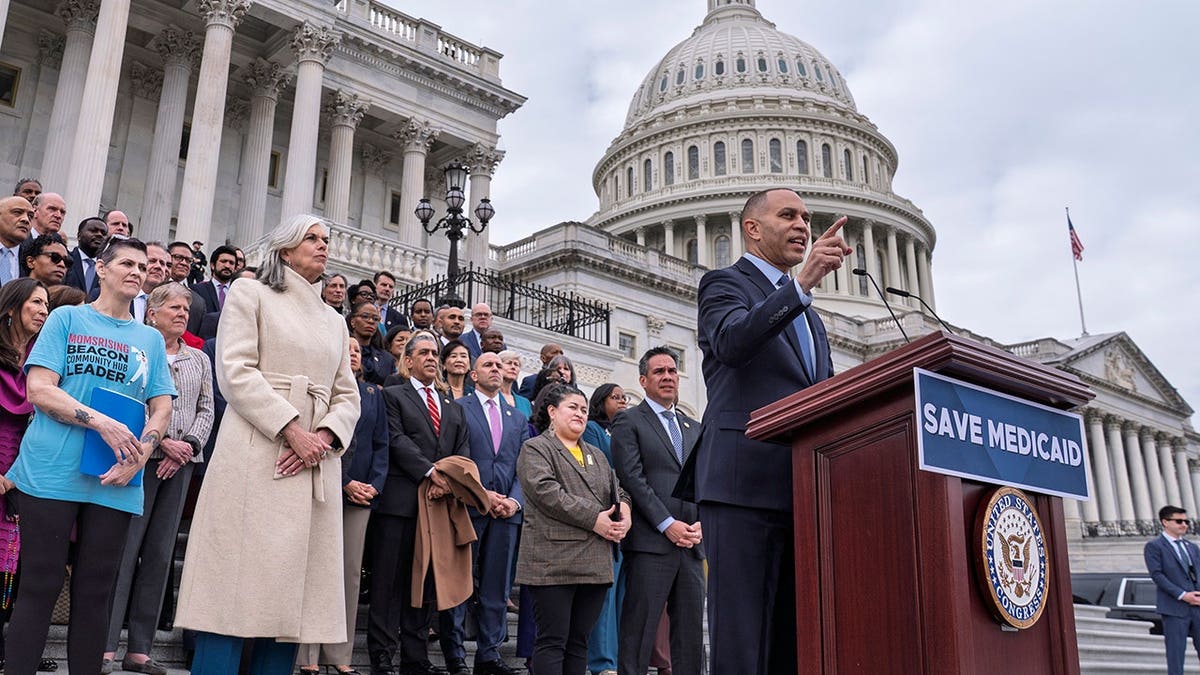
The upcoming midterm elections pose a similar challenge. While polls suggest Democrats might capture Congress, businesses risk confusing this with nationwide Democratic dominance. Overcoming this misstep requires seamless collaboration between corporate communications and government affairs leaders.
Corporate communicators should recognize that election outcomes won’t reflect stakeholder opinions on future issues. Meanwhile, government affairs experts must remember that a shift in Congress doesn’t mean President Donald Trump loses influence.
Despite congressional opposition, previous presidents have maintained regulatory power. President George W. Bush continued influential initiatives even after Republicans’ electoral setbacks in 2006.
President Barack Obama similarly enacted significant measures after losing Congress in 2014. And President Joe Biden’s Federal Trade Commission pursued corporate lawsuits near the end of his presidency.
For example, after losing the House in 2018, Trump pursued aggressive policies, including a prolonged government shutdown and declaring a national emergency to fund the border wall, emphasizing his leverage through agencies.
It’s crucial to understand that voters’ preferences don’t change party allegiance. Historically, the party in power gains seats in only a few midterms, suggesting economic issues, such as rising costs from tariffs and war, drive losses.
Successful communication and government affairs strategies require a synergistic approach. Data center experiences illustrate the pitfalls of a lack of coordination. Despite regulatory approvals, local resistance halted many projects, highlighting a disconnect between government affairs and corporate communications.
Data centers aren’t the sole focus. For instance, Trump’s executive orders highlighted DEI concerns, causing tension within companies striving to balance equity with contractual obligations.
Immigration issues similarly demand a united front. Hotel chains grappled with controversy over ICE agents’ lodging, underlining the need for coordinated responses combining government and community insights.
A unified strategy, crafted by both teams, should address corporate vulnerabilities, leverage points, and potential shifts in alliances. Continued engagement with regulators and understanding customer and community expectations is essential.
Planning for a post-election landscape involves preparing for shifting political narratives. Voter desires for economic improvement and opposition to data centers in their areas push companies to avoid assumptions about party changes.
Dustin Siggins, founder of Proven Media Solutions and a business writer, emphasizes these strategic necessities. Drawing from extensive experience with major publications, Siggins advises on aligning corporate communications with government realities.
Leave a Reply