Evanston residents might face increased costs in 2027 due to proposed budget changes. City staff suggested an 8.9% property tax hike and a 25% rise in water rates. Additional costs are expected for natural gas usage and garbage collection, as discussed in the Oct. 12 City Council meeting. The budget draft plans to impose higher taxes on non-essential services like streaming and rideshare apps.
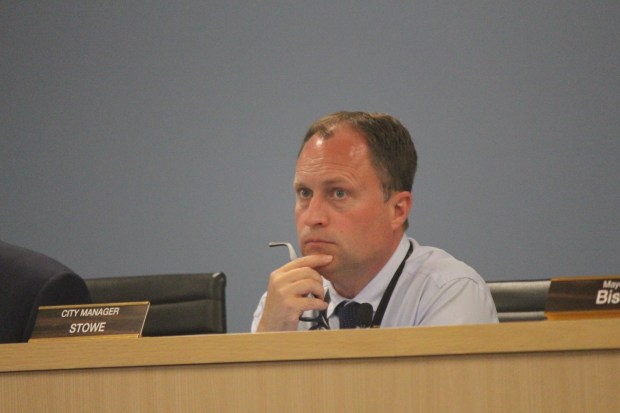
Council members voiced concerns over these proposed tax hikes, urging city staff to consider reducing expenses before increasing residents’ financial burden, even if it means cutting jobs. The budget is set for final approval by City Council before Thanksgiving. Evanston’s fiscal year runs from Jan. 1 to Dec. 31, 2027. The extra funds from the budget aim to support the Parks and Recreation Fund and replenish Evanston’s General Fund reserves, as stated by City Manager Luke Stowe’s office.
The city also announced a $100 million Capital Improvement Plan for 2027. This plan includes replacing nearly 10,000 lead service lines that connect water mains to homes, among other infrastructure upgrades. “The proposed FY 2027 budget aims to enhance the city’s financial health while maintaining vital services and addressing major infrastructure needs,” Stowe wrote in a letter to City Council members on Oct. 6.
The 2027 city budget proposes $349 million in expenditures, marking a 2% or $6.9 million increase over the previous year, excluding operating transfers. City Manager Luke Stowe highlighted that the largest cost increases stem from the city’s Grant and Insurance Funds. The Insurance Fund expenses will grow by roughly 17% next year due to several factors, primarily increased usage of GLP-1 medications. The city intends to use its remaining reserves to balance the General Fund, which is expected to have a $6 million deficit.
Chief Financial Officer Hitesh Desai noted that the projected General Fund deficit is lower than in prior years, thanks to a 6.6% increase in total revenue driven by economic inflation and tax rate increases. If the proposed 2027 budget passes, local property taxes would rise by about 1.7%, costing an additional $180 annually for a median-valued home at $481,000.
Additional fees include a rise in the streaming service tax from 5% to 10% and an increase in rideshare taxes from $0.20 to $0.50 per ride. Natural gas tax would double, waste pickup fees would rise by 5%, and a $0.05 increase would apply to grocery bag tax. A 25% increase in water usage rates is planned to support infrastructure investments and associated costs.
Council members pushed back against these fees, arguing the plan excessively depends on taxpayers without exploring alternative revenue sources. Ald. Tom Suffredin emphasized that the city should scrutinize staffing roles, stating, “Residents will notice the costs going up in 2027.” He, along with other Council members, suggested examining staffing cuts as a way to reduce expenses, as 80% of the General Fund costs are personnel-related.
Ald. Matt Rodgers and Clare Kelly advocated for a detailed review of expenses, suggesting salary cuts for top earners. CFO Desai revealed the plan to cut seven full-time positions next year, though some Council members believe more reduction is necessary.
Ald. Bobby Burns defended the staffing levels, citing efforts to prevent overwork within city departments. He expressed concern over potential service impacts if further reductions occur. Council members will continue their budget discussions at the next meeting on Oct. 26, with a tentative final approval date set for Nov. 23.
Leave a Reply