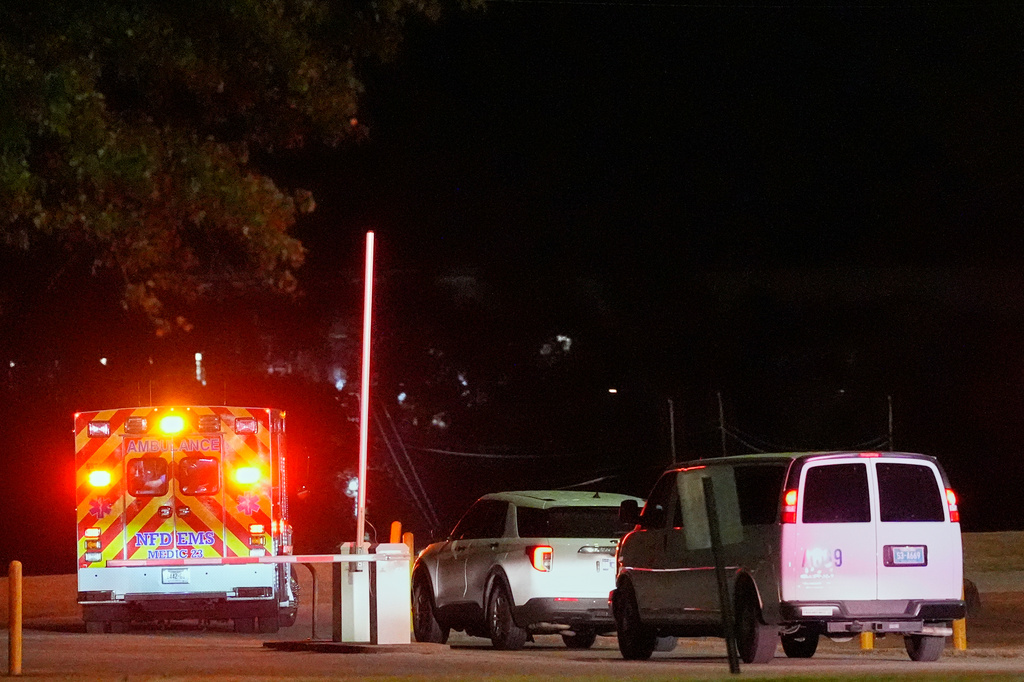
Emergency vehicles departed from Riverbend Maximum Security Institution in Nashville, Tenn., after the halted execution of Christa Pike on September 30, 2026. Recently, the United States faced scrutiny over its continued use of the death penalty. A botched execution in Tennessee triggered the Trump administration to consider broadcasting an execution publicly, a decision later retracted due to substantial criticism. The ongoing discussions highlight the inherent cruelty and consistent failures of a system many see as flawed.
Planned Public Execution Met with Outcry
Defense Secretary Pete Hegseth declared plans to livestream the execution of former Army Major Nidal Malik Hasan. Hasan was convicted of a mass shooting at Fort Hood in 2009, which claimed 13 lives. This would mark the first military execution in over sixty years. The notion of broadcasting the execution invited severe backlash from various quarters, including military officials, the pope, and even members of the same political party.
On Thursday, President Trump announced that the livestream was canceled. However, the execution by firing squad was still scheduled to occur. Such decisions likened the U.S. to governments using public executions to exert control over their citizens.
Botched Execution Raises Alarm
Recently, Tennessee’s attempt to execute Christa Pike failed. The process involved administering lethal injection drugs twice, leaving Pike in critical condition instead of executing her. This incident echoes another failed execution attempt. Months earlier, Tennessee subjected Tony Carruthers to a prolonged process of securing an IV line over 90 minutes. The procedure caused significant pain and trauma to Carruthers, culminating in a punctured and bloodied state.
Such attempts reflect the violence inherent in executions supposedly concealed by the clinical veneer of lethal injections. Changing the method’s appearance does not alter the grim reality behind state-sanctioned killings.
New and Old Methods Under Scrutiny
Attempts to refine execution methods underscore the persistent problems with the death penalty. In 2024, Kenneth Smith’s execution via nitrogen hypoxia in Alabama resembled an agony instead of a quick and painless process. In 2025, a South Carolina firing squad’s actions left Mikal Mahdi alive longer than anticipated. Byron Black’s execution that year ended with visible suffering, later confirmed by autopsy findings.
The Constitutional Debate
Legal standards also present paradoxical challenges. Contesting an execution method requires proposing an alternative that minimizes pain. This requirement forces individuals to participate in forming methods potentially leading to their own death. The Eighth Amendment advocates preserving human dignity, placing into question how much cruelty can be tolerated in sustaining executions.
The Impact of Secrecy
Secluded executions often hide the painful realities behind such acts. Yet, for those present such as victims’ families and legal teams, the trauma remains. Secrecy does not eradicate suffering. It merely allows broader society to ignore it.
A Call for Change
The backlash against the proposed Pentagon livestream is a call to reconsider our practices. Supporters of executions must question the basis of their support and scrutinize whether it’s possible to carry out humane executions. The unsettling events highlight that the problems faced are not mere errors to be rectified. They urge a dialogue about abolishing a system that stands contrary to constitutional principles protecting human dignity.
Yasmin Cader is Deputy Executive Director of the American Civil Liberties Union.
© 2026 Nexstar Media Inc. All rights reserved. This material may not be published, broadcast, rewritten, or redistributed.
Leave a Reply