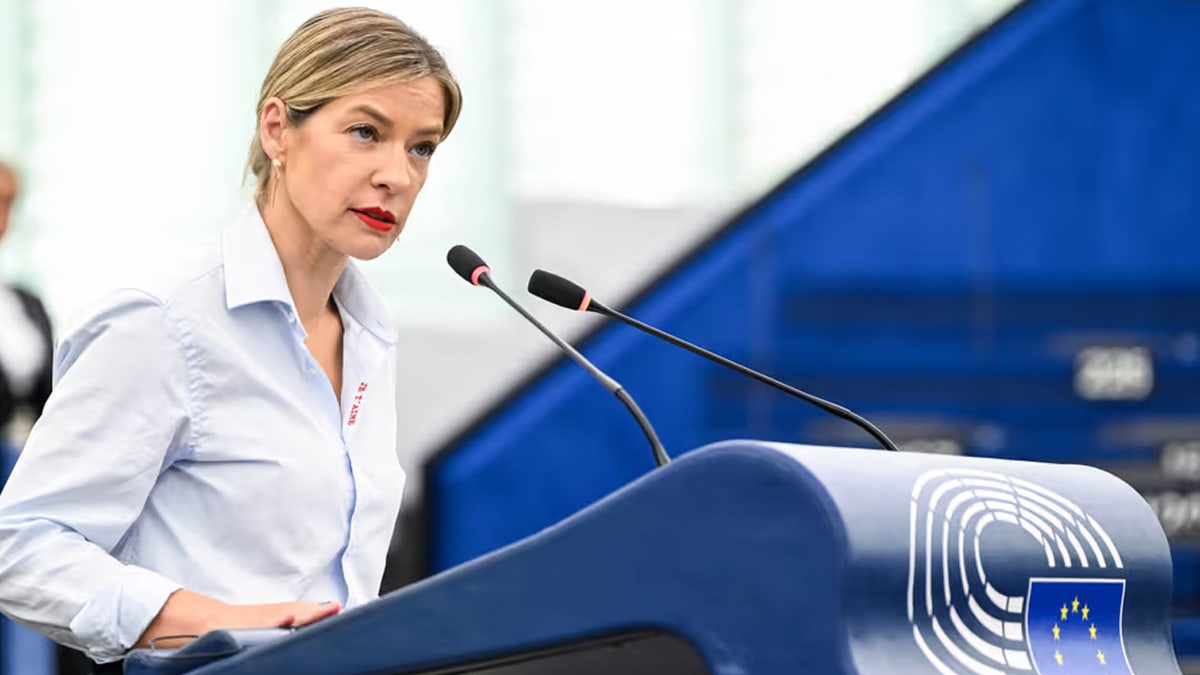
The European Parliament has taken decisive action against the Muslim Brotherhood, following similar measures by the Trump administration. A significant majority of the Parliament voted in favor of a resolution condemning the group’s actions. This marks a historic move for Europe in addressing radical Islam.
Céline Imart, a French member of the European Parliament, sponsored the resolution. She described the vote as a groundbreaking victory for Europe. Imart emphasized that this is the first time Europe has addressed Islamist entryism and the Muslim Brotherhood in this manner.
“We were able to transcend partisan divides on a major issue for our societies and our youth,” Imart stated on X.
Lorenzo Vidino, director of the extremism program at George Washington University, noted that France and Austria have been advocating for this for nearly a decade. He highlighted the growing consensus in Europe to take action against the group.
The resolution was spearheaded by the European People’s Party (EPP), the largest coalition in the Parliament. Vidino observed a political divide, with most right-leaning members supporting the resolution and many on the left opposing it, except for certain exceptions.
Imart thanked negotiators from various groups, except socialists and the far left, who boycotted the resolution.
Vidino mentioned that the Brotherhood is often seen through the lens of political debates. He believes this perception needs to change, as it poses a challenge to societal values.
Denmark’s left-wing Prime Minister raised concerns over growing threats from within as Europe responds to the challenge. The resolution addresses Islamist entryism, targeting democratic values, equality, and fundamental freedoms. It stresses the obligation to protect Muslim citizens from discrimination while warning against viewing organized Islamist networks as representatives.
The European Parliament emphasized maintaining Europe’s open and principled nature. It stated that networks undermining these values with European resources should no longer receive funding or legitimacy from the EU.
The resolution faced criticism from the European Network Against Racism (ENAR). It condemned the resolution as racist and Islamophobic, rejecting allegations linking it to the Muslim Brotherhood.
Edmund Fitton-Brown, senior fellow at the Foundation for Defense of Democracies, highlighted the resolution as the beginning of a pushback against Islamist entryism in Europe. He recognized the challenge in converting the resolution into binding legislation.
The former UK ambassador to Yemen warned against Europe’s tendency to see legal Islamism as a counter to violent extremism. He stressed that both are interconnected and pursue similar goals through different means.
Vidino drew comparisons between Europe and the U.S. approach to the Brotherhood. He noted that Europe’s view is more about entryism and subversion as threats to democracy. Many Brotherhood activities, if examined individually, might be legal.
Vidino pointed out that several European security agencies have been alert to the Brotherhood’s activities. The resolution sets a new tone, possibly legitimizing negative perceptions and warnings about the Brotherhood.
Despite skepticism regarding the resolution’s tangible impact, Vidino acknowledged the skill of Islamist groups in adapting to challenges. He highlighted their ability to use situations to their advantage, often by portraying themselves as victims of Islamophobia.
The resolution encourages further action from the European Council. It recommends assessing whether entities linked to the Brotherhood should be listed as terrorist organizations. It also suggests overseeing EU fund allocations to entities with possible connections to the Brotherhood or political Islam.
The Parliament welcomed national and EU-level initiatives to list hate preachers and scrutinize foreign funding, particularly from Qatar or Turkey. Enhanced use of Schengen tools and EU databases was also recommended.
“This vote is a victory, but it is also a starting point,” Imart asserted. “The Commission and the Council must now take action, and I will make sure they do.”
Leave a Reply