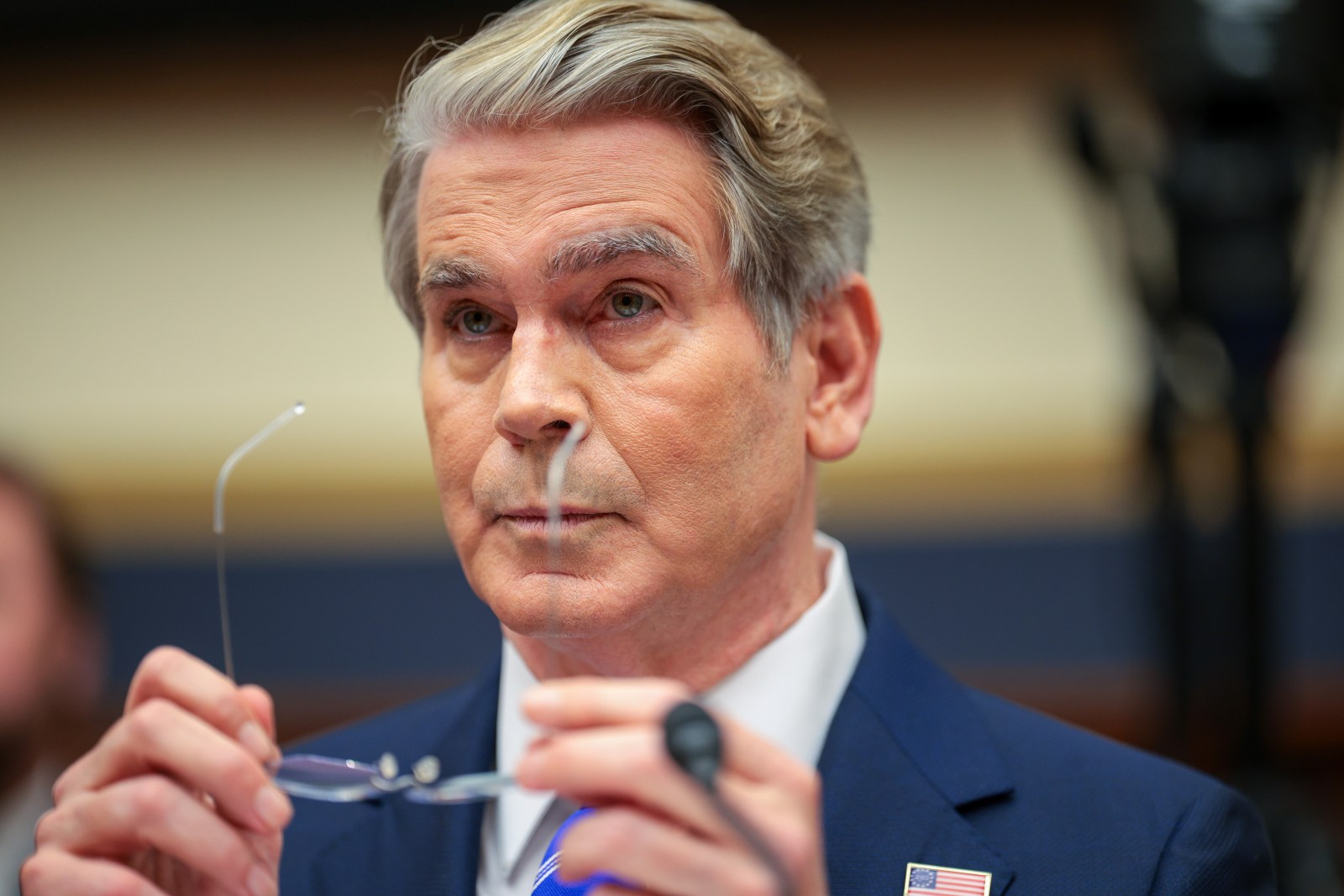
Treasury Secretary Scott Bessent warned Ukrainian President Volodymyr Zelensky after Zelensky claimed U.S. intelligence sharing with Ukraine had been disrupted during Russian missile attacks. This tense exchange occurred during separate interviews on NBC’s Meet the Press, amid growing discord between Zelensky and President Donald Trump’s administration regarding U.S. support for Ukraine.
Zelensky stated that U.S. intelligence sharing was “blocked for some period of time” but later restored. He expressed gratitude but noted the interruption left Ukraine without essential intelligence during Russian ballistic missile strikes. While Ukraine relied on European countries for intelligence, he emphasized the unique capabilities of U.S. intelligence in detecting Russian missile launches.
Bessent firmly refuted that the Trump administration was responsible for the disruption, deeming Zelensky’s accusations reckless. Despite this, he admitted ignorance about the cause of the interruption. Bessent advised Zelensky to be cautious with such unsubstantiated claims.
U.S. Intelligence Plays Critical Role in Ukraine
The disagreement underscores the critical role of U.S. intelligence in Ukraine’s defense strategy. Ukraine depends significantly on U.S. intelligence to preempt Russian missile threats. Although European allies provide some support, U.S. capabilities are particularly vital for detecting missile launches.
Reports of disrupted intelligence sharing had surfaced before the interviews. Ukrainian officials reported lacking advance warnings for missile attacks earlier in the week. The New York Times speculated that the S-400 missiles used might leave limited time for alerts. The Wall Street Journal noted that Zelensky found out about missile strikes on Kyiv without the regular U.S. warnings. U.S. officials denied any threat of suspending intelligence cooperation due to Ukrainian actions against Russian refineries.
Bessent denied the Trump administration’s involvement in the interruption, reiterating that he was unaware of the specifics. This dispute adds complexity to U.S.-Ukraine relations during ongoing geopolitical tensions.
Bessent and Zelensky Discuss U.S.-Ukraine Alliance
Welker pressed Bessent about whether the U.S. considers Ukraine an ally. Bessent emphasized the continued support provided to Ukraine, hinting at an alliance. When pressed for clarity, he refrained from a definitive answer, stating he was neither the Secretary of State nor the President.
In response to questions about Trump as an ally, Zelensky expressed cautious hope, emphasizing trust in bipartisan American support while urging Trump to reconsider specific decisions. Zelensky stressed his commitment to transparent communications, particularly when U.S. actions appear to favor Russian interests.
Starlink Limitations Add to Dispute
Zelensky also claimed that a U.S. government decision led to speed restrictions on Starlink, affecting Ukraine’s military drone operations. He was uncertain which part of the administration was responsible but attributed the restrictions to a governmental directive. SpaceX executed these limitations, impacting Ukraine’s defense efforts. Zelensky urged the restoration of Starlink’s full capabilities.
Bessent denied the administration’s involvement in the Starlink issues, citing categorical denials from Trump and Secretary of State Rubio. This technological dispute adds another layer to the ongoing U.S.-Ukraine discussions.
Broader U.S.-Ukraine Tensions
The intelligence sharing controversy coincides with a broader downturn in relations between Trump and Zelensky, particularly regarding Russia, energy, and conflict resolution. Trump recently criticized Zelensky, describing him as tougher to deal with than Russian President Vladimir Putin. Zelensky defended himself, asserting his transparency and criticism of U.S. decisions that seem to support Russia.
Further complicating matters, Trump eased economic pressures on Moscow by enabling increased Russian diesel exports. Bessent defended this policy as a strategic move to stabilize fuel prices globally, despite concerns over its implications for U.S.-Ukraine relations.
Leave a Reply