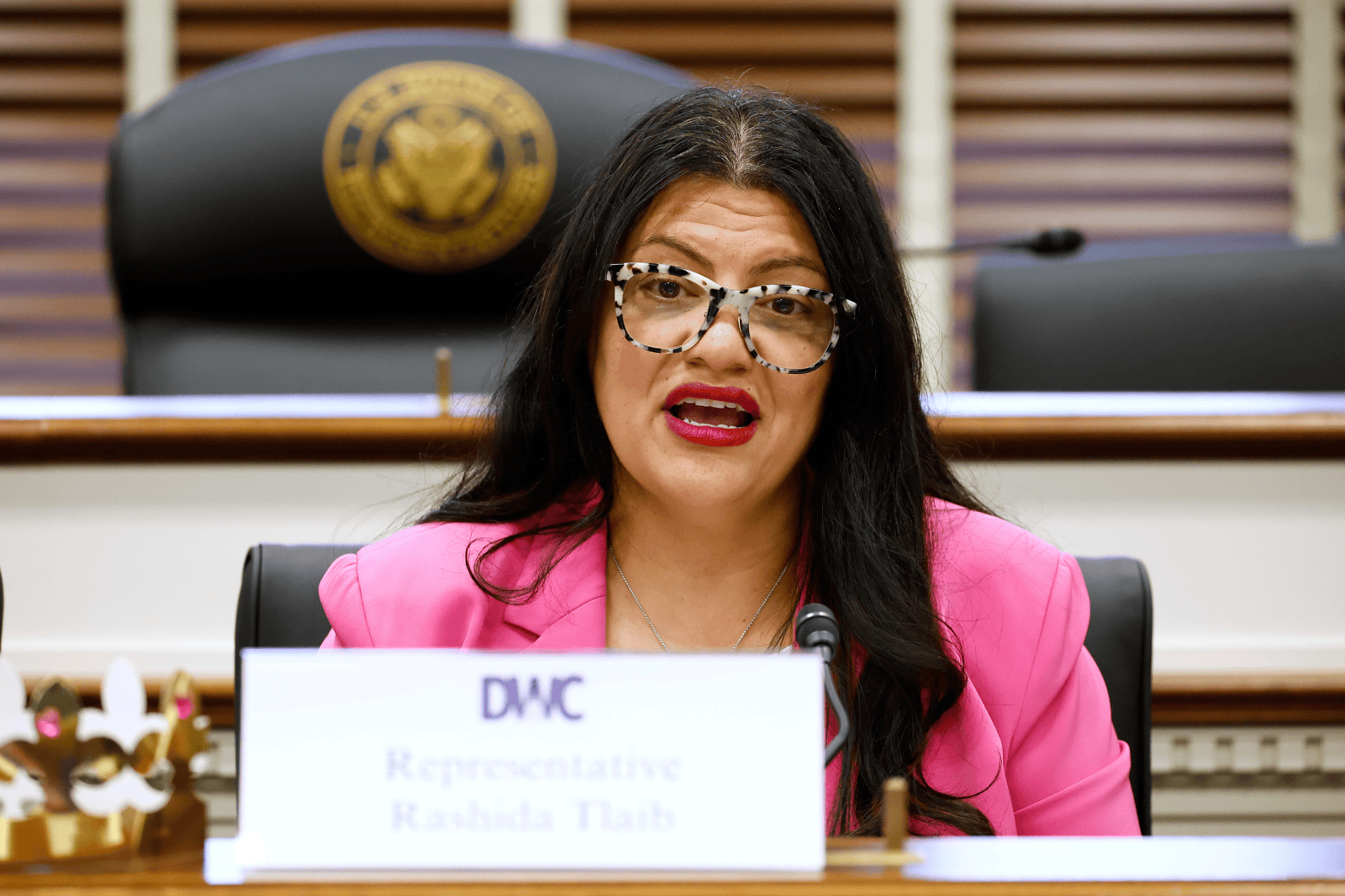
Representative Rashida Tlaib, a Democrat from Michigan, has proposed legislation to prohibit federal funding for automated mass surveillance systems. The bill, named the Get the Flock Out of Our Communities Act, includes automatic license plate readers, biometric surveillance, and facial recognition technology in its scope. The proposed measure calls for the removal of systems purchased with federal funds within 30 days and requires specific surveillance data to be deleted permanently within seven days.
This legislative effort comes amid mounting concerns over Flock Safety and similar systems related to privacy issues, data sharing, and potential misuse. Proponents, however, argue that such technology is vital for law enforcement.
The debate here is about balance – effective investigation without infringing on personal privacy.
Details of Tlaib’s Bill
Tlaib introduced the bill alongside several other representatives, including Sylvia Garcia, Summer Lee, Ilhan Omar, Delia Ramirez, Nydia Velázquez, and Bonnie Watson Coleman. It now sits with the House committees on Oversight and Government Reform and the Judiciary.
The legislation targets “automated mass surveillance systems” broadly, covering any system that processes and stores data on large populations. The bill explicitly covers automatic license plate readers, biometric surveillance, and facial recognition technologies. It mandates prohibiting federal agencies and officials from purchasing, possessing, or using these technologies.
At a press conference, Tlaib expressed concern about the implications for free speech and privacy.
This technology, once in place, stays regardless of changes in leadership. That potential for misuse is why we must limit its funding.
Impact on Existing Surveillance Systems
The legislation would require existing systems procured with federal money to be removed within 30 days of the bill’s enactment. Data derived from these systems must be deleted within seven days if prohibited by the bill. Such data cannot be used in court or administrative proceedings.
The bill also applies financial leverage: applicants for Byrne and COPS grants must verify that they do not use mass-surveillance technology. Byrne grants, offered by the Department of Justice, strengthen criminal justice systems with an emphasis on tackling serious offences. COPS grants aim to bolster community policing efforts.
Controversy Surrounding Flock Cameras
Flock Safety’s automated license plate readers document and store data about vehicle movements, aiding in vehicle theft recovery and crime investigations. While effective, concerns have surfaced around data use and potential misuse. Reports have emerged of misuse by law enforcement officers, prompting some areas to cease using these cameras.
In response, Flock Safety adjusted policy safeguards. CEO Garrett Langley announced that abnormal searches would be flagged, and data retention default periods were shortened from 30 to seven days.
Safeguarding privacy while leveraging technology for public safety is essential.
Related Legislation in Congress
Tlaib’s proposal is one among several legislative attempts in Congress that address the use of automated license plate readers. Representative Thomas Massie from Kentucky presented the Flock-Off Act in early September, while Representative Greg Steube from Florida introduced the FLAFO Act, both focusing on restricting federal funds for surveillance systems. Alexandria Ocasio-Cortez of New York introduced the Ban Flock Act, targeting federal usage without explicit authorization.
The diversity in these proposals reflects a bipartisan consensus on the need to regulate surveillance technology, although there is variation in the specifics of each approach.
The Path Ahead
The Get the Flock Out of Our Communities Act remains in the introduction phase. It requires progression through Congress and presidential approval to become law.
Leave a Reply