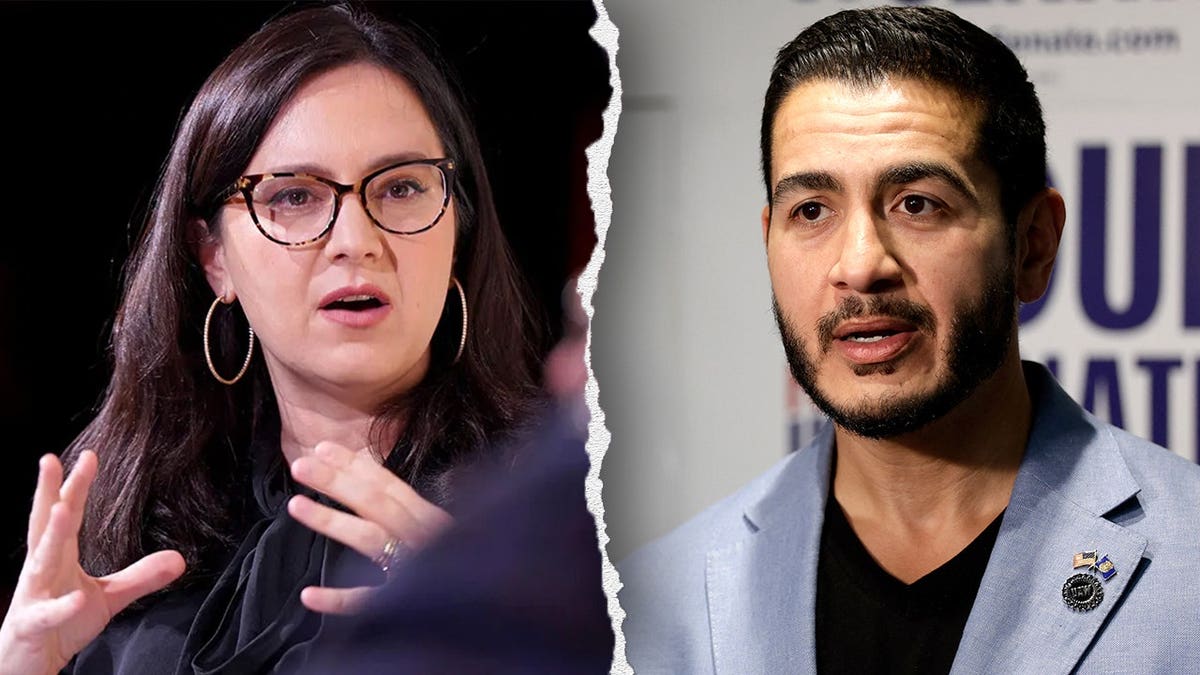
CBS News editor-in-chief Bari Weiss is under scrutiny for instructing her team to investigate potential connections between Abdul El-Sayed, a Democratic Michigan Senate candidate, and the Muslim Brotherhood.
A report by Semafor highlighted that Weiss encouraged CBS journalists to pursue stories related to El-Sayed’s supposed sympathy towards the group. This directive allegedly caused dissatisfaction among some CBS staff, as reported by two unnamed employees. It’s a common occurrence for anonymous staff to voice discontent in the media.
While Weiss’s defenders argue that her critics simply resent being asked to do their job, some progressives have harshly criticized her approach.
Tim Graham, executive editor of NewsBusters, believes that the anonymous complaints reflect a bias against Weiss, who, according to him, challenges the usual narrative. Graham commented, “She’s making them do difficult things. Can we investigate if Abdul El-Sayed has ties to the Muslim Brotherhood, as his family suggests?”
Critics on the left have not held back either. Mehdi Hasan, a former MSNBC host, reacted sharply on social media, questioning Weiss’s qualifications. Jeet Heer and Shaun King echoed similar sentiments, expressing a lack of trust in CBS News.
Reports about El-Sayed’s family surfaced last week, fueled by old social media posts from his half-sister, Eman Abdelhadi. Her posts suggested familial ties to the Islamist group, despite El-Sayed’s denial. One 2012 post mentioned her mother’s activism with the group during college years in Egypt.
Abdelhadi’s statements align with historical records from the Brookings Institution, indicating significant group activity at Alexandria University during the 1970s.
Despite these claims, El-Sayed has firmly denied any family involvement. He defended himself in an exchange with NBC’s Tom Llamas, emphasizing his American upbringing and career. “I was born here, went to the University of Michigan, led the health department — but you ask about Egypt in the 70s?”
El-Sayed also criticized the questioning as based on “hearsay evidence from a tweet.”
When Llamas pressed him about honesty, El-Sayed reiterated, “I have no ties, we have no ties.”
In a separate interview on MS NOW, El-Sayed compared the scrutiny to questions John F. Kennedy faced regarding his Catholic faith in 1960.
This situation raises broader questions about journalistic practices and political biases within media institutions, as critics and supporters of Weiss continue to debate her approach.
Leave a Reply