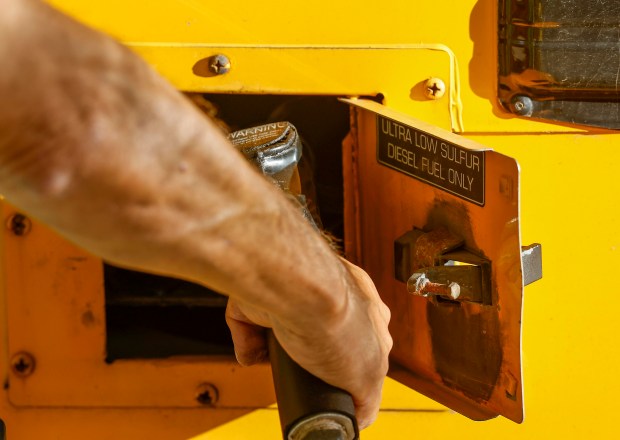
Suburban school districts are experiencing significant setbacks due to record-high diesel prices this fall, with those operating their own bus fleets being particularly affected. The increase in diesel prices stems from global supply issues linked to conflicts in Iran and Ukraine, as well as a power outage at the ExxonMobil refinery in Joliet. In Illinois, diesel prices topped at $6.83 per gallon on September 23, according to AAA. As of Thursday, the price per gallon fell to $6.58.
Impact on Naperville Unit District 203
The Naperville Unit District 203, which operates a fleet of over 120 diesel-fueled school buses for approximately 16,000 students, is feeling the financial strain. Lisa Xagas, the District’s assistant superintendent of strategy and engagement, predicts a $300,000 increase in fuel costs for the 2026-27 school year if diesel prices remain high. Optimized bus routes have saved an estimated 900 miles per day, lessening the impact of rising fuel prices.
Naperville 203 allocated $15.6 million to transportation in its 2026-27 budget, around 4.2% of its total budget exceeding $370 million. Despite having reserve funds to cover immediate costs, a budget deficit of $3.9 million due to declining enrollment remains a concern. Tough decisions await during the 2027-28 budget process if diesel prices stay elevated.
Elgin Area School District U-46 Analysis
Elgin Area School District U-46, servicing over 33,000 students with a fleet of 331 diesel buses, is also assessing the situation. A budget of $2.6 million is set for fuel expenses in the 2027 fiscal year; however, the district has yet to estimate the specific impact of high diesel prices. Director of transportation Marcy Murphy is exploring options like electric and natural-gas buses.
Shift to Alternative Fuels
Palatine-Schaumburg Township High School District 211 transitioned to propane before the 2018-19 school year. The shift from diesel to propane has allowed the district to pay between $1.15 to $1.40 per gallon, offering over $5 savings per gallon compared to diesel. The district considered electric buses but chose propane due to lower upfront and maintenance costs, as well as better reliability in cold weather.
The cost of a new propane bus was estimated between $110,000 and $115,000, according to a 2019 market study from Atlas Public Policy—significantly less than the $300,000 to $440,000 required for a new electric bus.
Environmental and Financial Considerations
Susan Mudd from the Environmental Law & Policy Center advocates for a switch to electric buses to promote environmental benefits. Despite higher initial costs, long-term savings could bridge the gap, especially with government-supported energy transition programs. The EPA’s Clean School Bus Program has awarded $2.6 billion to facilitate school districts in adopting lower-emission buses since 2021.
Naperville 203 faces additional pressure due to insufficient state funding. While state law mandates reimbursement of 80% of fuel expenses, Naperville 203 received $2.3 million less in the 2026 fiscal year and over $8.4 million less total over the past five years than required. The district advocates for increased state funding, although formal progress is lacking.
Diesel Price Prediction
Patrick De Haan from GasBuddy forecasts a minor drop in diesel prices as operations resume at the Joliet ExxonMobil plant. Prices have decreased by more than 25 cents per gallon since September 23. Future relief remains uncertain, hinging on the nature of geopolitical tensions.
Leave a Reply