Bad Bunny’s halftime performance in February saw the largest drop in Super Bowl viewership during a halftime show in history. On NBC and Telemundo, the audience fell from 135.9 million at the end of the second quarter to 128.2 million during the performance from 8:15 to 8:29 p.m.
This represents a 5.7% decline, compared to a 4% drop the previous year during Kendrick Lamar’s performance. Traditionally, Super Bowl audiences have grown during halftime shows.
Jay Z, empowered by the NFL as the halftime show czar since 2019, has now chosen himself to perform this year in Los Angeles. Jay Z, a major figure in hip-hop during the 2000s, maintains relevance through collaborations with artists like Kanye West and Rihanna. While more American viewers might recognize Jay Z compared to Lamar or Bad Bunny, recognition does not guarantee interest.
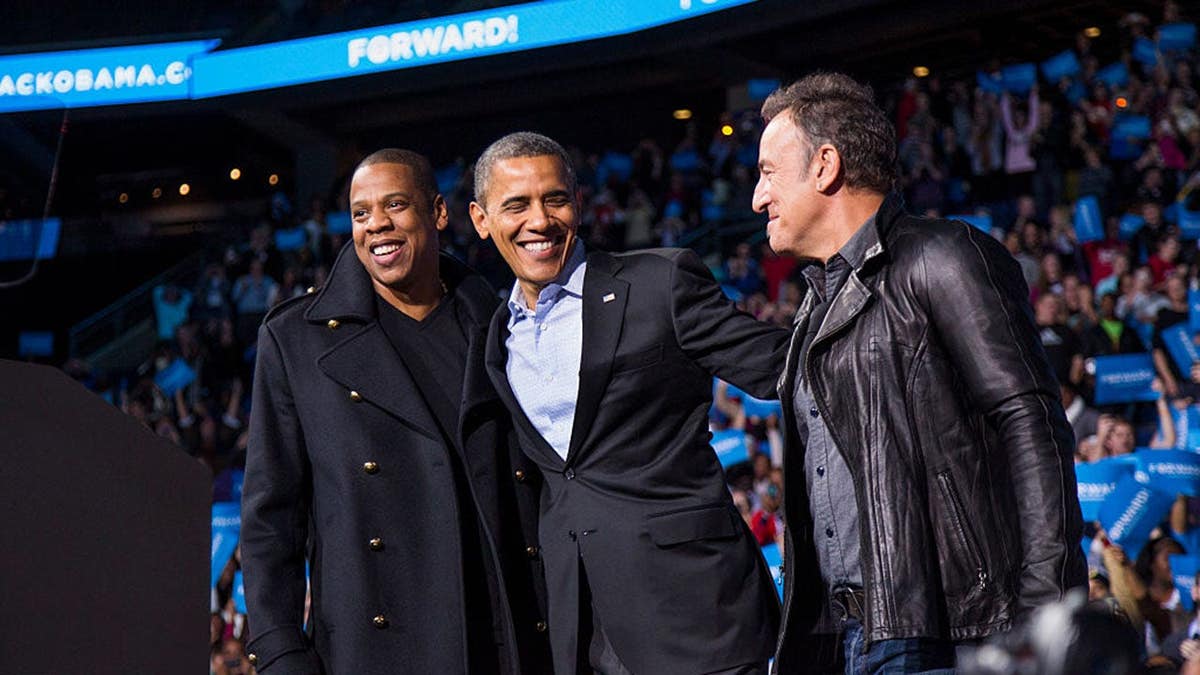
Lamar and Bad Bunny’s performances divided fans politically during a time when partisan activism affects mainstream events like the Super Bowl. Jay Z’s political involvement is extensive. He distributed “I Can’t Breathe” T-shirts to protest Eric Garner’s death, headlined a concert for Hillary Clinton, and supported Barack Obama. His song “My President” celebrates Obama’s election.
Jay Z has often criticized Republicans, particularly Donald Trump, referring to him as “a joke” and “not a very sophisticated man.” He has also linked Trump’s rise to racism.
Despite Jay Z now performing at this prominent event, the NFL can assert that an artist’s politics matter only if expressed during the show. Viewers, however, may not separate the artist from the show.
Bad Bunny’s performance was politically neutral, yet his public image as anti-Trump affected viewership, with a significant audience tuning out. A poll last year indicated it took nearly a decade for the NFL to regain popularity among Republican consumers after the 2016 anthem protests.
The lesson is clear: alienating a large segment of the audience isn’t good for business.
The past two halftime shows coincided with unusual drops in audience. Expectations for change are low, especially with alternatives like Turning Point USA’s halftime show attracting those opposed to the NFL’s choices.
The NFL cannot claim powerlessness in selecting halftime performers, even with Jay Z’s oversight. The league partnered with his Roc Nation to guide live music and engage with the Inspire Change initiative in 2019 amidst lingering political tensions from the Kaepernick saga.
Results show the past two years saw declining halftime viewership, with significant audience loss not recuperated in the third quarters. Overall Super Bowl viewership dropped from 127.7 million in 2025 to 124.9 million in 2026, despite Nielsen’s system change.
The NFL shouldn’t overcorrect by selecting a conservative artist; instead, it needs an entertainer with broad appeal who keeps viewers engaged, avoiding political distractions.
If Jay Z’s current choice is himself, the NFL may need to reconsider the decision-making process to better sustain audience interest.
Leave a Reply