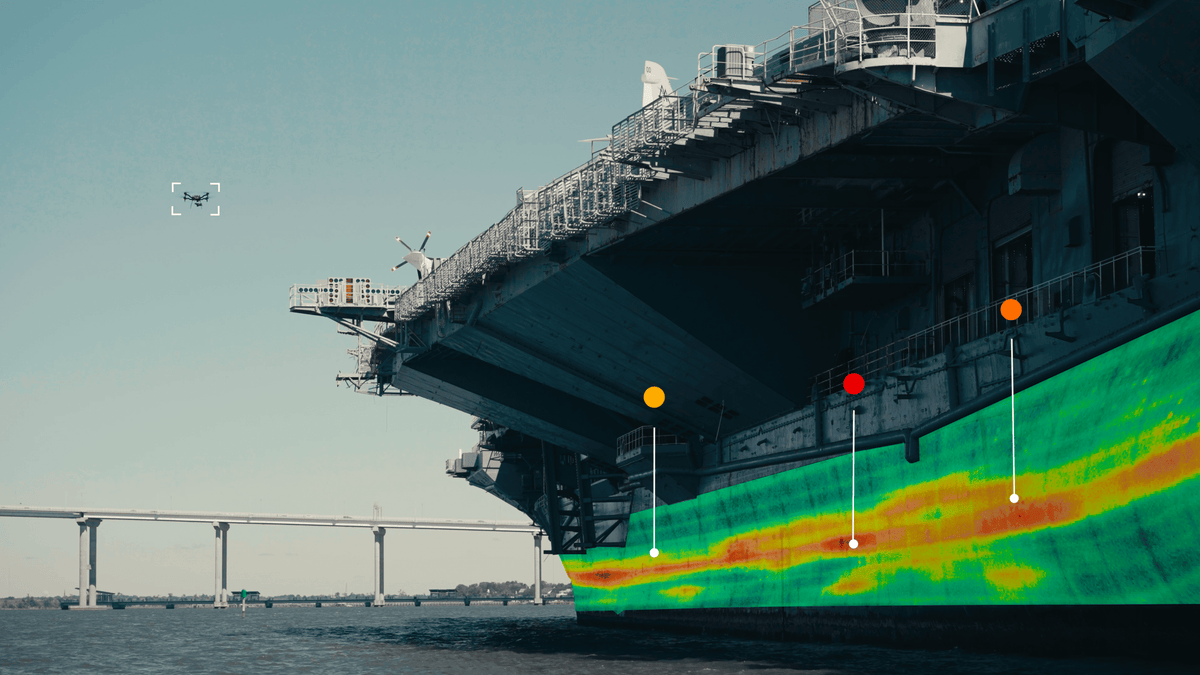
The U.S. Navy has significantly raised the ceiling on its contract with Gecko Robotics, expanding the agreement to $300 million. This deal focuses on using AI-powered robots to inspect warships. This development comes after only six months of initially integrating the technology to speed up ship maintenance and readiness.
The initial contract was set at $71 million, but the Navy is aiming to bolster its fleet readiness in the face of China’s growing shipbuilding capabilities. Gecko Robotics CEO Jake Loosararian expressed confidence in the U.S. Navy’s ability to maintain and operate vessels more effectively than China through smart technology use.
Gecko’s technology promises substantial savings, potentially reducing repair costs by up to $8 million on a single ship. The robotic inspections can identify structural issues with a speed advantage, reportedly up to 50 times faster than traditional methods.
Advanced Inspection Techniques
The company is developing a new robot, named Komodo, specifically for the Navy. This machine can inspect the steel beneath thick coatings on warship decks without stripping them first. Loosararian compares it to a CAT scan, offering a detailed view of a ship’s condition without invasive procedures.
Traditionally, assessing such conditions involves removing deck coatings to understand underlying issues. With Komodo, maintenance teams can identify necessary repairs before more intense work is undertaken.
You reduce and focus the kinds of repairs that you need. You’re repairing less.
For example, an initial repair estimate of 1,200 square feet was reduced to about 300 square feet once the robot provided a precise assessment of the damage.
Technology Integration and Goals
The Navy’s decision to increase the ceiling on the contract underlines its commitment to improving fleet readiness. This comes as part of broader efforts to help the U.S. Navy deploy more ships, even as construction rates lag behind China’s. Gecko’s wall-climbing robots play a key role by inspecting hard-to-reach areas, mapping out corrosion and structural issues efficiently.
The collected data integrates with Gecko’s AI-driven Cantilever platform, enabling maintenance planners to understand where repairs should be prioritized. This process aims to preemptively identify problems, preventing unexpected discoveries during major maintenance operations.
Long-term Objectives
Beyond identifying existing damage, the ultimate goal is using accumulated inspection data to predict potential issues. This predictive capability would allow for timely preparation of repair logistics before a ship requires major maintenance.
Gecko’s technology also aims to lighten the workload of shipyard workers, offering relief amid labor shortages. By reducing dangerous and intensive inspection tasks, the focus can shift more towards actual repairs.
As national priorities emphasize keeping American naval forces operational, these advancements in technology-driven maintenance offer a strategic advantage. Loosararian emphasized the importance of smart maintenance practices, suggesting they are critical for U.S. readiness against rapidly expanding fleets like China’s.
Leave a Reply