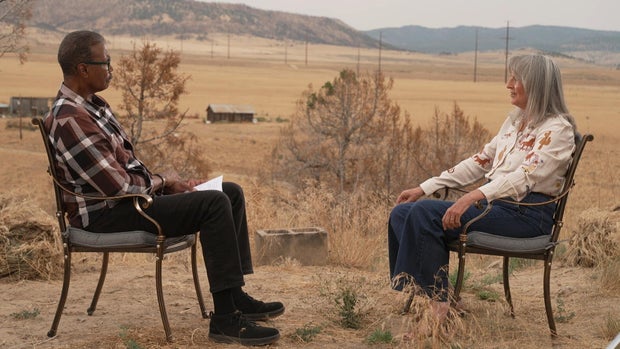
As the midterm elections approached, President Trump relentlessly discussed voter fraud. He took unprecedented actions for an election official, Tina Peters, convicted of compromising the voting system she was meant to protect. Peters had supported Trump’s unproven claims that faulty voting machines cost him the 2020 election, leading to her conviction by a Colorado jury and a nine-year sentence. Trump’s efforts to free Peters, critics argue, demonstrate the lengths he would go to push his agenda.
Colorado faced significant challenges following these events. In August 2025, a devastating wildfire scorched nearly 138,000 acres, severely affecting Kathleen Kelly’s ranch, which her father had established in 1949. The fire resulted in immense losses, turning her property into a wasteland.
It’s like watching a monster crawl across the earth.
Governor Jared Polis highlighted the wildfire’s broad impact, including the destruction of vital infrastructure and homes. Despite meeting the qualifications for federal disaster assistance, Trump’s administration denied Colorado’s request for aid. Critics link this denial to Trump’s focus on Peters, who advocated his baseless claims about tampered voting machines.
Colorado’s attorney general, Phil Weiser, condemned Trump’s retaliatory approach, asserting that the president wanted to punish Colorado for Peters’ sentencing. Trump’s administration also considered withholding other state benefits like food aid and transportation funding.
Weiser emphasized that blatant threats were issued, prompting legal action against the president for overstepping his authority. President Trump advocated for Peters, labeling her a hostage and a patriot despite her breach of integrity.
Peters had allowed an election conspiracy theorist access to secure equipment, sharing proprietary software and compromising the integrity of Colorado’s elections. Her actions eroded confidence and left election workers vulnerable.
In court, Peters was charged with various offenses, emphasizing her misconduct. Despite her actions, Trump showed support, calling her a victim of political prosecution. Governor Polis, acknowledging the jury’s decision, initially agreed with a shorter sentence but later commuted her imprisonment to less than two years.
Governor Polis faced backlash from Colorado’s election community for reducing Peters’ sentence, which was seen as capitulation to Trump’s influence. However, he maintained that Peters’ circumstances justified a commutation beyond the ongoing legal process.
Upon release, Peters resumed her role in promoting election fraud claims, despite lacking evidence to support her position. This continued involvement with election denial events reflects her persistence in disputing voting machine reliability. Despite legal reviews and recount procedures affirming election results, Peters remains steadfast in her views.
Authorities dismissed Peters’ claims, clarifying that system updates were routine and did not erase essential election records. Colorado ultimately received delayed federal funding, with $47 million for water projects and approval for wildfire aid.
Leave a Reply