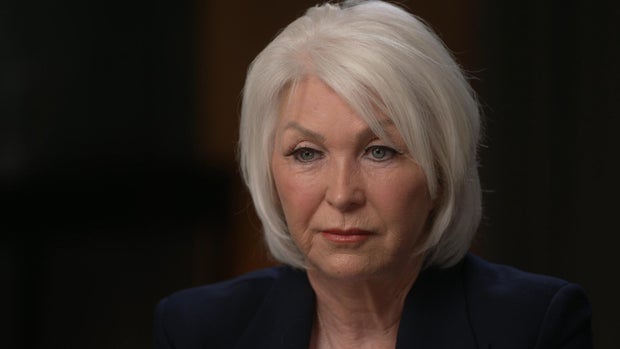
Amidst devastating wildfires in Colorado, former President Trump focused attention on Tina Peters, a prominent election official. Peters, known for supporting Trump’s baseless allegations of voter fraud in the 2020 election, was sentenced to nearly nine years in prison. Trump advocated for her release by urging Colorado Governor Jared Polis to act.
Controversy and Legal Actions
Critics argue that Trump’s actions in support of Peters illuminate the lengths he might go to further his agenda and retaliate against opponents. Colorado Attorney General Phil Weiser’s office filed a lawsuit alleging that Trump’s actions undermined state sovereignty. “The president doesn’t get to dictate our decisions,” Weiser stated.
Peters’ Crimes
Jena Griswold, Colorado’s Secretary of State, accused Peters of allowing unauthorized access to voting equipment, leading to security breaches. Peters ordered video surveillance cameras to be shut down and shared protected data with election deniers, as Griswold discovered when the information appeared at a conference.
Peters faced ten criminal counts, resulting in conviction on misdemeanors and felonies. She received nearly nine years in prison. Judge Matthew Barrett found her unrepentant and noted misuse of her position.
Backlash and Alleged Retaliation
Weiser accused the Trump administration of retaliatory measures against Colorado, citing withheld federal aid during wildfires. Despite claims of no politicization, aid decisions followed harsh public statements by Trump. Threats included withholding food aid, canceling transportation funding, and the potential dismantling of a research center.
Pardon and Commutation
Trump issued a pardon for Peters, ineffective due to state charges. Nonetheless, Governor Polis commuted Peters’ sentence in May after less than two years served. While Polis explained his decision related to the severity of the sentence for a nonviolent offender, critics alleged it aligned with pro-Trump sentiment.
Colorado clerks’ association expressed anger, viewing it as betrayal. Polis emphasized independence from Trump’s influence and cited a desire to oversee fair justice.
Peters’ Continued Advocacy
After her release, Peters resumed her role in the election denial community, appearing at events and on platforms supportive of conspiracy theories. Despite extensive investigations confirming election integrity, Peters maintained her stance against voting machines, asserting continued distrust.
Investigations concluded no evidence of fraud altering the election outcomes was found. Peters’ claim of ‘wiped records’ refers to standard system updates, with all lawful records retained, asserted Crane.
Though Peters has not explicitly stated intentions to seek office, her rhetoric reinforces commitments to her beliefs, influenced by faith and nationalism.
Impact and Recovery
Federal funding delays in Colorado have since been resolved, with millions allocated to water projects and wildfire aid approved. However, Griswold and Crane express concerns over resultant voter skepticism and threats to election personnel.
They argue that Peters’ conduct, coupled with Trump’s endorsement, undermines electoral trust, posing risks through amplified misinformation and disinformation.
Leave a Reply