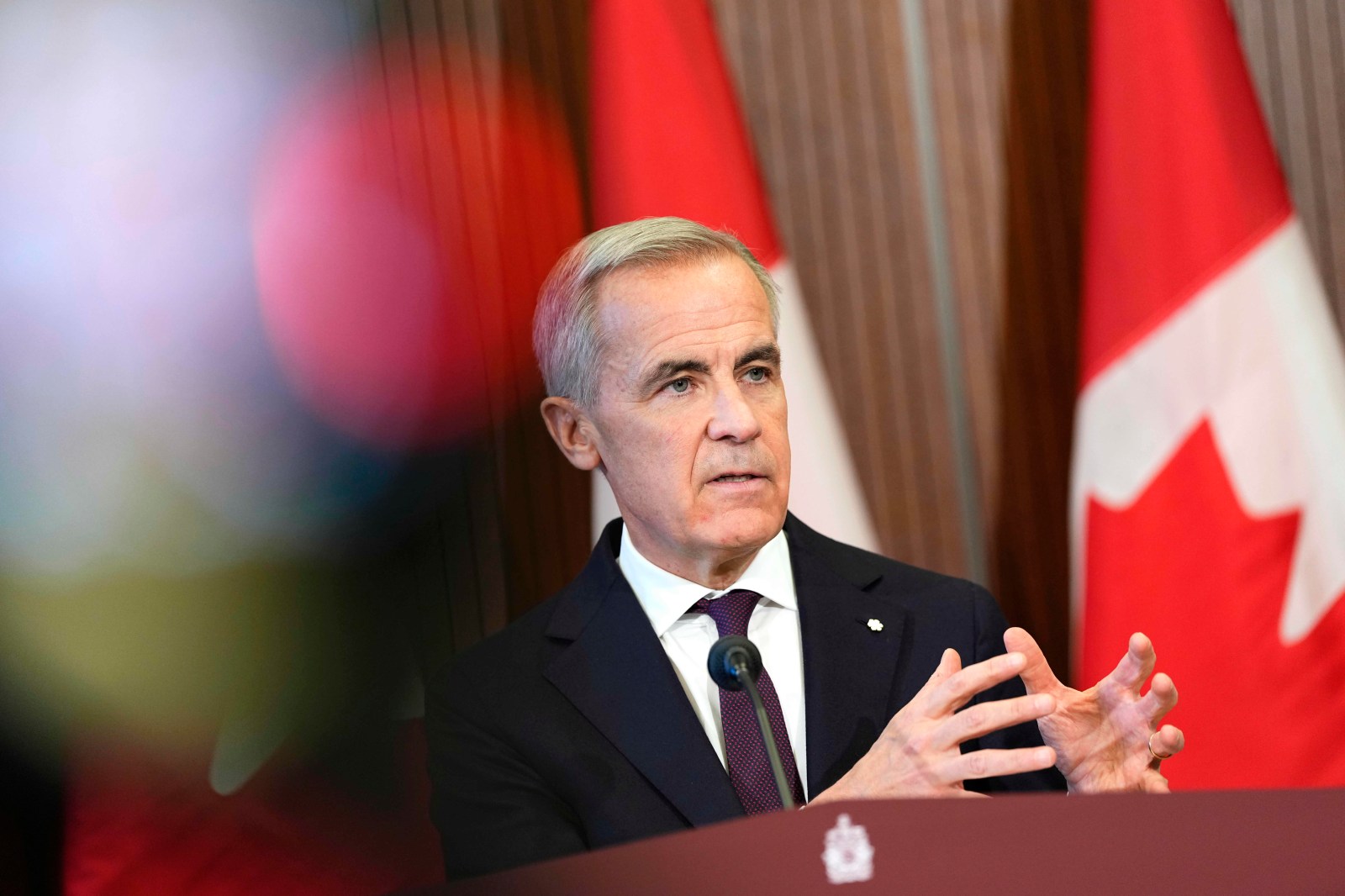
British Columbia has experienced a significant political shift with the election of a Conservative government for the first time in 98 years. This landslide victory is seen as a potential indicator for Canadian Prime Minister Mark Carney. The left-leaning New Democratic Party (NDP) was defeated in a critical federal battleground after nine years of governance. Premier David Eby had called a snap election two years ahead of schedule.
With early Sunday results, Lorne Doerkson’s Conservatives led in 64 of the province’s 93 electoral districts, well above the 47 required for a majority. This outcome poses challenges for Carney’s government and its center-left Liberal Party, which faces a national election in 2029.
The victory comes amidst a trade conflict with the United States, led by President Donald Trump. Trump shared news of the triumph on his platform, Truth Social. In response, Carney issued a statement on X, congratulating Doerkson and expressing eagerness to collaborate on housing, energy, and national strengthening.
Doerkson’s campaign focused on affordability, tax reductions, and energy expansion. He described the win as a sign of British Columbians opting for a “new direction.” Despite requests for comments from Eby and Doerkson, Newsweek reached out after regular business hours.
British Columbia’s Snap Election
Eby initiated the election on September 22, arguing for a stronger NDP presence to counter Trump’s tariffs on Canada. His decision followed a narrow 2024 victory, where the NDP secured 47 out of 93 seats. During this period, the Conservatives faced internal turmoil, including the resignation of leader Kerry-Lynne Findlay. A wave of defections and expulsions further complicated their position.
Interim leader Doerkson managed to consolidate conservative forces, convincing former legislators to rejoin. After acknowledging the election defeat, Eby resigned as NDP leader, taking responsibility for the result. In a post on X, Eby described his premiership as “the honour of a lifetime,” while congratulating Doerkson.
Expressing gratitude on X, Doerkson said: “Tonight, British Columbians chose a new direction. We’re doing this for our sons and daughters. For the future they deserve and the province we owe them. Thank you, British Columbia, I won’t let you down.”
Impact on National Politics
The Conservative victory in British Columbia could signal a wider national trend, potentially affecting Carney’s hold on power. His party currently holds 20 of British Columbia’s 43 seats in the House of Commons, in close competition with the federal Conservatives’ 19 seats.
Eby’s campaign prominently featured the threat posed by Trump. This strategy aligns with Carney’s national messaging. However, the effectiveness of this approach remains uncertain, as provincial and federal voting patterns differ significantly.
A recent Leger poll involving 1,525 participants reported 48 percent support for the Liberals, compared to 33 percent for the Conservatives and 8 percent for the NDP. The poll’s margin of error was estimated at +/-2.5 percentage points.
Editors Matthew Robinson and Trevor Davies at Newsweek are available for further inquiries into this developing story.
Leave a Reply