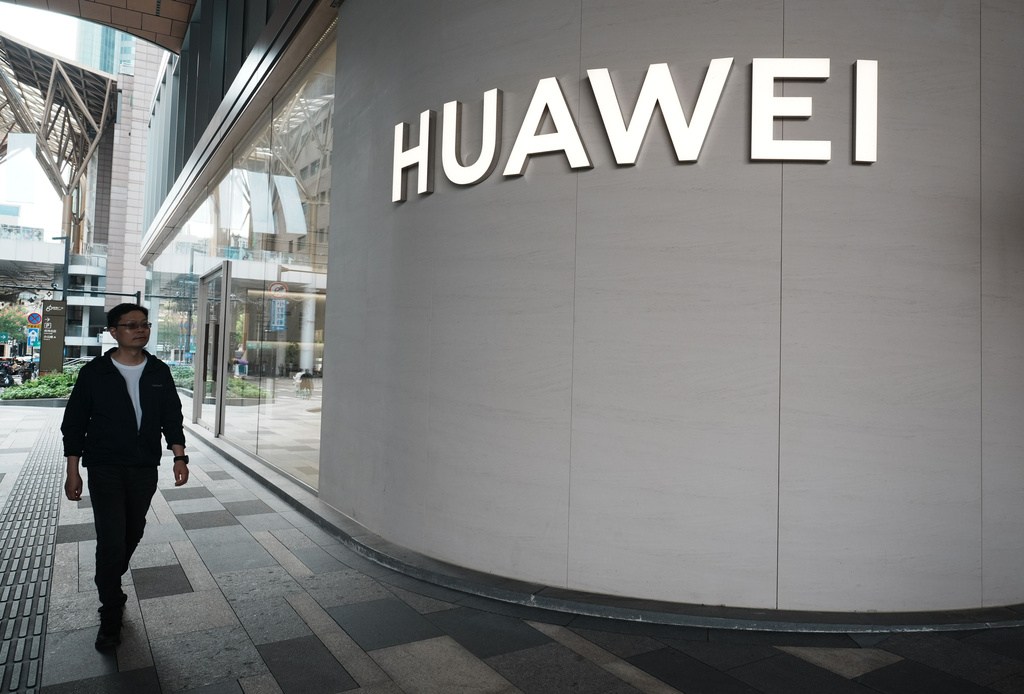
A U.S. jury found Chinese technology company Huawei guilty of conspiring to steal trade secrets and deceiving banks regarding its business dealings in Iran. This decision marks a significant victory for U.S. federal prosecutors. The jury in Brooklyn convicted Huawei Technologies and three affiliates on 10 of the 12 criminal counts they faced following a trial extending over two months. The charges included bank fraud, wire fraud, sanctions violations, and conspiracy to steal trade secrets. However, jurors cleared Huawei of racketeering conspiracy, dismissing the allegation that it operated as a criminal enterprise. The company was also acquitted of obstruction of justice.
This verdict arrives at a critical juncture for Huawei, a company Washington has strived to restrict for years. Despite U.S. measures limiting Huawei’s access to American technology, it has advanced into chipmaking and become a significant contender in China’s artificial intelligence development, providing an alternative to Nvidia products.
Key Convictions
The government’s case focused on claims that Huawei systematically acquired technology from competitors, while deceiving banks and U.S. officials about activities in countries under American sanctions. Prosecutors pointed to several instances of technology theft. Claims included Huawei selling routers with source code copied from Cisco Systems and an incident where an employee removed a component of a T-Mobile testing robot for photographing and measuring. Companies named as victims in court records included Motorola Solutions, Quintel USA, and Fujitsu.
The tone was set at the top by Huawei leaders and executives who themselves engaged in criminal conduct, like lying to Congress, lying to banks, violating U.S. sanctions and trying to interfere with the very criminal investigation that led to this case,prosecutor Meredith Arfa noted during closing arguments.
Huawei disputed the government’s characterization of their actions. Attorney Brian Heberlig affirmed the company plans to appeal the convictions, suggesting the acquittal on racketeering lessens the government’s overall case.
The prosecution garnered international attention in 2018 when Meng Wanzhou, Huawei’s chief financial officer and daughter of the founder, was detained in Canada on a U.S. warrant. Accused of misleading HSBC about Huawei’s dealings in Iran, Meng returned to China in 2021 after a deferred prosecution agreement and the charges were subsequently dropped.
Huawei’s Continued Global Influence
In 2019, the U.S. placed Huawei on a trade blacklist, restricting its access to American technology over ongoing national security worries. Yet this action has not removed Huawei from the global tech stage. Huawei persists in selling smartphones and telecom equipment around the world, moving further into semiconductors and AI infrastructure. Its strides in chipmaking make it a key alternative to companies like Nvidia in China.
This competition gains importance amidst internal turmoil at Nvidia, a dominant player in the AI chip market. Jensen Huang, Nvidia’s co-founder and CEO, resigned after reports of personal misconduct. Despite allegations linking a businesswoman to Chinese intelligence, Nvidia’s board reinstated Huang, concluding no national security threat existed. This move was publicly supported by President Donald Trump. The reinstatement significantly impacted the market, causing a 31.5% surge in Nvidia shares.
AI Competition Intensifies
The disturbance at Nvidia coincides with U.S.-China tensions over advanced chip access, critical for AI advancements. While the U.S. restricts advanced AI processor exports to China, Huawei plays an increasingly central role in China’s efforts to create domestic alternatives. The U.S. pursuing Huawei for alleged theft of American technology underscores its status as a pivotal player in reducing China’s reliance on American suppliers.
The potential financial repercussions of Huawei’s conviction could be significant, possibly resulting in billions of dollars in penalties. Despite these challenges, the impact on Huawei’s global business, largely excluded from U.S. telecommunications, remains uncertain.
Leave a Reply