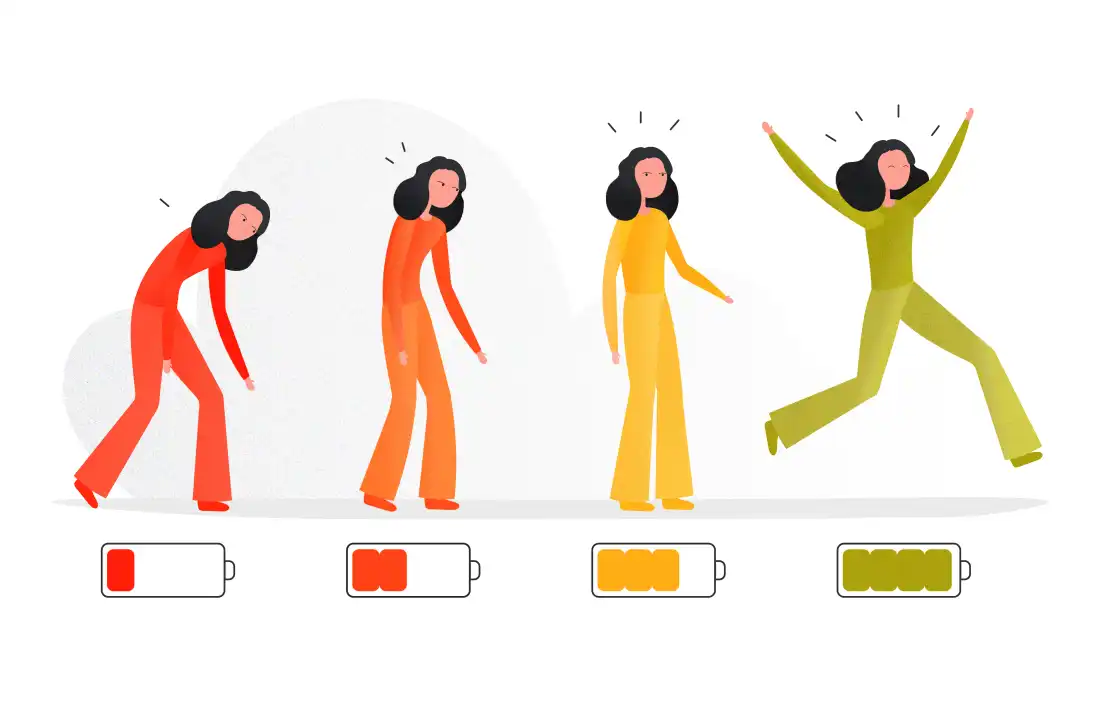
Some individuals with clinical depression struggle to get out of bed. Others, however, remain constantly active and may even increase their workload. Psychiatrist Dr. Judith Joseph identifies this as ‘high-functioning depression.’ These individuals maintain their responsibilities at work and home while losing the ability to experience pleasure.
Joseph emphasizes the importance of joy, linking it to better physical health, stronger relationships, and greater productivity. She questions why joy is not prioritized in our lives. A key aspect of her work is anhedonia, a condition where one loses the ability to feel joy, pleasure, or interest in activities once enjoyed. Joseph describes anhedonia as ‘the silent sister’ of depression, contrasting the visible symptoms of traditional depression such as sadness and withdrawal.
Research Findings
In a study published in Cureus, Joseph and her team assessed high-functioning depression, trauma, and anhedonia through participant questionnaires. They found a correlation between high-functioning depression and heightened anhedonia and trauma levels. The study highlighted that parents and caregivers showed the highest scores in both areas.
Despite its prevalence, high-functioning depression remains absent from the DSM-5, which complicates recognition and treatment. Many individuals may not realize they have symptoms until they experience burnout.
The Impact and Consequences
Joseph often encounters this pattern in women who are the backbone for others around them. Focused on fulfilling their duties, they may not acknowledge their burnout until they face a breakdown, either emotionally or physically. Joseph recounts instances where patients land in emergency rooms, unaware of their unresolved emotional struggles.
In professions like medicine that discourage vulnerability, expressing emotions such as crying over a patient’s death is sometimes viewed as a weakness. Joseph argues for greater awareness of anhedonia, suggesting a focus on joy and its absence.
Self-Assessment and the Five V’s Framework
Joseph created an anhedonia quiz, inspired by the Snaith-Hamilton Pleasure Scale, to help individuals reflect on their capacity for joy. The quiz prompts users to consider daily pleasures and achievements. While it is not a diagnostic tool, it invites introspection about obstacles to a more joyful life.
In her book, “High Functioning: Overcome Your Hidden Depression and Reclaim Your Joy,” Joseph introduces the Five V’s framework:
- Validation: Acknowledge and accept your emotions.
- Venting: Express feelings through talking, writing, or creative outlets.
- Values: Prioritize activities and people that matter most.
- Vision: Cultivate something to look forward to.
- Vitals: Care for overall well-being, including sleep, nutrition, and exercise.
Anhedonia affects many people, particularly in midlife and other periods. Joseph highlights the importance of detecting this often-overlooked condition.
If you or someone you know is in crisis, contacting the Suicide & Crisis Lifeline at 988 is a vital step.
Leave a Reply