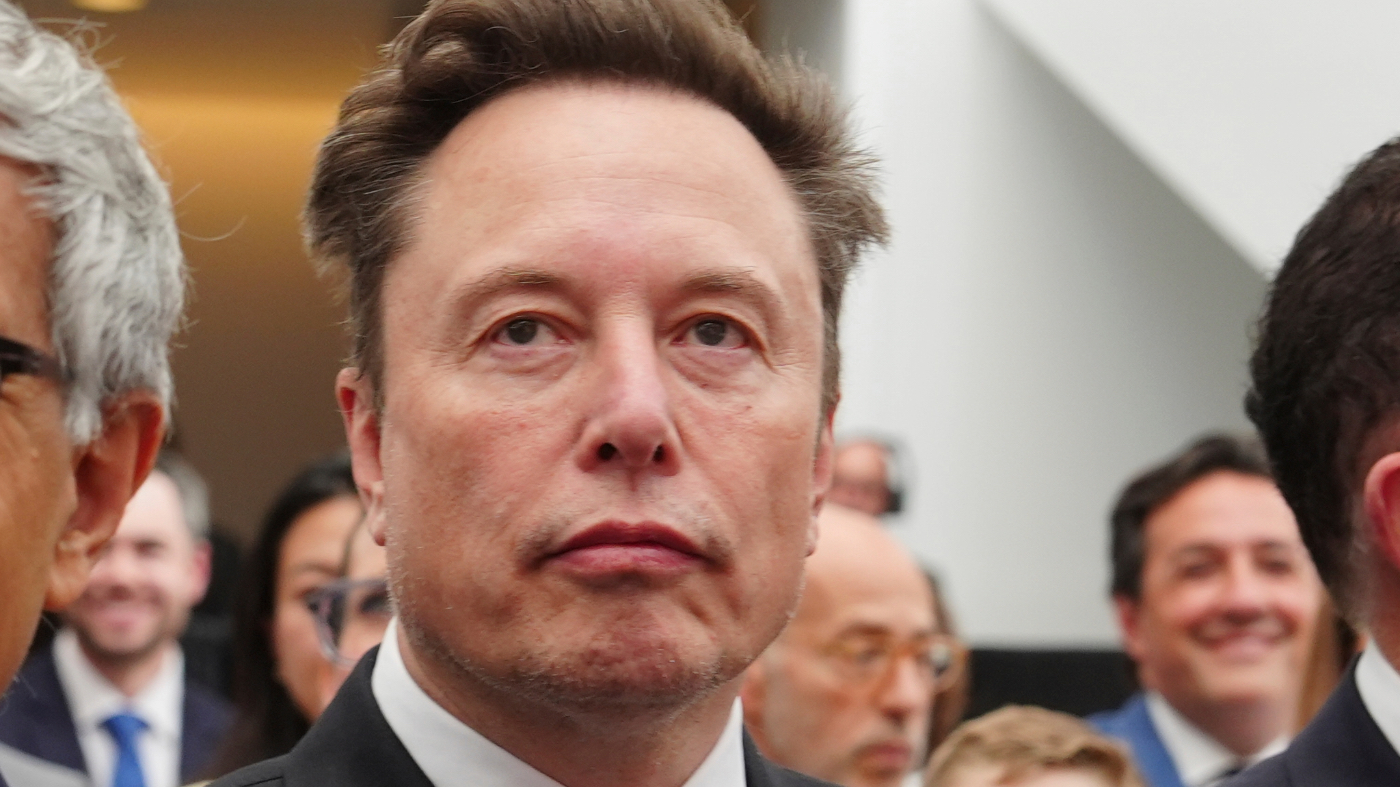
Elon Musk stood alongside President Donald Trump during a U.S. Institute of Peace event in Washington on October 8, 2026. Reports from Politico suggest that Democrats, if successful in gaining control of one or both houses of Congress, plan to target Musk and his companies, including SpaceX and Tesla, with extensive investigations. This approach could significantly influence space policy and political dynamics in the United States, especially concerning the Artemis lunar program.
Congresswoman Zoe Lofgren of California, a prominent figure on the House Science, Space, and Technology Committee, pointed to numerous conflicts of interest linked to Musk’s activities. The coming years are vital for the Artemis program, as it gears up for Artemis III’s Human Landing Systems test in 2027, featuring the SpaceX Starship. The first moon landing since 1972 is anticipated for 2028, with NASA recently updating on progress toward this objective. The Starship’s trial runs aim to establish it as an operational vehicle, poised to return astronauts to the lunar surface.
Speculation surrounds what actions a Democrat-led Congress might take that could jeopardize the moon landing, primarily due to tensions with Musk. Kara Swisher, a podcaster, mentioned the possibility of legal actions leading to Musk’s imprisonment, while others have considered nationalizing SpaceX, echoing scenarios from an Ayn Rand narrative. Even without extreme measures, requiring Musk to frequently appear before congressional committees could divert his focus from managing his ventures, potentially hindering projects from space data centers to Starship preparations for lunar missions.
Besides SpaceX, NASA can also rely on Blue Origin’s Human Landing System for Artemis IV. However, previous experiences with the commercial crew program underscore the advantage of having multiple options for flight hardware. Democrats might need to reconsider their strategy against Musk because the Artemis program enjoys bipartisan support. Any hindrance could enable China to achieve its lunar ambitions ahead of NASA and its collaborators, leading to considerable political repercussions if congressional Democrats bear responsibility.
Musk, despite criticisms, is often hailed as an innovative capitalist, leading efforts in space exploration, electric vehicles, and technological advancements like Neuralink. Attacking someone with Musk’s stature and resources might provoke significant public disapproval. Musk has expressed his willingness to fight back, emphasizing a resolve to retaliate if attacked. His substantial financial investments in midterm elections hint at his strategic defense.
Moreover, Musk’s strong alliance with President Trump could further complicate matters, given Trump’s readiness to extend support to Musk. If Democrats gain legislative control, they might benefit more from transforming adversarial dynamics into a cooperative relationship. Musk, once an ally of President Obama, is now closely allied with Trump, indicating a notable political shift. Embracing this opportunity for dialogue could prove more beneficial than engaging in legal battles, facilitating a collective national achievement in space exploration by 2028.
Mark R. Whittington, known for his writings on space policy, has authored several works including “Why is It So Hard to Go Back to the Moon?” and “Why is America Going Back to the Moon?”
Leave a Reply