The Impact of Social Media on Halloween
Edward Perotti, a well-known celebrity event designer, believes Halloween has transformed significantly. According to Perotti, the holiday’s original allure of personal expression and creativity has been overshadowed by commercialization and the pursuit of online attention. Retailers are promoting Halloween products earlier each year, and social media platforms are encouraging extravagant displays aimed at attracting followers. Perotti feels these trends diminish Halloween’s spirit of freedom, which is unlike other holidays filled with obligations, gifts, and elaborate meals.
To counter this, Perotti urges people to rediscover the essence of Halloween. He suggests focusing on the present, utilizing items already available at home, and creatively repurposing old decorations. Emphasizing genuine self-expression and building community connections are paramount over adopting pre-packaged aesthetics.
Martha Stewart’s Halloween Costume Controversy
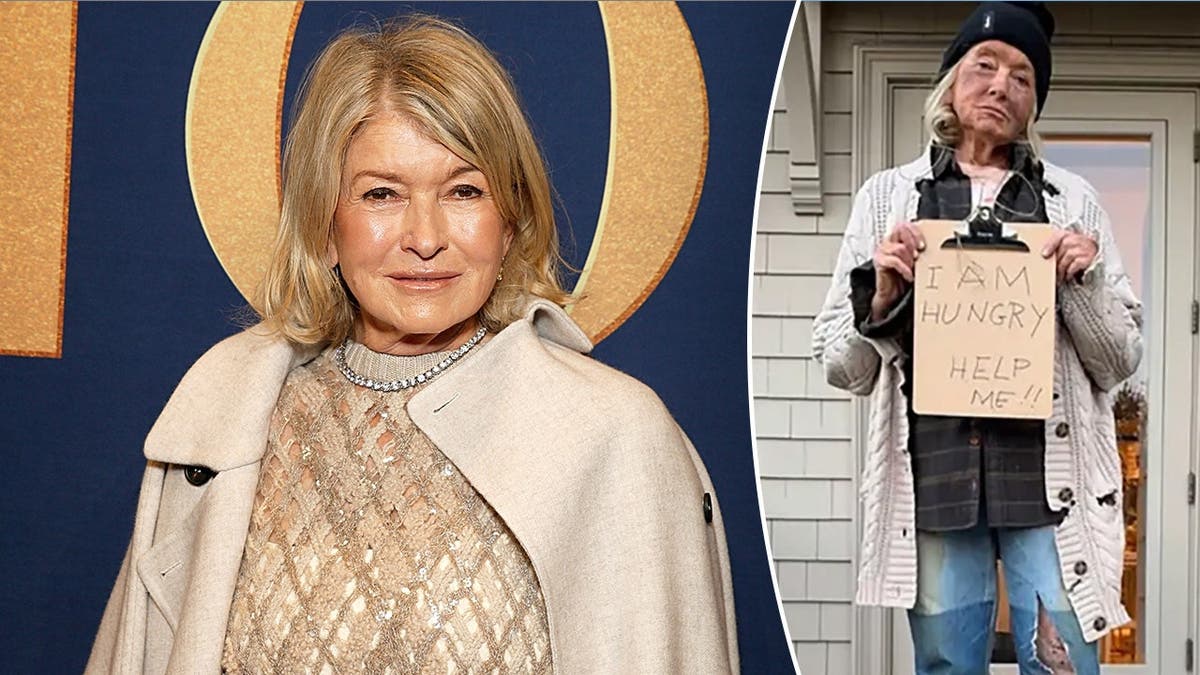
Martha Stewart recently faced backlash for her Halloween costume intended to raise awareness about homelessness. Stewart, 85, shared a photo of herself wearing distressed clothing with a sign reading “I AM HUNGRY. HELP ME!!” The image was part of an Instagram post promoting Stewart’s QVC candles but was quickly removed following strong criticism.
Stewart responded to the controversy, stating her costume was meant to highlight the challenge of homelessness and expressed disappointment over the negative reaction. Despite her explanation, the costume continued to receive criticism, with comments labeling the costume as tasteless and questioning Stewart’s sincerity.
Public Reactions
The online reactions to Stewart’s costume varied. Many criticized the costume’s insensitivity, while others defended Stewart, seeing it as harmless fun linked to the lighthearted traditions of Halloween.
Critics pointed out the potential harm of trivializing serious issues such as poverty, urging Stewart to apologize for any unintended offense. However, some supporters viewed the costume as part of Halloween humor, expressing frustration over what they considered an exaggerated response.
The incident involving Stewart highlights ongoing debates about what constitutes appropriate Halloween costumes, especially when intended messages are not well-received. As social media continues to shape public opinions, controversies like these may become increasingly frequent.
Leave a Reply