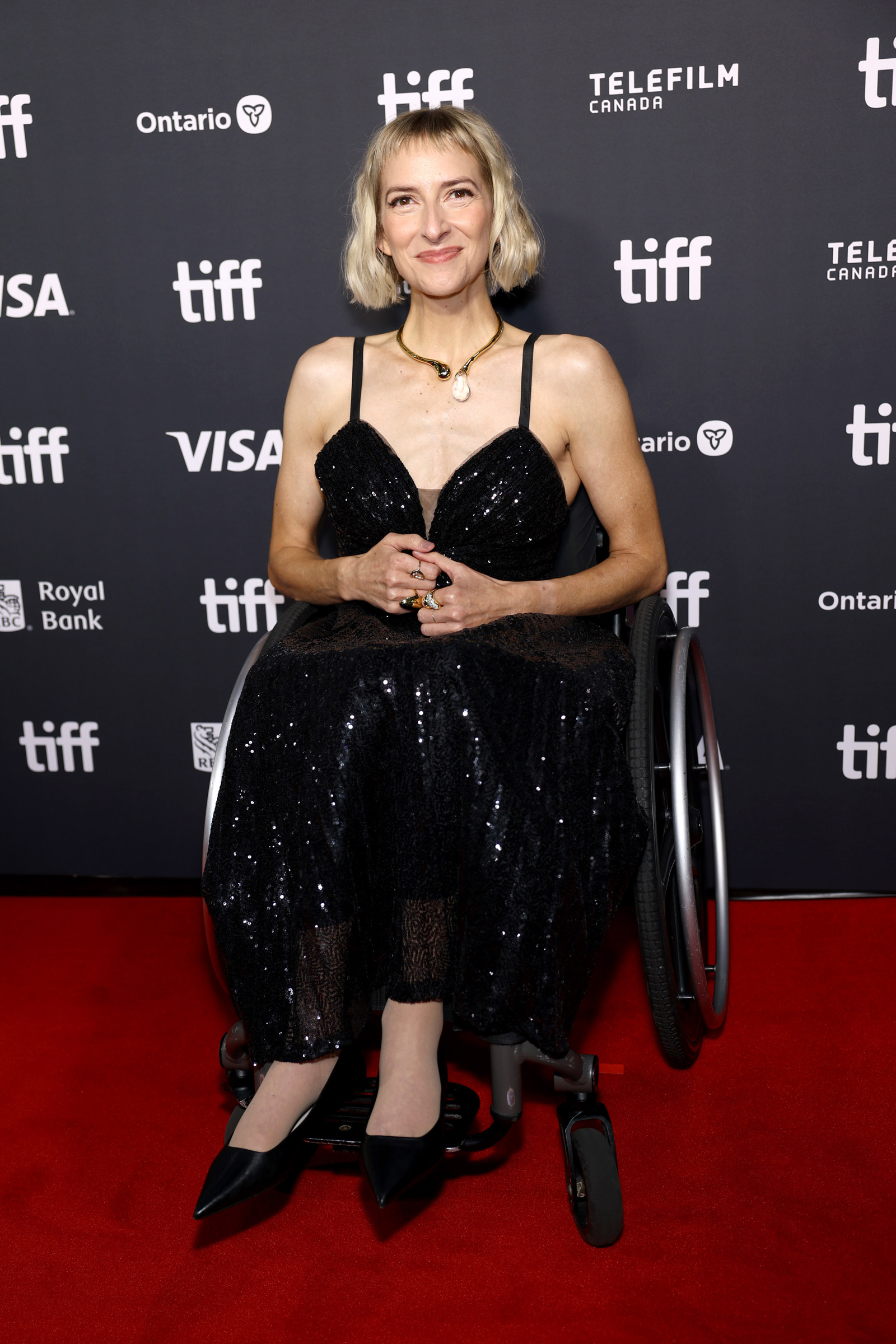
One of the most memorable nights of my life was spent in an L.A. movie theater. I sat with talented writers and actors as they read the draft of a movie script I’d co-written with Oscar-winning filmmaker Siân Heder. The room buzzed with laughter and emotion. It felt surreal to think this movie might get made.
The script titled Being Heumann centers on Judy Heumann’s historical battle against the U.S. government. It’s a David and Goliath story, chronicling Heumann and other disabled protesters fighting for the implementation of Section 504 of the Rehabilitation Act. This legislation redefined how society views disability, arguing against the notion that it automatically leads to exclusion. Passed in 1973, years went by without enforcement, until Judy and over 100 supporters held a sit-in at the Department of Health, Education, and Welfare in San Francisco.
The sit-in, lasting almost a month, is the longest peaceful occupation of a federal building in U.S. history. The success of Section 504 paved the way for the Americans with Disabilities Act (ADA) in 1990, which was possible due to support from figures like Bob Dole, a disabled WWII vet and Kansas Senator.
These laws have changed the landscape by insisting that disabilities should not be a barrier to participation in society. They protect every American.
Most people, including myself, never learned this history growing up. It wasn’t until I worked on the Being Heumann script that I gained a deeper understanding. I realized that accessible features like curb cuts and ramps were hard-won victories.
During my involvement in the project, I got to know Judy. I described my life to her, highlighting how her activism had shaped it. Where Judy fought for education, I had always attended my local school. She had challenges getting a teaching license, but my wheelchair never came up in job interviews.
One poignant scene, which didn’t make the final script, depicted Judy’s ordeal when forcibly removed from a plane. Airlines have improved slightly since those days, yet challenges remain. I experienced this firsthand when an airline lost my wheelchair, a valuable and custom piece of equipment.
When my husband and I went to retrieve my wheelchair, we found only its frame, severely damaged. The wheels were missing, eventually replaced after three long weeks. This experience highlighted the persistent hurdles disabled travelers face.
Despite the adversities, news that Apple Studios approved the making of Being Heumann arrived about a year after my difficult flight. It was exhilarating to see disability casting prioritized by a major film studio. Watching actress Ruth Madeley’s audition brought tears to my eyes.
However, the backdrop to this progress was a troubling lawsuit, Texas v. Becerra. Filed by attorneys general from 17 states, the case sought to dismantle Section 504’s protections. Over time, it evolved to Texas v. Kennedy, challenging the longstanding interpretation of disability laws.
The Department of Justice’s memo claimed that people could be institutionalized, countering previous disability-rights interpretations. This is at odds with evidence showing it costs significantly more to institutionalize individuals compared to community-based support.
Ultimately, in September, a court decision vacated critical integration language from the law. The legislation remains, but its provisions have been weakened, despite protests from disabled advocates across the nation.
While the legal system backtracked, cultural recognition of disability rights advanced. Being Heumann premiered at the Toronto International Film Festival. Judy’s legacy continues to inspire action, even in her absence. She passed away unexpectedly during the film’s production.
Looking ahead, our generation must build on the progress Judy and her peers achieved. Storytelling offers a unique power to convey human experiences beyond what legislation can achieve. Authentic representation in media might encourage future generations to value inclusion.
Our journey is about more than legal victories; it’s about cultivating a society that fully values the contributions of disabled people. Judy taught us to persevere, as outcomes are never guaranteed but still worth striving for.
Leave a Reply