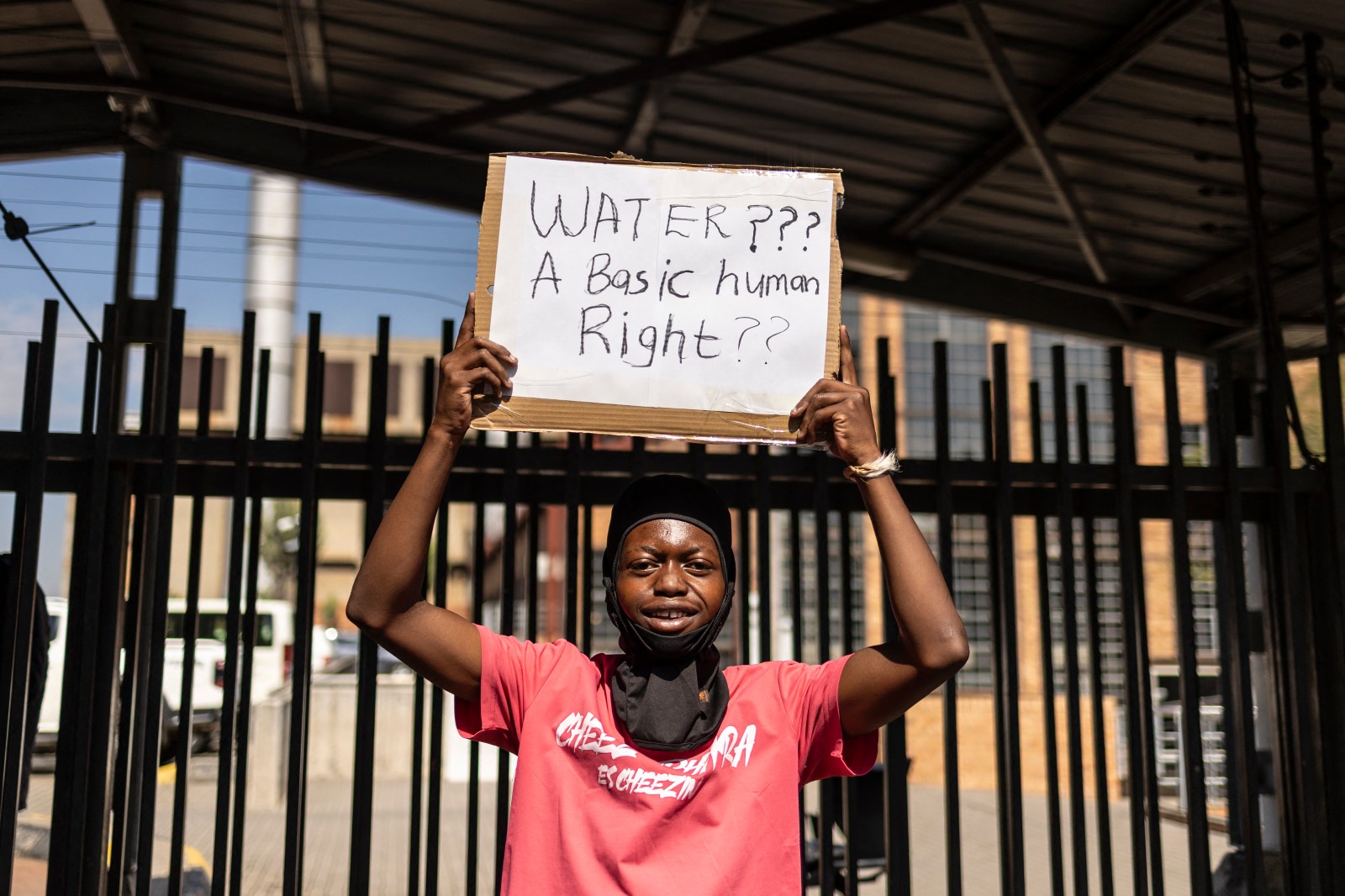
Johannesburg, a city with approximately 6.2 million residents, is currently experiencing a severe water crisis. Many inhabitants have gone over a week without running water. Authorities recently proposed new restrictions, including supply cuts in certain areas, due to ‘severely constrained systems’. This issue has caught widespread attention on social media with an X post garnering 8 million views by Tuesday.
Impact on Daily Life
Water shortages have significantly impacted the daily lives of South Africans. Sharlene Smith, 59, shared her ordeal with Bloomberg, describing how the crisis forces her to cross a dangerous, gang-affected area to fetch water from a church or mosque for her elderly mother. Businesses are also affected; a coffee shop owner told The Star that he spends an entire day’s earnings on refilling his backup water tank.
Infrastructure Problems
Professor Craig Sheridan, from the University of the Witwatersrand, explained that despite full dams, constrained infrastructure prevents water from reaching homes. Pipes, reservoirs, and water towers have suffered from neglect while demand steadily grows. Mike Muller, former director general of water affairs, stated that over 30% of water is lost due to leakages in the distribution network.
Johannesburg Mayor Dada Morero addressed the media, stating that reservoirs are unable to recover as water is consumed faster than it can be replenished. Labor strikes exacerbated these issues, causing delays in necessary interventions. Morero mentioned that some areas have experienced dry taps for over ten days. To support affected residents, the city plans to acquire water tankers for delivering water to informal settlements.
Challenges in Water Distribution
Johannesburg’s unique position as a major industrial city not located on a river complicates water distribution. Professor Sheridan highlighted that thousands of kilometers of pipes are not maintained to global standards, leaving many reservoirs and towers leaky. He warned about the city’s real supply constraints, with the next dam expected to become available by 2028 or 2029. Sheridan added that not much space remains for constructing large dams.
Factors like power outages, which frequently interrupt pumping stations, contribute to water loss through leaks. According to Geography Associate Professor Anja du Plessis, systemic failures and governance issues at the local level hinder efficient water management.
Proposed Solutions
Johannesburg has enforced ‘Level 1’ water restrictions since September, prohibiting activities like watering gardens or filling pools during certain hours. These rules will remain until March 31. However, stricter ‘Level 2’ restrictions may include mandatory spray nozzles on hoses and using treated wastewater for activities like road construction.
The immediate focus should be repairing leaks, estimated to recover 30-40% of the city’s water. Sheridan emphasized that even simple steps taken gradually can have significant impacts over time. He also called for reviewing billing and tariff systems to incentivize water conservation.
The political situation complicates management efforts, with Johannesburg facing coalition governance challenges since 2016. As the elections approach, fixing leaks has become a priority for all major political parties.
Currently, Johannesburg Water continues to conduct leak detection and infrastructure rehabilitation to reduce water losses. Meanwhile, residents and businesses are urged to cut down on water usage.
Leave a Reply