The recent midterm elections represented a significant political shift, widely perceived as a pronounced message to President Trump. This interpretation comes not only from individual opinions but is reflected in the headlines of major newspapers worldwide. Reports highlighted how Democrats regained control of both the Senate and the House in these elections, marking a rare occurrence in the political landscape.
Some media outlets, including The Wall Street Journal and The New York Times, described the election outcome as a ‘stunning rebuke’ to Trump. The Financial Times echoed this sentiment, noting a ‘blue wave’ across the nation. In Texas, traditionally a Republican stronghold, Bloomberg reported the state turning blue, signaling a shift in voter sentiment.
The results showed Democrats holding 54 Senate seats compared to the Republicans’ 44, with the House standing at 228 seats for Democrats against 129 for Republicans. President Trump acknowledged the changing dynamics, expressing a willingness to cooperate with Democrats and acknowledging their efforts during the campaign.
However, Trump’s acceptance of the results does not signal a shift in his policies. Close associates, such as Chris Ruddy from Newsmax, suggest he will continue to pursue his agenda via executive actions.
“He’s not a man that reflects. He’s got two drives, fast and faster, in his gearbox.”
Despite setbacks, Trump supporters remain optimistic about political strategies through executive means amidst expected clashes with the Democratic-controlled Congress.
Moreover, voters expressed widespread discontent with incumbents, a sentiment reflected in the substantial changes in party control. These elections have triggered discussions around political strategies and implications for future congressional sessions, as well as debates on domestic issues such as economic policies and social spending.
Economic Implications of Midterm Elections
The aftermath of the elections impacted financial markets, with investor confidence increasing as markets anticipated a political stalemate between Congress and the White House. Historically, such deadlocks reduced legislative surprises, often boosting market stability.
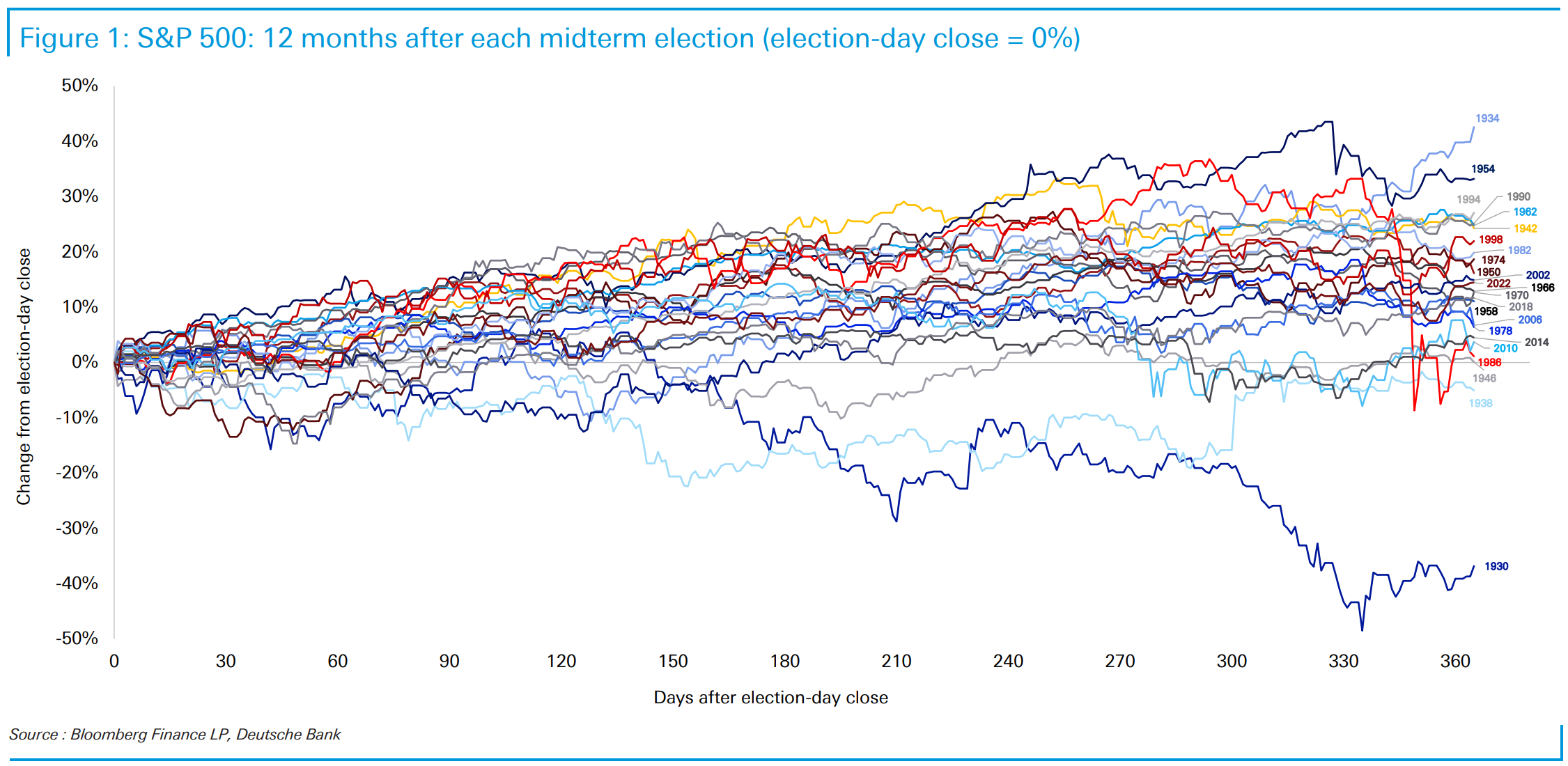
The S&P 500 showed positive momentum, mirroring historical trends where midterms often marked a market low point. Data indicates that the S&P 500 consistently rises in the year following midterms.
This election also saw technological sectors experience significant financial maneuvers, with companies borrowing to fund projects, echoing debt levels reminiscent of the dot-com boom. Observers noted these financial activities signify growing optimism in tech-driven growth.
Overall, the shift in congressional balance reflects broader societal trends, including shifts in political allegiances and voter priorities. The coming years may see these dynamics continue shaping legislative approaches and economic strategies both domestically and internationally.
Leave a Reply