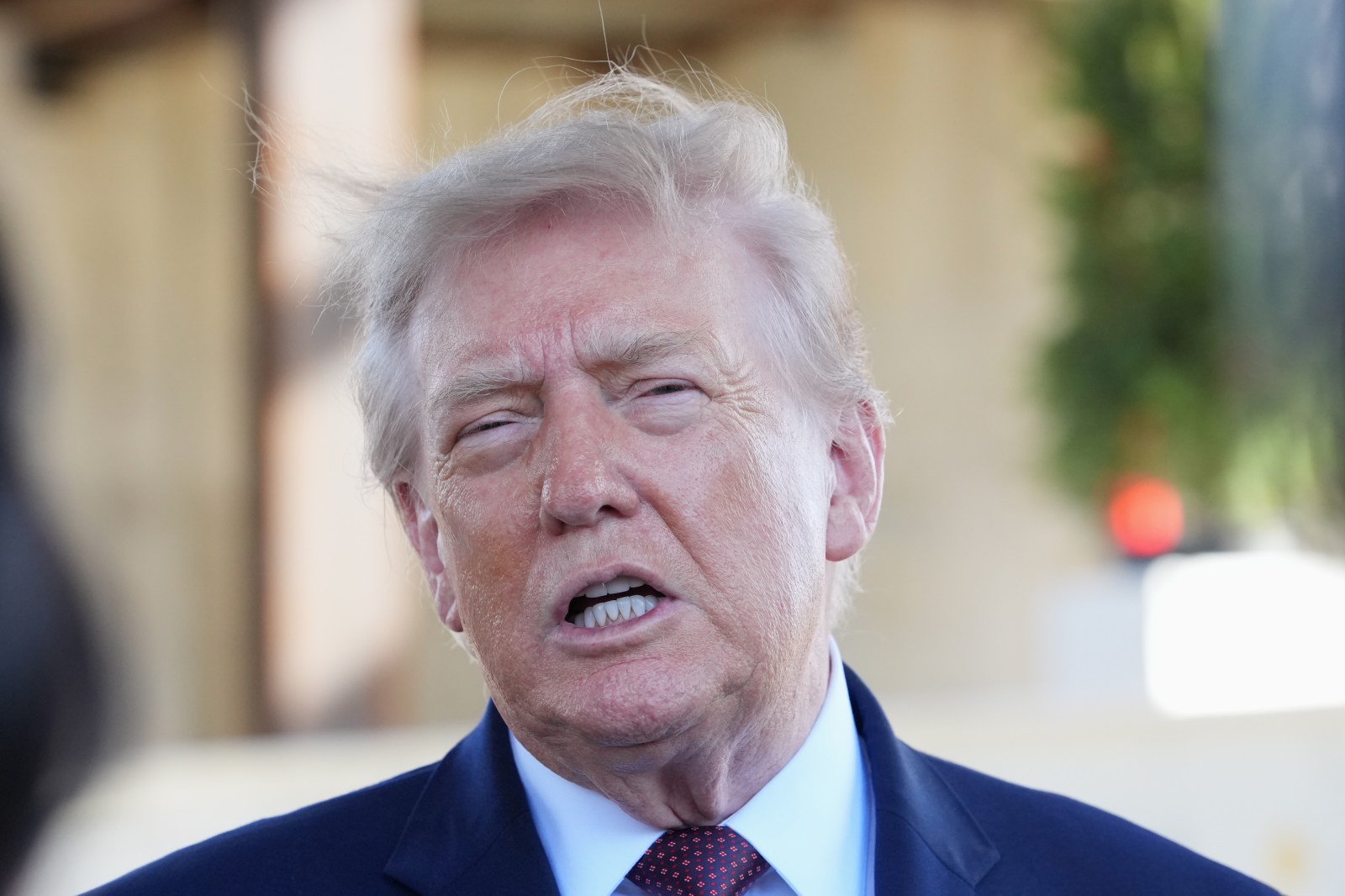
Trump’s Position on Daylight Saving Time
Former President Donald Trump addressed why he chose not to prioritize daylight saving time as a significant issue before the midterm elections. He aimed to prevent Republican senators from losing their races by large margins. In a social media post, Trump reiterated his discontent with the Senate for not approving the Sunshine Protection Act. This act proposed making daylight saving time permanent across most of the United States.
Trump expressed frustration over early sunsets following the recent clock change. He highlighted how the early darkness seemed unnecessary, noting it was already dark by 5:31 p.m. He explained not emphasizing the issue earlier because it might have affected the election outcomes negatively for certain senators.
Impact on Midterm Elections
Trump’s comments came amidst Democrats celebrating significant gains during the midterms. These victories shifted control in Congress, presenting challenges for Republicans in upcoming legislative sessions. Despite acknowledging other pressing priorities, Trump vowed to continue advocating for permanent daylight saving time.
Understanding Daylight Saving Time
Daylight saving time in the U.S. ended on November 1, when clocks were set back one hour at 2 a.m. local time. This transition marked a return to standard time, offering an extra hour of sleep but resulting in earlier sunsets. Typically, daylight saving time starts on the second Sunday in March and concludes on the first Sunday in November.
Most parts of the United States observe this practice, with exceptions like Hawaii, most of Arizona, Puerto Rico, Guam, and the U.S. Virgin Islands.
The Sunshine Protection Act Explained
The Sunshine Protection Act seeks to permanently adopt daylight saving time across the nation, removing the biannual clock changes. Although it enjoys bipartisan Congressional support, concerns over its implications have delayed its passage into law.
The proposed act, H.R. 139, reintroduced by Republican Representative Vern Buchanan, passed in the House but has stalled in the Senate. Trump’s continued advocacy highlights the benefits of longer evening daylight and ending twice-yearly clock changes.
Future of Daylight Saving Time
Current federal law continues daylight saving time unless Congress decides otherwise. Past proposals have seen mixed success, with an earlier version approved by the Senate but not by the House. Trump’s support hinges on Senate approval before any rule changes.
Facing a Democratic majority, the act’s progress will depend on bipartisan willingness to revise the current system.
Trump’s Advocacy for Change
Throughout his term, Trump backed the end of biannual clock changes, favoring permanent daylight saving time. He previously criticized the Senate for inaction, targeting opponents like Republican Senator Tom Cotton, who cited concerns for morning darkness during school hours.
In promoting the act, Trump noted benefits such as extended daylight for outdoor activities. Support from figures like PGA Tour CEO Brian Rolapp emphasized how professional sports could gain from later daylight.
Oversight of Daylight Saving Time Regulations
The U.S. Department of Transportation (DOT) manages time zones and daytime observance compliance. Time zone boundaries and adherence to federally set daylight saving time dates fall under its purview. The DOT lacks authority to independently abolish or set daylight saving time permanently, which requires congressional legislation.
The National Institute of Standards and Technology (NIST) also contributes by maintaining time references and providing rule information. Statutory changes require Congressional action, followed by presidential approval. The Uniform Time Act allows states to reject daylight saving time in favor of permanent standard time but does not permit the reverse.
Without legislative intervention, Americans will continue adjusting their clocks each year.
Leave a Reply