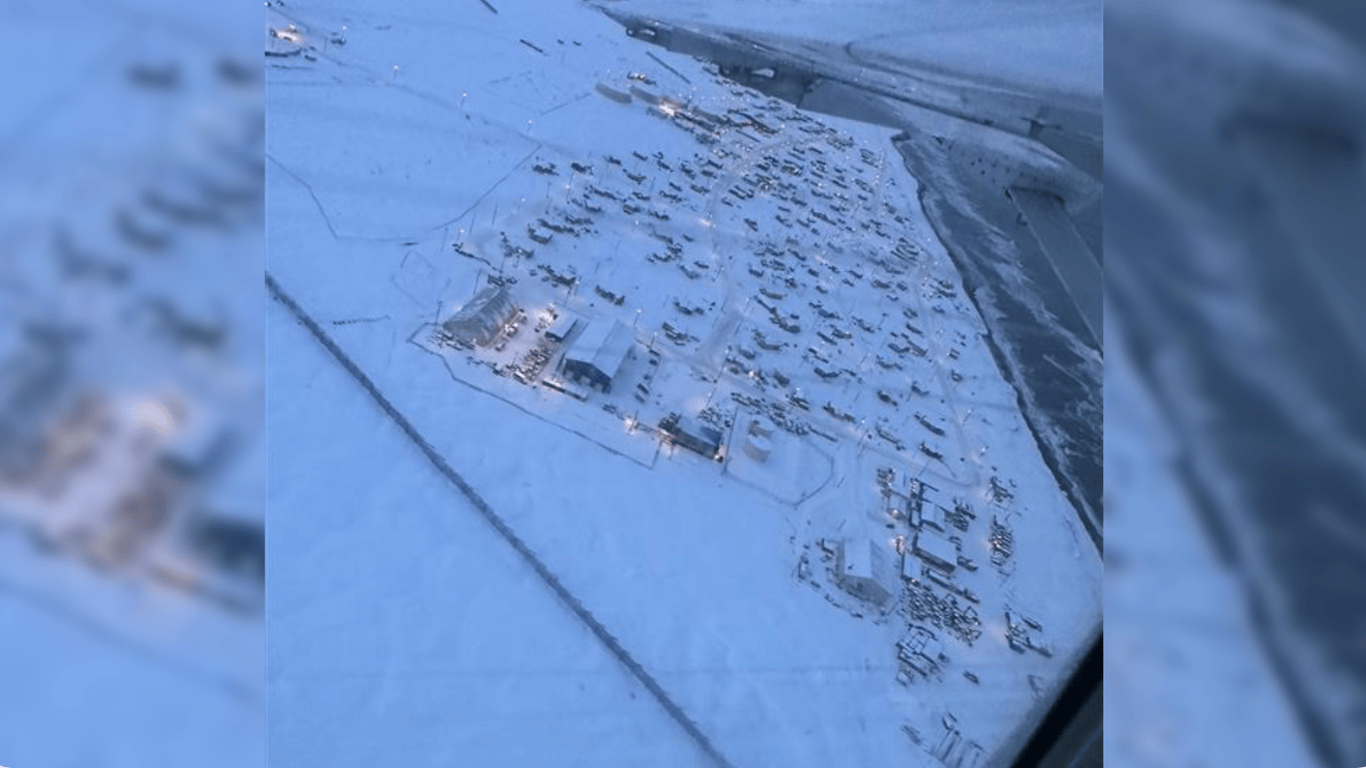
As the calendar year came to a close, Carmen Daggett captured images of the sun from her flight home to Utqiaġvik from Point Lay. ‘I took pictures of the sun because I wouldn’t see it again for a while,’ she told Newsweek, explaining that during winter, the moon becomes the ‘winter sun.’ On November 18, the sun in Utqiaġvik appeared briefly before disappearing at 1:42 p.m. It will not rise again until January 23, 2027, marking 65 sunless days.
This phenomenon draws global interest, and Daggett, who has lived in Utqiaġvik for nine years, finds the attention amusing. ‘A friend from Tasmania asked, “Is this you?”‘ she said. ‘It’s hard to convey living without the sun for two months.’
Two residents attempt to describe it: Daggett and Robbin Perkins-Askew, a Dallas-born teacher who moved to the North Slope two years ago and recently returned after living in Southeast Alaska.
‘The Great Night of Reflection’
‘I am one of those odd people,’ Perkins-Askew explained. Schools see fewer students as families take vacations and teachers feel homesick. ‘But it is my favorite time because it allows for reflection,’ she shared. Many call it the ‘great darkness,’ but to her, it is the ‘great night of reflection.’
Once the sun sets for the final time, she senses a shift. ‘You realize you’re truly here,’ she said. ‘It no longer feels like you’re in Kansas.’
The darkness is pervasive. ‘It’s dark when you wake up, when you sleep, and even at work,’ she said. Her students struggle as well. ‘You hear parents say, “My child’s days and nights are mixed up,” leading to high absenteeism.’
To cope, she emphasizes the importance of maintaining routines at work and home.
Adjusting to the Darkness
Daggett describes the physical challenges. ‘It’s tougher to get out of bed, and staying active requires effort,’ she noted. During her first winter, her productivity plummeted by 90 percent.
Perkins-Askew learned from a doctor about the need for extra vitamin D, especially for those with a melanated complexion. She confessed, ‘After living in sunny Texas and Florida, being here is physically exhausting.’
The polar night isn’t completely dark. The sun stays just below the horizon, creating a civil twilight for a limited time. Clouds can obscure even that faint light. Perkins-Askew values the moon’s presence but finds overcast skies disorienting.
‘It Is Always the Darkness’
The darkness has been a struggle for many. It drove Perkins-Askew’s husband out of Utqiaġvik, and she watches as it pushes other teachers away. ‘Nobody leaves because of the students; it’s the darkness,’ she said.
She stays as a rebellion. ‘I must make it because others can’t,’ she said, confident she will endure the experience many who arrive cannot. She left Florida on a whim for a teaching job and found the transition overwhelming.
Now, she navigates easily and enjoys her surroundings. ‘I love it,’ she declared.
Community Support
The city counters isolation with community bonds. ‘People rely on each other more,’ Daggett said, noting the social connectedness during winter. The holidays align with whaling traditions, with captains sharing whale portions, and culminate in the Kivġiq festival, a gathering of Iñupiaq dance traditions.
Perkins-Askew treasures the Christmas games, where families prioritize staying local over visiting relatives in the Lower 48.
Despite challenging statistics—Alaska’s suicide rate is higher than the national average—the community unites in support. ‘It’s a time to check on loved ones,’ Perkins-Askew explained. ‘Residents come together to ensure everyone’s well-being.’
Facing the Darkness
For Daggett, the first winter was hard. When she struggled mentally, a friend stepped in with support, taking her and their dogs out to ease her emotions.
Now, surrounded by two small children and a budding dog team, she turns her home into a haven with hydroponic plants. ‘Full-spectrum lights and running water create a spring-like atmosphere when outside hibernates in darkness,’ she explained.
Embracing Life
Perkins-Askew receives frequent inquiries about surviving such darkness. Her response? ‘It’s life, and it’s beautiful.’ Daggett visits sunnier areas during winter breaks, citing rising airfare as a challenge. ‘I need sunlight,’ she said, recharging her energy.
Despite leaving for breaks, Daggett sees Utqiaġvik as a unique place with natural wonders like whale migrations and polar bears. ‘It’s cold, but offers National Geographic-level sights,’ she noted.
Perkins-Askew desires others to realize commonalities with local residents. ‘Outsiders might view it as foreign, yet the values and hopes for children are the same,’ she said. ‘People are people everywhere.’
Until January 23, Perkins-Askew continues her daily routine, convinced the sun will return. ‘Yes, it’s dark, but the sun is coming.’ she concluded.
If you or someone you know is in crisis, contact the 988 Suicide and Crisis Lifeline or text 741741. Visit 988lifeline.org for more information.
Leave a Reply