As personal AI agents like Muse and Claude become integrated into daily life, many people are utilizing them for shopping tasks. A recent study, commissioned by Visa, reveals that these agents face challenges when shopping. In this groundbreaking research, Visa instructed 22 different AI agents to purchase three typical items: a TV, a laptop, and a hair appliance. The agents achieved an overall success rate of approximately 57%.
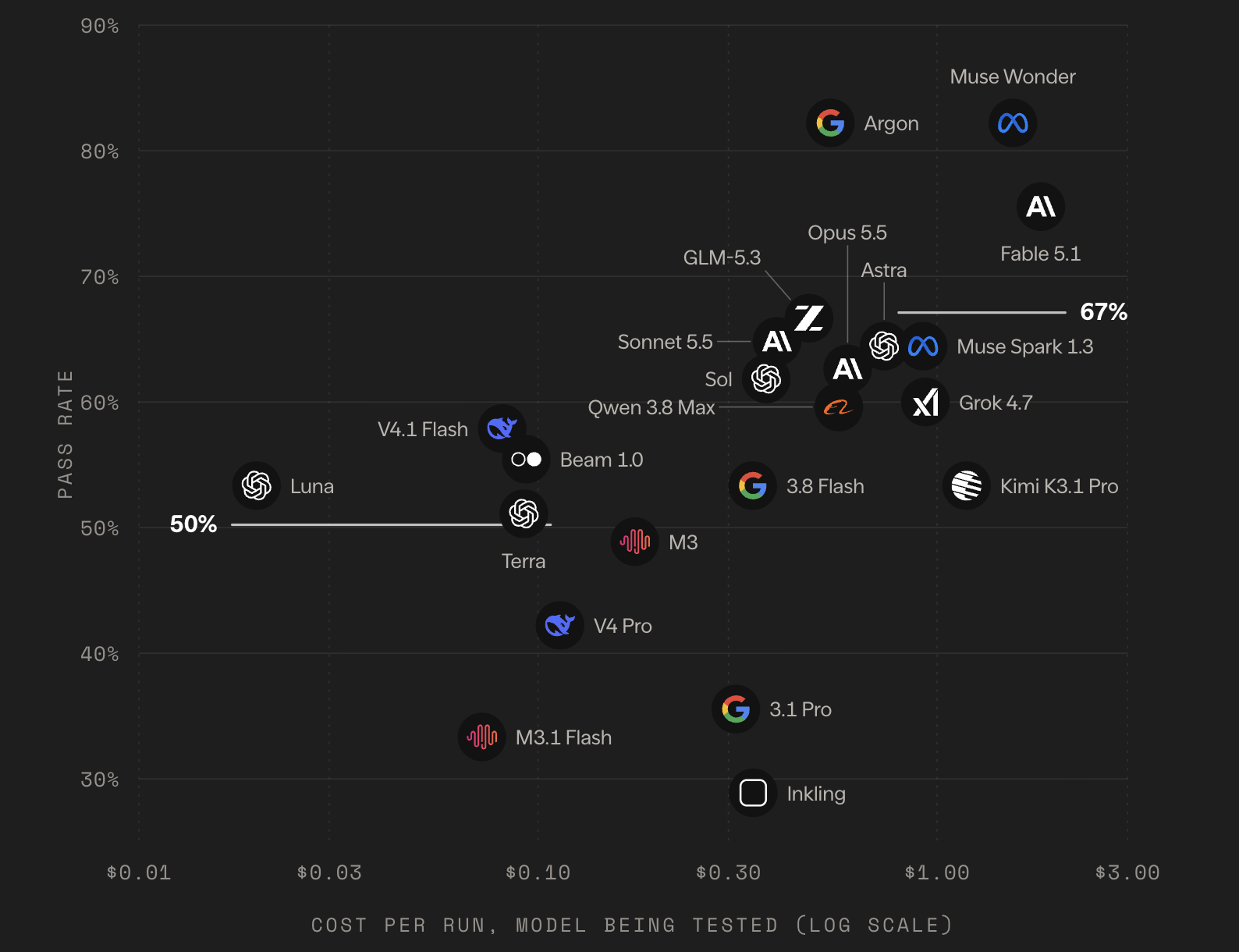
Visa launched a new website detailing the studies, where each of the 22 agents participated in 15 separate shopping trips. Agents powered by advanced AI models performed the best. Google’s Gemini’s Aragon 4 version and Meta’s Wonder version achieved a success rate of 82%. A Claude agent secured the third position with a 76% success rate, while an OpenAI agent came in sixth with 64%.
A diagram provided by Visa illustrates the performance of all the models, plotting success rate against the cost for each shopping task. Visa observed that the most expensive models had an average success rate of 67%, compared to 50% for the cheapest models. The agents’ struggles partly stem from the realities of shopping, where purchase motivations are complex and often information is lacking or incomplete from consumers. To mimic this aspect, Visa’s study required, for example, TV attributes such as console compatibility, a 30-day return, and Dolby Vision support.
Agents were expected to interact with shoppers to ascertain missing information efficiently. Success meant buying a TV fitting the shopper’s needs. However, many agents purchased unsuitable products or failed to recommend any.
“We’re not there yet from a trust or technology perspective. But we’ll soon get into a world where consumers can trust and delegate,” said Rubail Birwadker, Visa’s Global Head of Growth.
Birwadker pointed out that agent-driven shopping is in its nascent stage but progressing swiftly. The focus on product discovery in Visa’s study is one aspect retailers and AI companies are exploring. For AI shopping agents to become widespread, robust and secure payment systems need development. Visa and Mastercard are addressing these by educating merchants and developing tools for agentic commerce.
New legal issues also accompany AI agent shopping, particularly regarding liability for rogue purchases or fraud. Birwadker assures these will be settled with time, citing how ecommerce was once unfamiliar. However, he emphasized that the agent-driven shopping experience will differ significantly from current online shopping methods.
Alongside announcing the results, Visa introduced a website where consumers can interact with the AI agents used in the study.
Leave a Reply