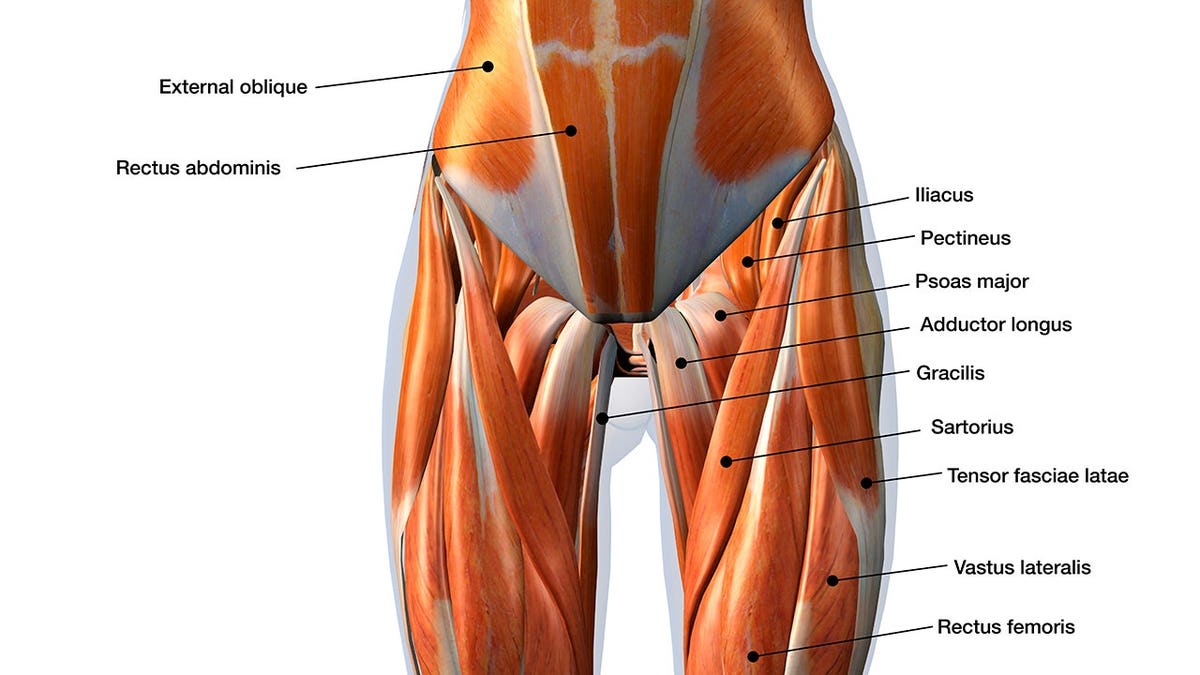
Two undergraduate students at Tulane University in New Orleans made a significant find in the field of anatomy. Dominic Roy and Cooper Bruce, both 19 at the time, uncovered an anatomical feature that puzzled even their professor. Their discovery happened in 2024 in the cadaver lab with Dr. R. Shane Tubbs, a neurosurgery professor at Tulane School of Medicine.
Unexpected Discovery
While volunteering in the lab, the students were dissecting several specimens’ hips. They aimed to compare the connection between the iliacus and psoas major muscle, which extends from the lower back to the upper thigh. Instead of the expected muscles, Roy noticed something unusual. He found a muscle on the other side of the Iliac fascia, near the pelvis’s inguinal region.
“I called Dr. Tubbs over and asked, ‘What is this?’ We didn’t talk about this in our morning meetings … and I think he was as stumped as me.”
After searching through available literature and textbooks with no prior record of the muscle, the team understood the significance of their finding. This unidentified muscle attachment became a subject of intrigue.
Collaborative Effort and Global Interest
The finding caught the attention of medical professionals, both seasoned and rising talents, worldwide. Everyone involved gathered around the specimen to document and discuss the anomaly.
The findings eventually merited publication in the journal Clinical Anatomy. Tubbs, also the co-editor-in-chief of Gray’s Anatomy, praised the students’ work as a moment of rare fortune.
“[They] identified a different part of a muscle that we had not looked at yet. It’s deep in the pelvis and runs out to the front of your hip.”
Potential Medical Significance
The purpose of the newfound muscle remains uncertain. However, clues suggest it might assist in stabilizing the psoas major muscle, which plays a role in hip bending.
Future research through MRI scans could highlight whether the muscle’s presence relates to more or fewer symptoms in patients. Awareness of this muscle could improve minimally invasive procedures and care for hip surgery patients.
“More research is needed for us to better understand what it does… This is the first step in identifying something.”
Anatomical Variability and Evolutionary Insights
The muscle was not found in every cadaver, underlining human anatomical variability. Researchers noticed the same muscle attachment in gorillas, hinting at an evolutionary link.
This discovery leads to questions about its presence in some humans but not others. This could be tied to different physical activities among individuals, such as soccer or rock climbing.
Educational Impact and Continued Exploration
Experiencing real cadavers plays a crucial role in medical education, offering insights beyond the capabilities of synthetic models. Tubbs emphasizes the ongoing nature of anatomical discovery, indicating that textbooks do not mark the end of learning.
This experience inspired the students to pursue further studies in medicine. Roy intends to enroll in a master’s program in anatomy, driven by the endless curiosity sparked by their discovery.
Leave a Reply