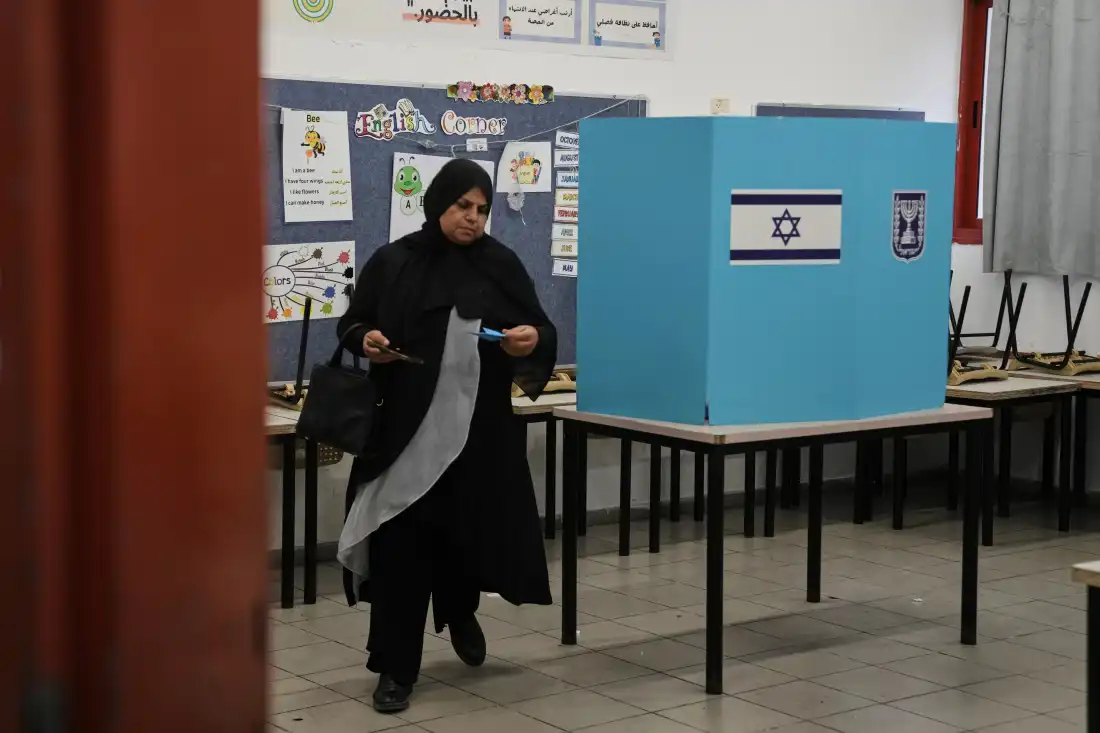
In recent years, many Palestinian citizens of Israel have avoided elections, feeling excluded from a state that they argue marginalizes their communities and oppresses Palestinians in the West Bank and Gaza. However, last month, Palestinian Arabs in Israel went to the polls in unprecedented numbers. This turnout was significant in diminishing Prime Minister Benjamin Netanyahu’s far-right government’s majority and empowering Arab-led parties in Israeli politics.
Jamal Zahalka, chairman of the High Follow-Up Committee, stated, “We blocked the government of Netanyahu from continuing. It’s a historical achievement. I think our community found its strength.” Both Netanyahu’s coalition and Gadi Eisenkot’s center-right opposition fell short of the 61 seats needed to form a government. Arab-led parties secured 19 of the 120 seats, positioning themselves as pivotal players in the resulting negotiations over the country’s governance.
Two days after the election, in the Palestinian-majority town of Kufr Qasim, hundreds gathered to commemorate residents killed by Israeli border police in 1956 during the Suez Crisis. Speakers addressed the ongoing struggles faced by Palestinians, including heightened discrimination and the ongoing conflict in Gaza, which has left over 74,000 Palestinians dead, as reported by rights groups and the U.N.
The worsening situation for Palestinians in Israel motivated many to vote, according to Kufr Qasim residents. Intisar Sarsur, a 65-year-old resident, expressed, “There is no freedom anymore. We are seeking our basic rights as human beings.” Sarsur recounted how virtually everyone she knew participated in the election.
Palestinian citizens of Israel, who are descendants of those who remained following the establishment of Israel in 1948, now make up about 20% of the population. This election saw a 64% increase in votes for Arab-led parties compared to previous elections. This surge alarmed right-wing factions in Israeli politics, who view it as a threat to the country’s Jewish identity.
Netanyahu’s party responded by labeling the high Arab voter turnout as an emergency. Itamar Ben Gvir, the far-right national security minister, urged voters to turn out to maintain the Jewish and Zionist identity of Israel. Accusations of election fraud by Arab parties were made without evidence, and police found no grounds for such claims.
These narratives are seen as efforts to discourage partnerships between Arab parties and Eisenkot’s center-right bloc. However, the increase in anti-Arab sentiment has made such alliances risky, leading to potential divisions within political alignments.
Despite the barriers, Arab parties continue to navigate their newfound influence. Some, like Ra’am, expressed willingness to join a coalition, while others remain hesitant due to ongoing conflicts. President Isaac Herzog has begun discussions to determine who will attempt to form a coalition government, with deadlines in place for this process. Failure to do so could lead to another election.
In Kufr Qasim, Mansour Shaaban, a first-time voter at 33, emphasized the necessity of the election. “Even if we don’t succeed in creating change this time,” he noted, “right-wing politicians now know that Palestinian citizens of the country have found their voice.”
Nuha Musleh contributed to this report.
Leave a Reply