Florida largely resisted the Democratic momentum seen across the nation during the midterms. However, shifts in several congressional races in favor of Democrats, compared to the 2022 midterm elections, raise questions about the state’s competitiveness in 2028. While Republicans celebrated Florida as a red stronghold during a national blue wave, the outcomes suggest a more complex picture.
A post-election memo from Governor-elect Byron Donalds’ campaign described Florida as the “premier Republican stronghold in America.” This comes after Democrat Gina Hinojosa secured Texas’ gubernatorial seat. Despite most congressional races in Florida being won by Republicans, many shifted towards Democrats compared to the 2022 midterms with significant margins.
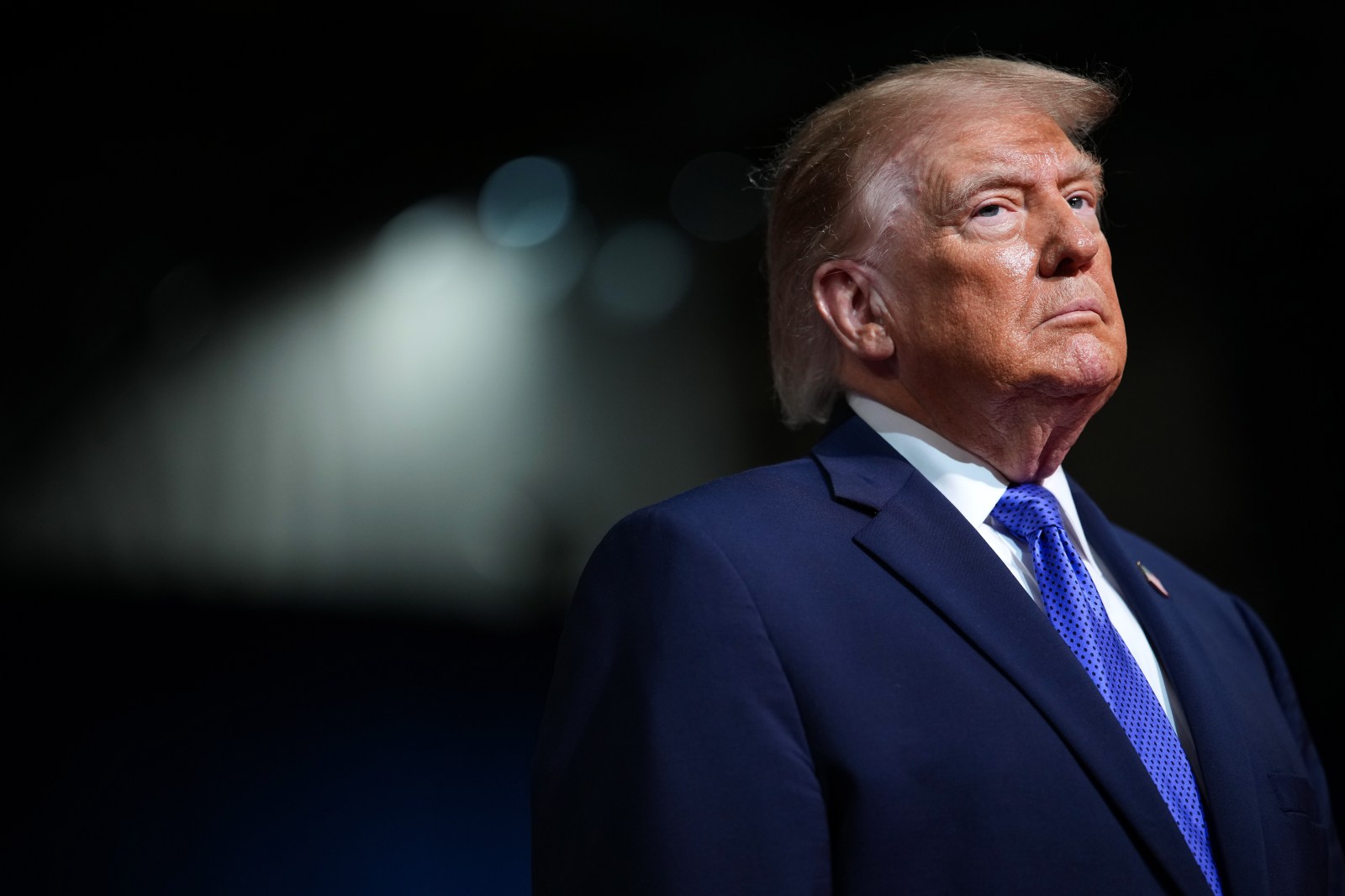
President Donald Trump, who has made Florida his main residence since leaving New York, views the state as increasingly Republican. Trump secured Florida by about 13 points over Kamala Harris in 2024, a significant change from 2016 when he carried the state by just over one point.
Midterm Race Outcomes in Florida
Republican victories in Florida were narrow over Democrats in many congressional contests, including a special election for the U.S. Senate seat, as well as in several House races. Four races remain very close.
Florida Republicans aimed to expand their congressional majority following a redistricting plan by DeSantis that favored the GOP. Yet, Republicans did not immediately flip any targeted Democratic seats. DeSantis mentioned that without changing the congressional map, Democrats might have flipped several Republican-held seats.
In 2024, Florida voters sent 20 Republicans and 8 Democrats to the US House. In April 2026, Florida enacted a revised map to correct an unconstitutional racial gerrymander,” DeSantis stated on X after the midterms. “Last night, Florida voters likely elected 20 Republicans and 8 Democrats to the US House. Had the old map been effective, it would have been 18 Republicans and 10 Democrats.
U.S. Senate Results
A special election was conducted for the U.S. Senate seat to complete former Senator Marco Rubio’s term who left to serve as Trump’s Secretary of State. Republican Ashley Moody, who replaced Rubio in 2025, defeated her Democratic rival Angie Nixon by less than three percentage points in these midterms. Moody received 50.9% of the vote, while Nixon garnered 48%. Rubio had won the seat by over 16 points in 2022.
Nixon’s narrow defeat occurred despite lacking major backing from the Senate Majority PAC or the Democratic Senatorial Campaign Committee. She noted a lack of financial support from major corporations, though she had the endorsement of figures like Bernie Sanders and Elizabeth Warren.
University of Florida professor Sharon Wright Austin suggests Democrats find encouragement in Texas’ election results and prepare for 2028. Some candidates lost narrowly, and redistricting challenges did not stop Democratic incumbents from winning.
Florida Governor’s Race
Byron Donalds emerged victorious in the gubernatorial race, becoming Florida’s first Black governor. He secured 50% of the vote against Democrat David Jolly’s 48.7%. This competitiveness was different from the 2022 election, where Ron DeSantis won re-election by nearly 20 points. Following the midterms, DeSantis issued a statement predicting challenges for Republicans in maintaining congressional control in 2028.
DeSantis warned that Democrats could gain significant ground in the Senate and House by the next election cycle.
U.S. House Races
Despite Republicans maintaining many seats, several House races in Florida saw tighter margins than in the previous midterms. For instance, Anna Paulina Luna won her re-election by only eight-tenths of a point, while she had a more comfortable win of 8 points in 2022.
In District 21, Republican Brian Mast won by 9 points, down from his 27-point victory in 2022. Meanwhile, Democrat Pia Dandiya’s victory in District 22 was tighter, at under 4 points compared to a 10-point win in 2022.
Several House races are still too close to finalize, including Districts 7, 9, 26, and 27. In these races, incumbents, such as Maria Elvira Salazar and Mario Diaz-Balart, face narrow margins, indicating shifts in voter sentiment.
Looking to the Future
The focus now shifts to the 2028 elections, where Floridian voters will address all U.S. House seats, a U.S. Senate seat, and the presidency. The upcoming election will reveal if Democrats’ improved performance in 2026 suggests a more competitive political environment in Florida or if the Republican hold on the state remains strong.
Leave a Reply