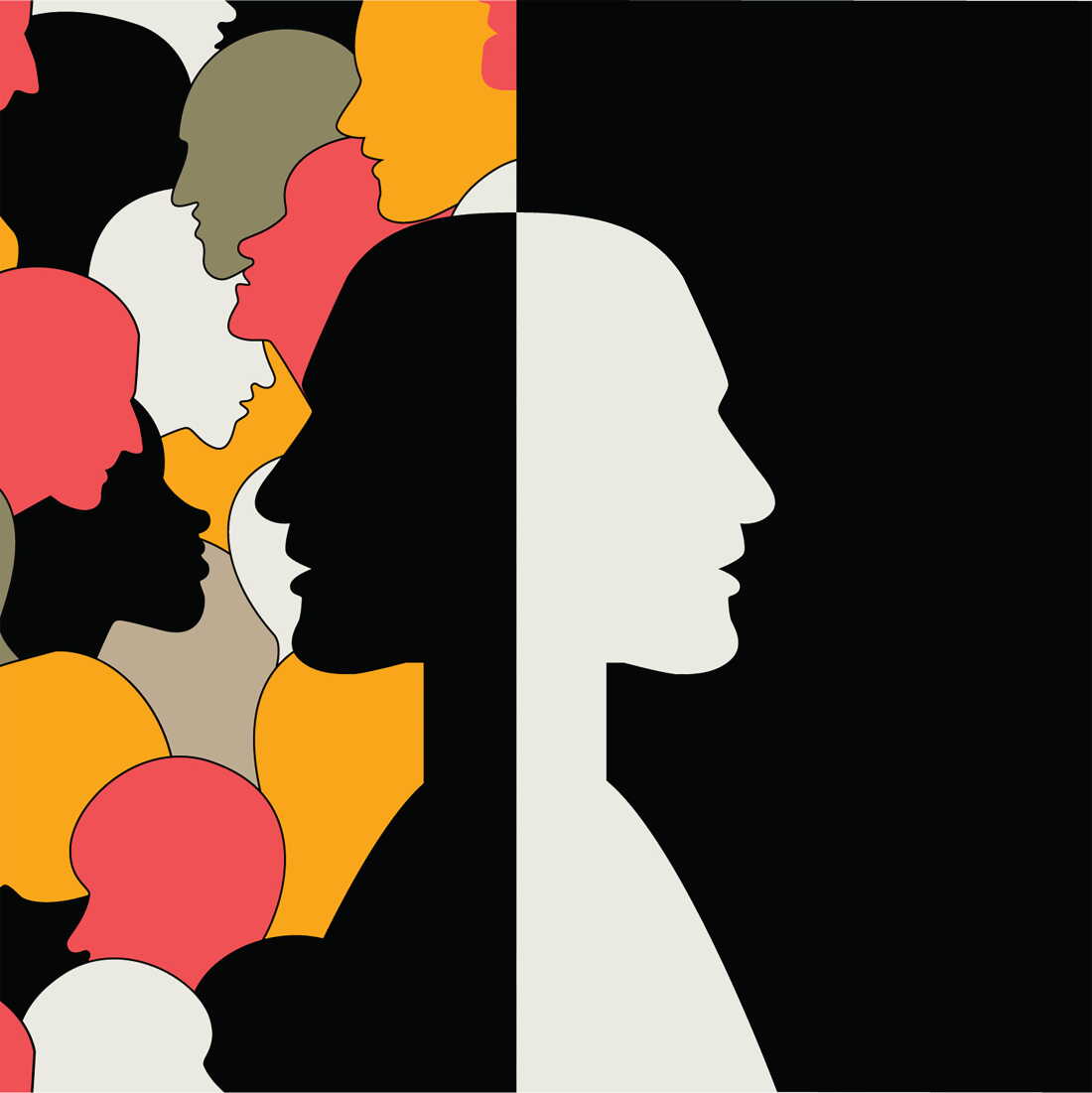
Meeting up with an extroverted friend can sometimes be challenging for an introvert like me. I often wonder if I will have enough space for my slower, quieter self, or if I can keep up with their energetic conversations. While these gatherings are mostly enjoyable, there are occasions when the energy feels misaligned.
Hearing from Jennifer Kahnweiler, author of The Introverted Leader, was reassuring. She explained that introverts and extroverts journey differently through life, and conflicts can arise when their differences clash. The solution, she suggests, is open communication to prevent resentments from building up. “If we don’t talk about these disconnects, they don’t get better,” emphasizes Kahnweiler. She coaches leaders, teams, and organizations on enabling introverts to thrive in environments dominated by extroversion.
Don’t Stereotype Your Friend
According to William Chopik, a social-personality psychologist at Michigan State University, introversion and extroversion are not binary. Instead, they exist on a continuum where most people fall somewhere in between. Introverts tend to be more introspective and value alone time, while extroverts are generally outgoing and energized by social interaction. Chopik notes that as people age, they might shift to being slightly more introverted due to changes in motivation, energy, and lifestyle.
It is important not to label your friend solely as “an introvert” or “an extrovert.” Kahnweiler suggests viewing these characteristics as different perspectives. Context also plays a role in behavior. Personal circumstances, such as a lack of social interaction, can make even an introvert more outgoing in certain situations.
Avoid Taking Behaviors Personally
If a friend’s behavior irritates you, consider whether it could stem from personality differences. Kahnweiler shares an experience of an extroverted woman who tried engaging with her introverted coworker. Her well-intentioned questions resulted in the coworker shutting down, perceiving her queries as intrusive. Understanding the situation prevented the woman from taking offense, leading to a friendship.
Express Your Needs
Expecting friends to read your mind can lead to misunderstandings. Kahnweiler notes that extroverts often find introverts slow to respond or lacking in social cues, while introverts may find extroverts overly talkative and poor listeners. Discussing these issues can improve relationships. Introverts might clarify, “Sometimes, I need space to express my ideas. Could you pause more? I will also try to share more openly because I value our interactions.”
Develop Helpful Strategies
Creating signals can help balance interactions. Kahnweiler, an extrovert herself, uses subtle gestures to remind herself to listen more and refrain from dominating conversations. A bracelet serves as her cue to appreciate silence rather than rush to fill it.
Recognize Each Friend’s Unique Strengths
Consider the introverts and extroverts in your circle and how they enhance your life. Kahnweiler cherishes her introverted friends for teaching her to find comfort in solitude. Conversely, she appreciates her extroverted friends for their lively presence in her life. Expressing appreciation for each other’s distinct traits can strengthen relationships.
Leave a Reply