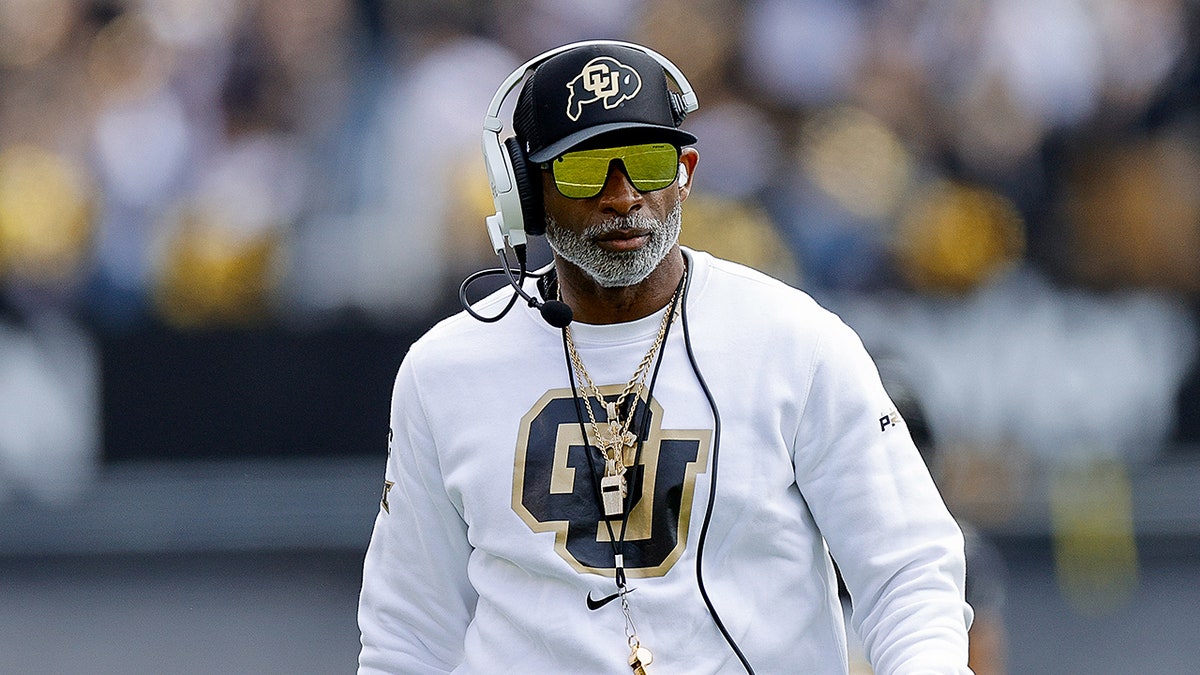
College football recruiting demands constant attention from coaches. The process continues all year, requiring diligent effort to secure new talent. Coaches face pressure to stay competitive, with the risk of being replaced if they fall behind.
Recruiting serves as a critical component for every successful program. It involves extensive travel, often meeting with young athletes to convince them of a program’s value. Despite these efforts, athletes sometimes choose other schools at the last moment, which can be disheartening for coaches.
Consider the case of Li’Marcus Jones, a top offensive tackle prospect from Nashville, Tennessee. Initially, he verbally committed to the University of Colorado. However, the team’s struggles under coach Deion Sanders led some recruits to reconsider their decisions. Jones decided to switch his commitment to Mississippi State, drawn by their early season success led by quarterback Kamario Taylor and running back Fluff Bothwell.
Mississippi State appears to be an appealing choice, given their offensive potential. Yet, Jones’ decision lasted only 30 hours before he reverted to his initial choice of Colorado. This rapid decision-making highlights a common issue in recruiting: the uncertainty and changes in commitments.
This isn’t unique to Jones. Many recruits change their commitments during the recruiting cycle. Notably, a similar incident occurred in June involving another Colorado recruit and a Mississippi school. These occurrences demonstrate the unpredictable nature of college football recruiting.
Leave a Reply