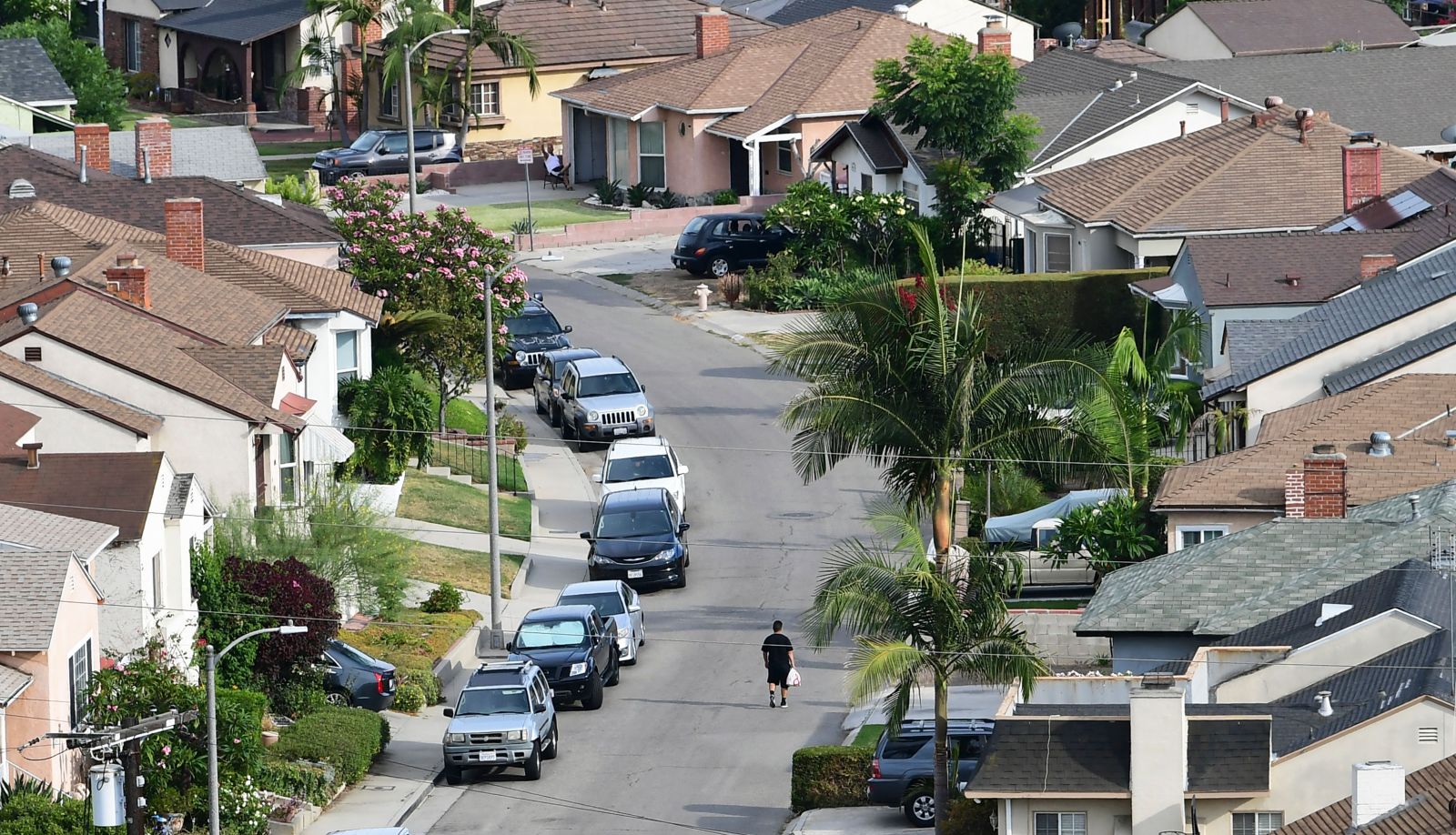
A recent report from Realtor.com reveals that a historic number of young Americans are living with their parents. Rising housing costs have made homeownership unattainable for many, and high rents complicate savings for a down payment. As of 2025, 25.2 million people aged 18 to 34 lived with their parents, equating to about one in three young adults, the highest proportion ever recorded.
Between 2020 and 2025, the percentage of young adults living with parents saw minimal change. However, the U.S. housing market has transformed since 2019, compelling young Americans to reconsider their living situations. The affordability crisis, triggered by the pandemic home-buying surge, persists. Home prices remain over 30% higher than seven years ago. Additionally, mortgage rates remain above 7%, and inflation, particularly higher energy costs, strains household budgets.
A recent study by the Center for Responsible Lending showed that saving for a starter home now takes twice as long for renters compared to 2019. A median-income household would need 16 years to save for a down payment and closing costs for a starter home.
Living with parents is becoming a strategic choice rather than just a temporary phase post-college. Many young Americans see it as a viable way to manage the ongoing housing affordability dilemma. In some instances, it remains the sole feasible option, while others approach it as a strategy to accrue savings for eventual homeownership.
Where Living With Parents Is More Common
Traditionally, living with parents is more prevalent in the Northeast, home to expensive housing markets. Metropolitan areas with the highest shares of young adults residing with parents include:
- New York: 41.3%
- Philadelphia: 38.6%
- Miami: 38.6%
- Baltimore: 38.5%
- Houston: 38.2%
- Los Angeles: 37.2%
- Atlanta: 36.3%
- Chicago: 35.8%
- Boston: 34.3%
Las Vegas tops the list for the largest increase in young adults living at home, with a 4.4 percentage point rise reaching 31.3%. San Francisco follows with a 4.3-point increase to 28.9%, and San Jose with a 3.9-point increase to 31.4%. In Las Vegas, home prices have surged 62.7% since 2019.
America’s Most Affordable Places Aren’t So Affordable Anymore
Despite little national change in the share of young Americans living with their parents, traditionally affordable regions have seen notable increases. In the South, the share of young adults living with parents rose by 32.3%, while the Midwest saw a 31.7% increase. Both regions have historically provided more affordable options compared to costly coastal markets for young Americans.
In the Northeast, a historically expensive market grappling with supply shortages, the rate fell by 2.3 percentage points to 36.9%, the lowest since 2010. Yet, this region still recorded the highest share in the nation of young adults living with parents. The West noted a 0.6 percentage point rise to a 32.4% share.
Senior economist at Realtor.com, Hannah Jones, noted that different affordability constraints can produce identical outcomes. While the median home listing price in the Midwest trails the Northeast by nearly $183,000, both regions have seen prices climb at a similar rate since before the pandemic. Midwest home prices are 48.4% higher than in 2019, whereas Northeast prices are up 50.8%.
The affordability pressure has significantly impacted those aged 25 to 34 in the Midwest. As of last year, nearly 15% of people in this age group lived with their parents, marking the highest rate for this cohort in 25 years. Across the country, the disparity between wage growth and escalating home prices contributes to difficulties for young people saving enough to enter the property market.
Previously seen as a short-term arrangement until young adults completed college or secured jobs, living at home is increasingly necessary given the continued rise in housing costs. This financial hurdle makes independent living challenging, shifting the question from readiness to affordability. Consequently, the age of first-time buyers has steadily risen, reaching a median age of 40 by 2026, as reported by the National Association of Realtors.
Leave a Reply