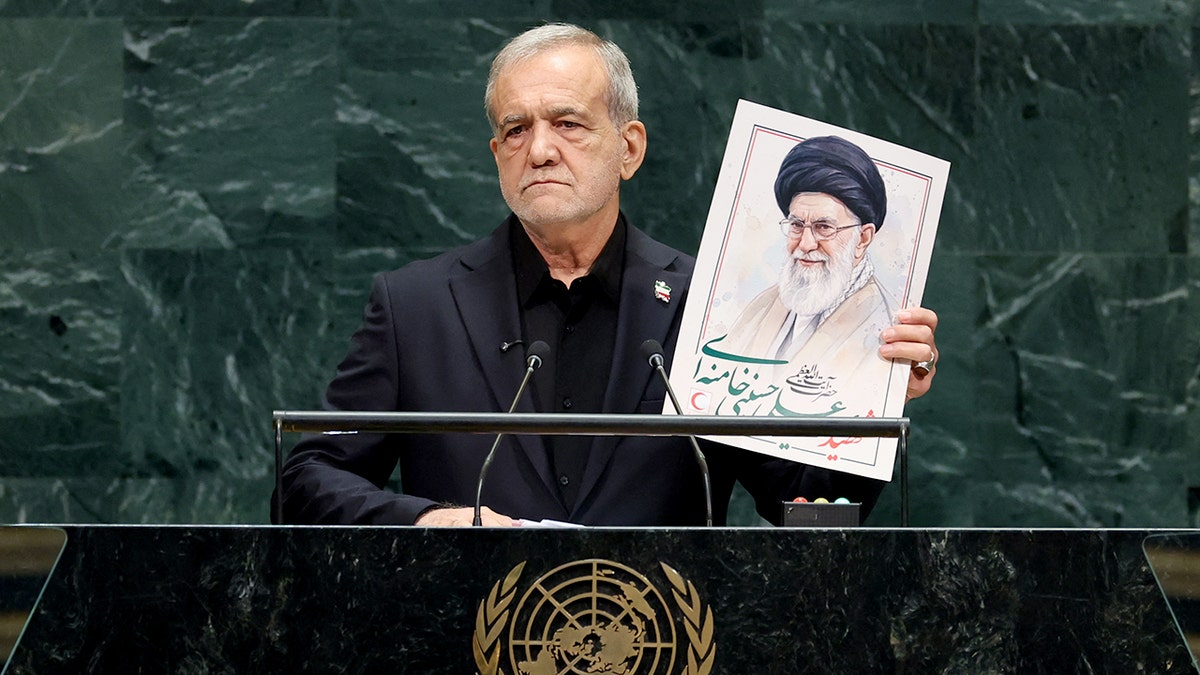
The United Nations recently confirmed Iran’s position on the Committee for Programme and Coordination. This decision sparked strong reactions from member states due to concerns about Iran’s history of aggression, which they believe should disqualify its participation in reviewing human rights and counterterrorism programs.
Hillel Neuer, executive director of UN Watch, a human rights watchdog, criticized the decision before the vote. He highlighted that Iran might exploit this position for propaganda. Neuer stated, “You’ll see a headline in Iranian propaganda right away: ‘Hey, look, we were elected to yet another body.’ As they’re killing their own people, what does the world have to say?”
He argued that maintaining Iran’s membership on the committee grants the regime undeserved international legitimacy. Neuer pointed out the U.N.’s inconsistent effectiveness, noting that at times, it empowers dictatorships rather than deterring international violence.
The vote in favor of Iran included 144 ballots cast by the U.N. General Assembly. The Committee for Programme and Coordination comprises 34 member states, each elected for a three-year term. Although not among the U.N.’s six main committees, this body assesses the organization’s plans and priorities.
The decision caused uproar among U.S. lawmakers. The House Foreign Affairs Committee expressed dismay in a statement, labeling the U.N. “morally bankrupt” for electing Iran, which they describe as “the world’s biggest exporter of terrorism,” to a committee responsible for disarmament and women’s rights priorities.
Canadian Foreign Minister Anita Anand and Australia’s Foreign Minister Penny Wong echoed these sentiments. Anand opposed Iran’s inclusion, emphasizing Canada’s commitment to upholding U.N. principles. Wong stressed Iran’s actions undermine multilateralism, voting against its nomination.
Neuer elaborated that both Western and non-Western countries monitor the U.N.’s treatment of Iran, as these actions influence future international responses. He compared it to past international responses to aggression, including former U.S. President Obama’s “red line” on Syria.
Neuer observed skepticism about the U.N. within the U.S. but noted its broader global reputation as a gauge of international consensus and legitimacy. He questioned the message sent to Iran’s regime, known for serious human rights abuses, including the murder of dissidents and oppression of women’s rights.
Leo Briceno, a politics reporter for Fox News Digital, contributed to this report. He previously worked with World Magazine.
Leave a Reply