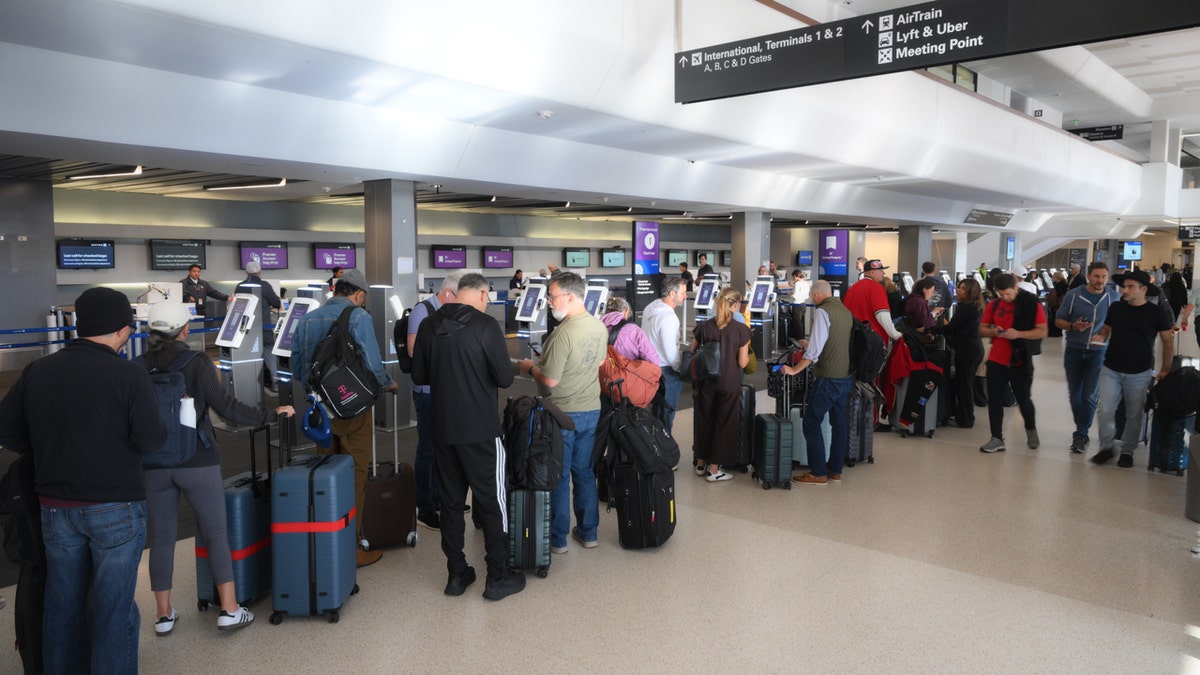
On Friday, a communication failure halted flights nationwide, affecting travelers, sports teams, and federal operations. This marked the longest national ground stop in 25 years, lasting over four hours. Airlines grappled with cancellations while investigators focused on routers linked to the outage.
Communication Breakdown Leads to Flight Grounding
At 3:36 p.m., transportation officials detected unstable radar and communication data. A nationwide halt occurred at 3:54 p.m., ensuring airborne planes landed safely. Transportation Secretary Sean Duffy confirmed the need for this precaution, despite not losing all radar feeds or communication services.
Investigation and Federal Response
At 4:16 p.m., Duffy announced an investigation into the communication problems. Federal agencies, including intelligence and cybersecurity officials, examined the possibility of malicious activity but found no cyberattack indicators. The White House, led by President Trump, coordinated a swift response to lift the ground stop in a few hours.
Impact on Sports Teams
The halt disrupted travel for college and professional sports teams. Teams faced challenges reaching games, and some were forced to remain on planes for hours. The Brooklyn Nets and other NBA teams were unable to travel as planned.
Flight Operations Resume
At 8:15 p.m., the ground stop was lifted. However, the resumption was slow as airlines required available crews. Travel disruptions persisted into the weekend, with airlines attempting to recover and reschedule flights.
Maintenance Work and Router Issues
On Saturday, it was revealed that contractor L3Harris had replaced copper lines with fiber-optic connections. A router malfunction overloaded communication systems, causing the outage. Investigators explored possible installation errors or equipment faults.
Progress Toward Normalcy
By Sunday, FAA Administrator Bryan Bedford forecasted a return to normal air travel. However, delays and cancellations continued, with officials urging passengers to get flight updates directly from airlines. Duffy sought additional funding for air traffic control system improvements.
Calls for System Modernization
United Airlines CEO Scott Kirby highlighted the need for modernized technology and full staffing. He emphasized the importance of upgrading the Air Traffic Control system for the safety of passengers and the economy. Lawmakers agreed on holding the FAA accountable and modernizing the system.
Leave a Reply