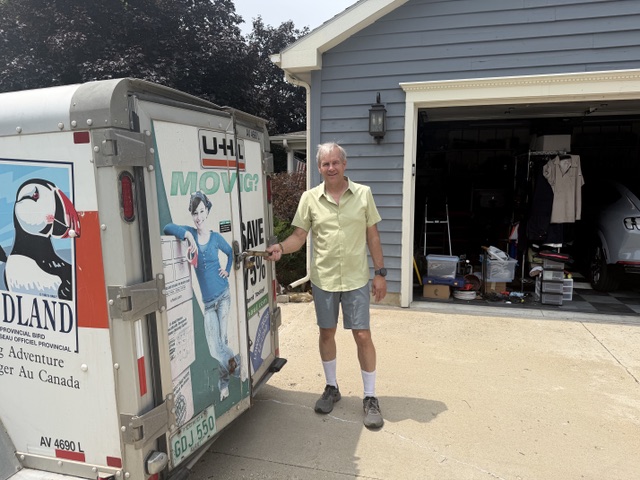
A former Ford worker, Kurt Kromm, has filed a federal lawsuit against the automaker and food-service giant Aramark. The case centers on accusations that faulty artificial intelligence branded him a thief, despite proof of his innocence, according to Kromm.
Kromm, a 60-year-old electrician from Kenosha, Wisconsin, was fired after an AI system wrongly claimed he stole cookies priced at $1.95. The incident occurred at the Ford Kentucky Truck Plant in May. Kromm is seeking over $75,000 in compensatory damages and unspecified punitive damages. The lawsuit claims that Aramark’s AI surveillance system incorrectly identified Kromm’s purchase as theft, and neither Ford nor Aramark verified the payment before terminating his employment.
At Ford’s Kentucky plant, five other employees reportedly faced similar dismissals under the same zero-tolerance policy for alleged thefts. In another related incident, Nick Nabozny, 38, was fired from Ford’s Michigan Assembly Plant when a kiosk failed to process his payment for snack items. Despite investigations clearing some workers, Nabozny remains unemployed, having used his retirement savings to support his family.
The lawsuit highlights errors with the kiosk system, citing double charges, failed transactions, and frozen screens. Kromm’s payment records contradicted the theft accusation, showing a charge of $1.95 on May 9. The lawsuit claims this charge was overlooked during the investigation.
Kromm’s attorney alleges Ford and Aramark knew about such issues but continued to trust their AI systems over payment records. The complaint asserts that the kiosk operated independently of the payment reader, which meant a failed transaction could still result in a customer’s card being charged without being recorded as completed.
Kromm discovered the charge on his bank statement post-dismissal. He communicated the evidence to Ford, which was initially dismissed. Later, Aramark acknowledged the accurate payment, prompting Ford to reverse Kromm’s termination, restore his seniority, and offer back pay. However, Kromm declined to return, citing damage to his reputation among colleagues.
The lawsuit seeks formal retraction from both Ford and Aramark. Ford responded, but Aramark did not. The Post has reached out to both companies for comments on the ongoing issue.
Furthermore, the case connects with broader legal discussions about AI-related wrongful accusations. Recently, the Senate examined a similar issue involving AI-powered cameras, highlighting the potential for technology to mislabel individuals as guilty without sufficient checks.
Leave a Reply