Overview of the Measles Outbreak
Recently in the United States, measles cases have surged dramatically, prompting significant concern. The Pan American Health Organization (PAHO) announced that the U.S. has lost its measles elimination status, which had been in place since 2000. The virus has continued to spread for over a year, leading to this public health setback.
U.S. Health Secretary Robert F. Kennedy Jr. emphasized the need to contain these outbreaks and protect families. He strongly recommends the MMR vaccination as the most effective measure to prevent measles.
Impact on Vaccination Policy
The situation represents a major health challenge for the current administration. Recent declines in vaccination rates have contributed to the widespread transmission of the virus over the last two years.
The CDC reports over 5,412 confirmed cases in 45 states and Washington, D.C., this year. There have been 43 new outbreaks, primarily linked to these cases. Alarmingly, there have been more measles cases in 2026 than any year since 1991.
Geographical Spread and Fatalities
Pennsylvania is the hardest hit, reporting over 1,500 cases. South Carolina follows with over 600 cases, while Wisconsin and Utah each recorded more than 500 cases. Six measles-related deaths have been officially confirmed this year, with additional reports from state health departments.
The vast majority of cases involve individuals who were either unvaccinated or had unknown vaccination status, accounting for 96 percent of the cases. Notably, 951 cases involved children under five, with 2,183 cases in the five to 19 age group.
Congenital Measles Cases
Congenital measles occurs when the virus is transmitted from the mother to the fetus. It can lead to severe consequences, including fatalities. Between January 1, 2025, and September 28, 2026, 13 cases of congenital measles were reported.
An additional 112 cases of measles during pregnancy were confirmed, mostly in unvaccinated women. Health officials stress the importance of vaccination before pregnancy to safeguard against these risks.
Nature and Prevention of Measles
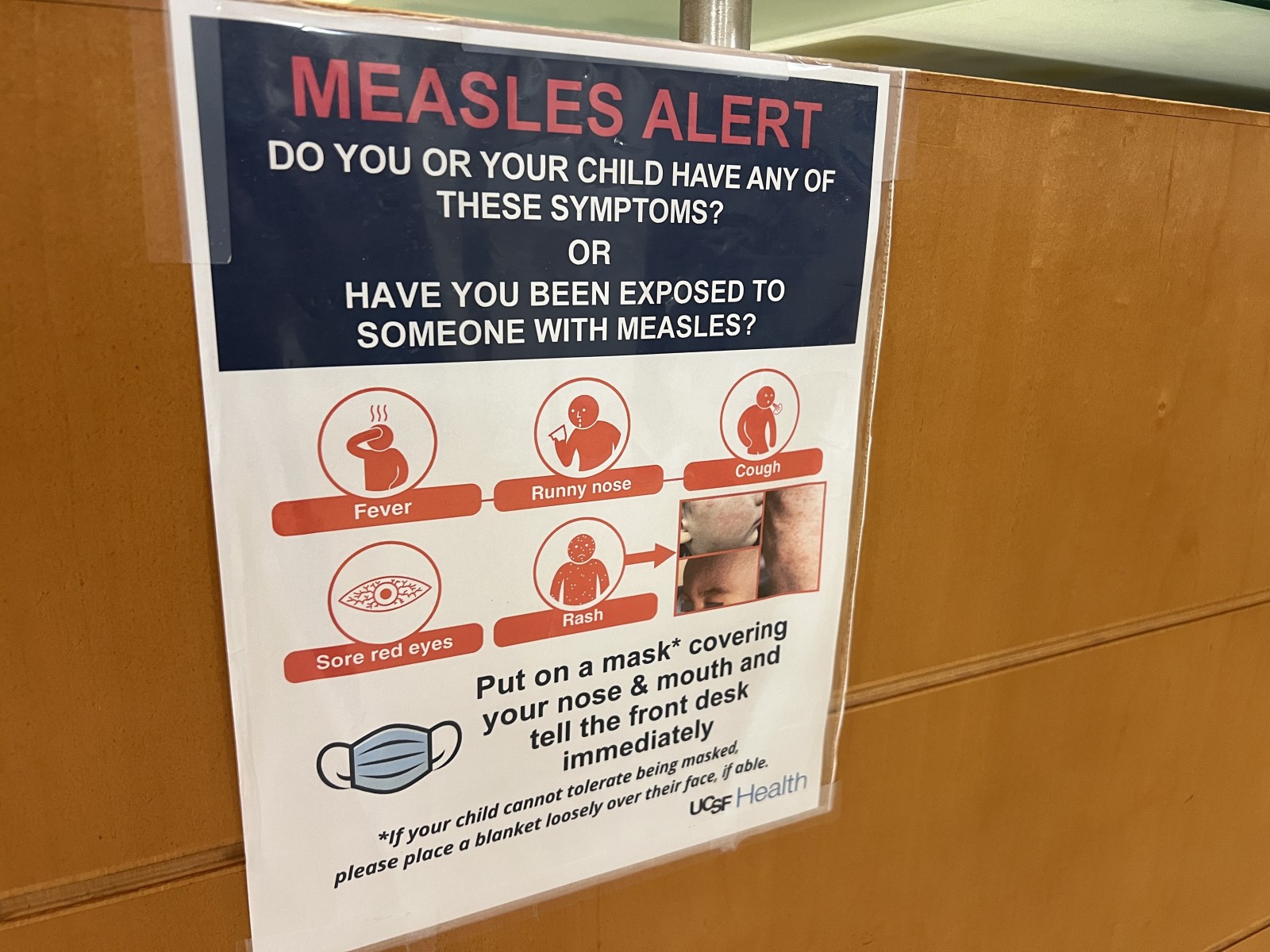
Measles is extremely contagious, spreading easily through the air. It presents symptoms such as fever, cough, and a rash, and can cause serious complications such as pneumonia and brain swelling. The MMR vaccine remains the key preventive measure, with two doses proving about 97 percent effective.
Reasons for Measles Resurgence
The resurgence is attributed to declining vaccination coverage. During the 2025-26 school year, only 92.4 percent of kindergartners received the MMR vaccine, below the recommended 95 percent coverage needed to prevent outbreaks.
Skepticism surrounding vaccines has further complicated the situation. Despite acknowledging the vaccine’s efficacy, Health Secretary Kennedy’s past stance has raised concerns among public health experts.
Proposed solutions involve making new health investments and firmly promoting vaccination backed by scientific evidence. Addressing misinformation is crucial to increasing vaccination rates.
Current Actions and Strategies
Kennedy attributed part of the gap in vaccinations to disruptions during the COVID-19 pandemic. He also pointed out that several countries, besides the U.S., have lost measles elimination status.
The CDC has allocated $100 million toward addressing the issue domestically. Efforts are focused on closing vaccination gaps and rebuilding public trust. Kennedy emphasized transparent communication with families regarding vaccine benefits and risks.
CDC Director Dr. Erica Schwartz indicated that maintaining focus on stopping outbreaks is vital, rather than relying solely on an elimination designation.
Leave a Reply