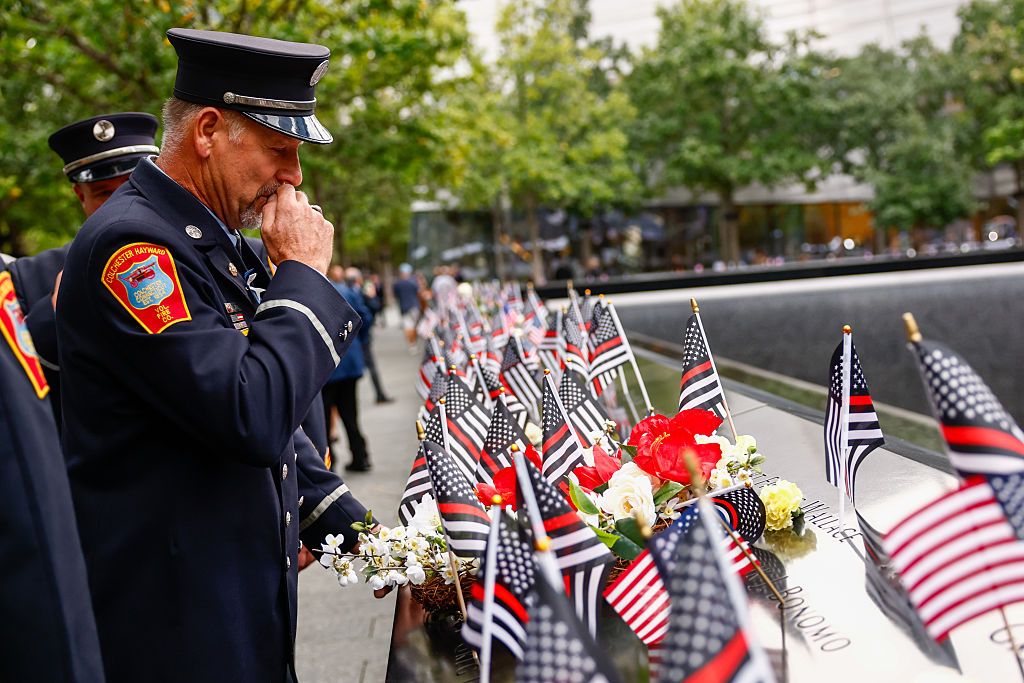
The number of deceased claims filed with the September 11th Victim Compensation Fund (VCF) has exceeded 10,000. This grim statistic marks over 25 years since the attacks, highlighting the enduring health issues affecting responders and others exposed during the aftermath. These health problems persist, especially as cancers and other illnesses continue to affect those who were in the area.
Increased Claims and Health Concerns
By October, the VCF reported 10,029 deceased claims. This is a substantial increase from 610 claims recorded at the end of 2015. The figures starkly contrast the 2,977 people who died during the 2001 attacks.
Deceased claims do not equate to a confirmed 9/11-related death. Each claim is evaluated based on presence in the exposure zone and having a qualifying health condition. Most approved death awards by the VCF involve cancer, accounting for nearly 94 percent, according to attorney Michael Barasch.
Cancer Cases on the Rise
The World Trade Center Health Program recognizes various cancers affecting responders and survivors. As of September 30, there were 59,279 cancer certifications, up from 3,204 in December 2014. Certification means a member’s condition meets the program’s criteria for a covered health condition, not definitive exposure causation.
Barasch emphasizes that cancers can manifest years after exposure. Substances in the dust and debris pose long-term health risks. Federal policy didn’t immediately acknowledge these risks. Cancer was only added to covered conditions in 2012.
Significance of Early Detection
Christine Sakoutis, a 9/11 survivor, stresses the importance of early detection. After developing a severe cough in 2017, she was diagnosed with stage 2B cancer. Surgery and chemotherapy improved her odds of survival.
Sakoutis urges others potentially exposed to maintain regular health monitoring. Early detection significantly impacts survivability.
Eligibility for Assistance
Doug Mandelkow stressed understanding program eligibility. His father, an FDNY fire inspector, did not associate his cancer with 9/11 work initially. Believing the illness wasn’t linked delayed his pursuit of assistance.
Programs cover more than direct responders. Eligibility extends to qualifying geographic and medical conditions. The VCF offers claims until 2090, allowing ongoing compensation pursuit.
Attention to Rare Cancers
Less common cancers are gaining awareness within affected communities. The program certified 611 neuroendocrine cancer cases among members. These tumors share features of nerve and hormone-producing cells and manifest in various organs.
Barasch mentions skin, prostate, breast, lung, and thyroid cancers as additional concerns within the 9/11 community. He advocates communicating exposure history to healthcare providers to aid potential early detection.
Challenges in Claim Processing
Families often face lengthy administrative hurdles when pursuing claims posthumously. Barasch highlighted challenges like requiring documentation and legal authority to represent deceased victims. He calls for expedited processes and changes to how life insurance impacts compensation calculations.
Barasch’s proposals include indexing non-economic loss limits to inflation and increasing federal program staffing. These are his suggestions rather than officially announced changes.
The Long-term Human Toll
The milestone of 10,000 deceased claims underscores the protracted impact of the September 11 attacks on human health. Doug Mandelkow notes that each claim signifies a personal story of loss resembling his own.
Sakoutis reflects on the emotional weight tied to these rising numbers. She acknowledges survivor guilt but encourages others to seek monitoring and health care proactively.
Barasch’s parting advice is clear: take exposure risks seriously and prioritize early intervention.
Leave a Reply