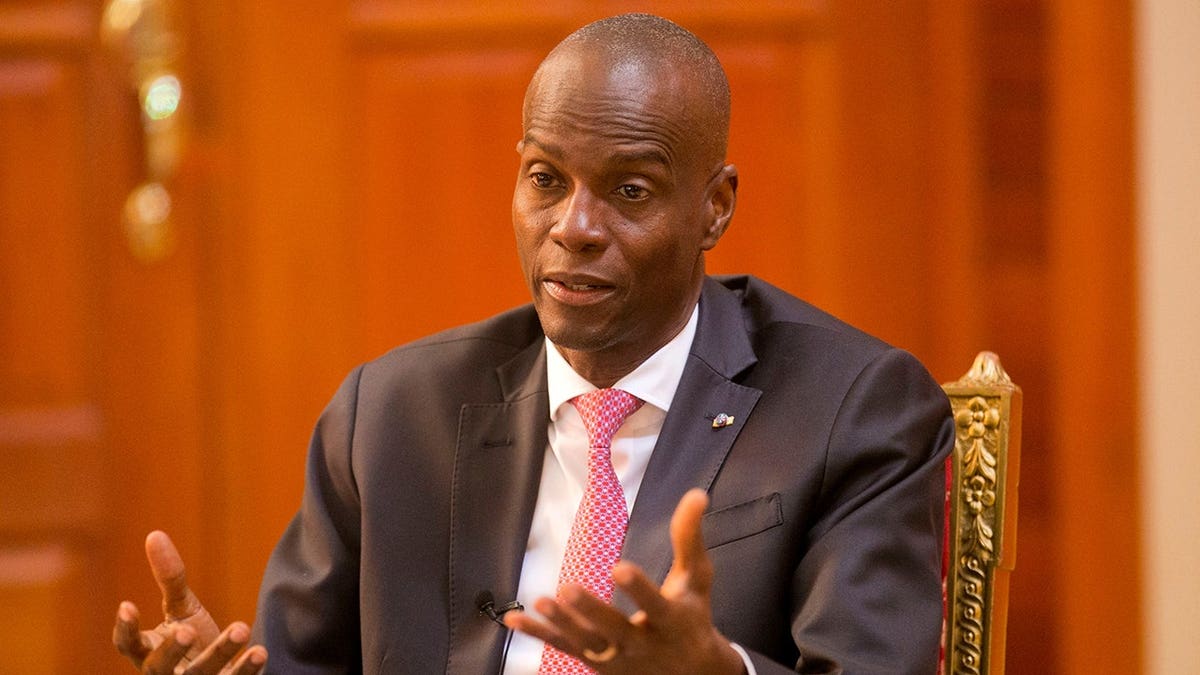
A Florida pastor was found guilty on Wednesday in connection with the assassination of Haitian President Jovenel Moïse. The plot was reportedly orchestrated in South Florida and involved funds from U.S. COVID-19 relief which were used to hire foreign mercenaries.
Christian Emmanuel Sanon, a dual citizen of Haiti and the United States, faced a nearly eight-week trial in Miami and was convicted on all eight federal charges. He could receive a life sentence during the February 10 hearing.
Prosecutors detailed that the conspirators initially intended to position Sanon as Haiti’s leader. In exchange for this, he was to provide security and infrastructure contracts. However, he was soon abandoned as their choice, weeks before the assassination occurred.
On July 7, 2021, a squad composed mainly of retired Colombian soldiers attacked Moïse’s residence, resulting in his death and injuring his wife.
Sanon has denied being aware of any assassination plan. During his testimony, he stated he had discussions with others about governmental changes but insisted those plans did not include violence.
Sanon’s lawyer, Zeljka Bozanic, expressed disappointment at the verdict, indicating plans to appeal the decision.
The conspiracy involved planning and financial activities centered in South Florida, as prosecutors noted. The funds in question, meant for pandemic relief, were utilized to pay around two dozen hired foreign mercenaries.
The scheme’s initial formation dates back to April 2021, when Sanon convened with others, including a former Haitian senator and U.S. entrepreneurs, in South Florida.
Once hypothetically in power, Sanon had agreed to award contracts for infrastructure projects, security, and military supplies to two companies based in Florida. These companies initially hired 18 Colombian soldiers, trained in military tactics, to provide protection for Sanon. Over time, the group acquired weapons, body armor, and established contacts with Haitian gangs.
Evidence indicated Sanon not only raised funds but also organized travel and accommodations in Haiti for the involved parties.
By June 2021, the conspirators decided Sanon lacked the necessary qualifications and support to lead Haiti, prompting them to support another candidate.
Sanon joins more than a dozen defendants convicted in connection to Moïse’s assassination, with over 40 people charged thus far. Of these, five have already received life sentences.
In May, four other individuals were found guilty of conspiring against Moïse, providing aid for the assassination plan, and violating the U.S. Neutrality Act. They face potential life sentences as well.
Currently, Haiti remains without a president following Moïse’s assassination, contributing to further political instability. A presidential election is scheduled for the upcoming year.
Leave a Reply