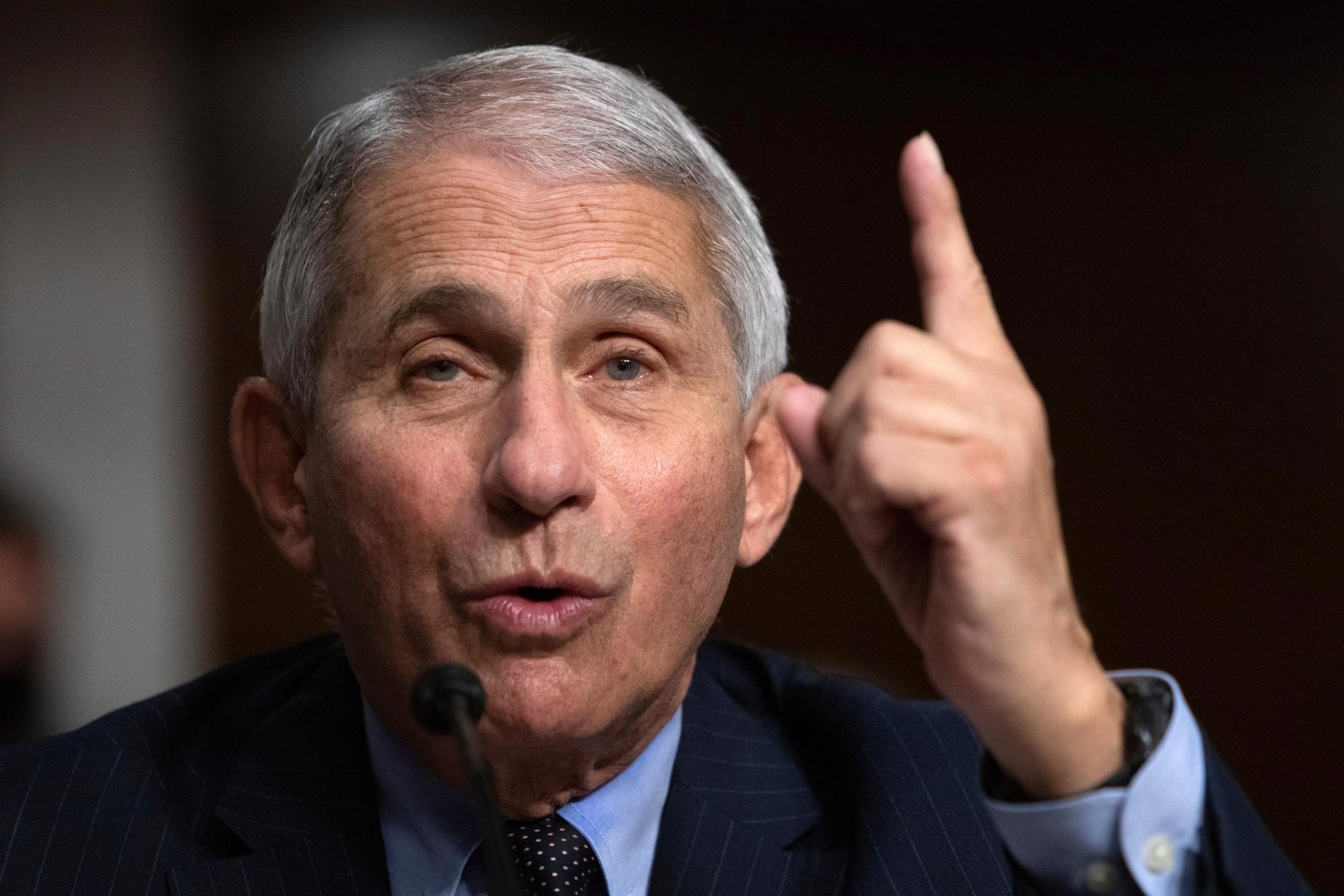
Recent discussions have highlighted the importance of honesty from key medical institutions. Dr. Anthony Fauci’s role in shaping the public response to COVID-19 is under scrutiny. His actions, particularly in 2020, are crucial to address.
Jay Bhattacharya, a leading figure at the National Institutes of Health (NIH), has called for transparency regarding Fauci and former NIH head Francis Collins. Their involvement in a significant 2020 article challenging the ‘lab-leak hypothesis’ requires examination. Communications obtained by congressional researchers suggest pressure was exerted on scientists to portray the lab-leak theory as unfounded.
Emails show Fauci and Collins influenced a peer-reviewed piece, despite Fauci’s later denial of early knowledge. The scientists expressed uncertainty about their findings but felt compelled to avoid accusations of promoting anti-China sentiment.
Fauci’s reluctance to explore the lab-leak idea is linked to his direction of NIH funding to coronavirus research at the Wuhan Institute of Virology, even amid rules against such projects. His assistant’s admission of concealment adds weight to these allegations.
Bhattacharya’s appeal to Nature Magazine involves reviewing or retracting the contested paper, which could aid in restoring credibility. This situation also questions the broader scientific community’s integrity when political biases affect research objectivity. Fauci’s actions, potentially shielded by a presidential pardon, hinder the full revelation of the pandemic’s origins.
This issue is not isolated. Other scientific authorities, particularly those endorsing unproven theories about adolescent gender transitions, also face calls for accountability. For the scientific community to regain public trust, it must prioritize integrity over political considerations. Until then, the phrase ‘trust the experts’ risks being dismissed.
Leave a Reply