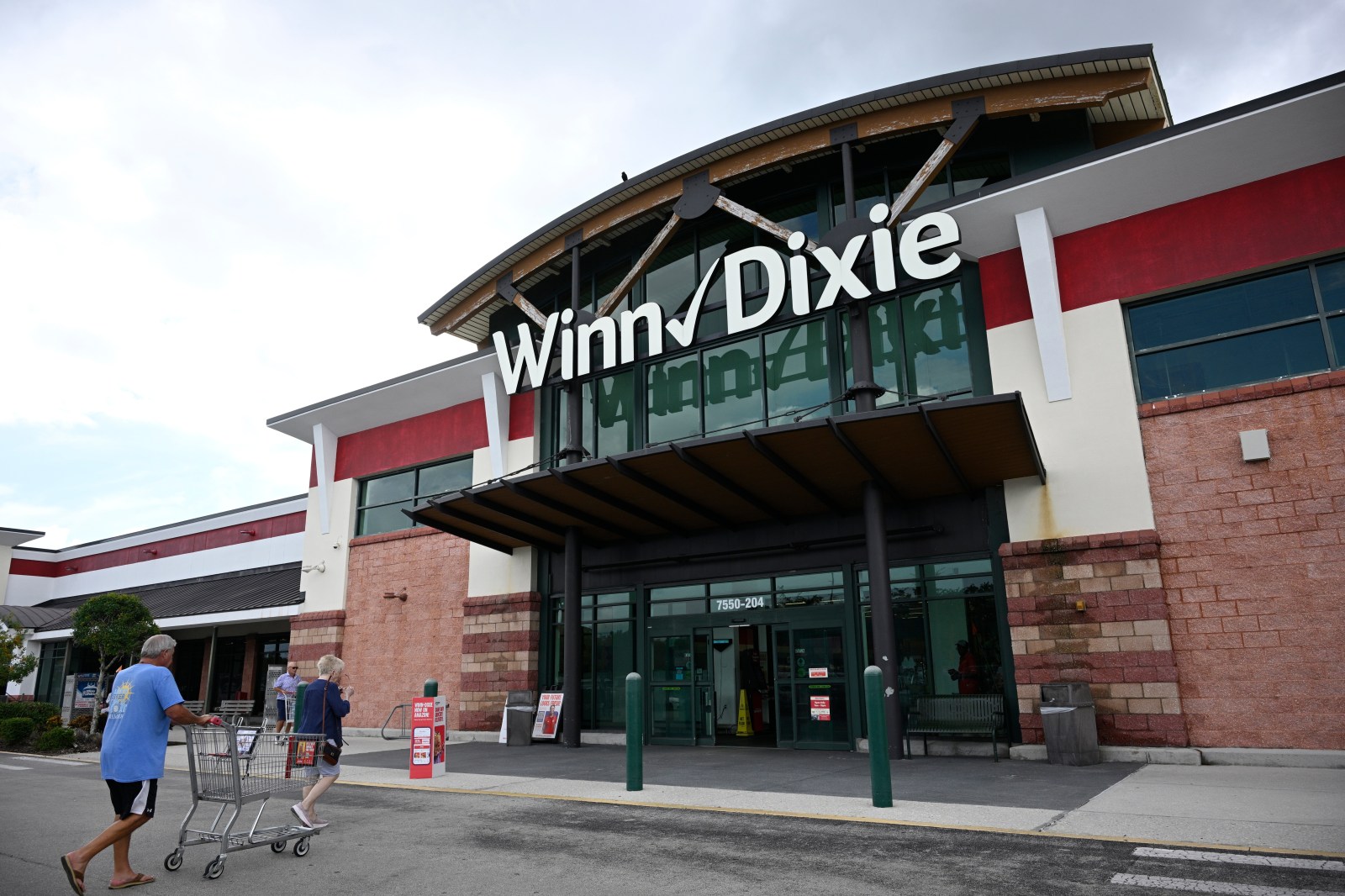
Winn-Dixie, a grocery store chain based in Florida, is closing its remaining Georgia stores. This move aligns with its strategy to refocus on its home state. By directing its resources to Florida, the chain aims to improve current stores, open new ones, and explore growth opportunities within the state.
A spokesperson from Winn-Dixie highlighted that concentrating on Florida allows the company to enhance its community presence. In a transaction with Food Lion, the five Georgia stores will operate under the Winn-Dixie name until the deal concludes. They will then close briefly before reopening in mid-December as Food Lion outlets.
Food Lion will acquire these five locations, continuing to operate more than 1,100 stores across the Southeast and Mid-Atlantic regions. The affected Georgia locations include Brunswick, Folkston, Lake Park, St. Simons Island, and Valdosta.
Winn-Dixie’s journey began over a century ago in Miami as Winn & Lovett Grocery Co. It expanded through the Southeastern U.S. into Kentucky, Indiana, Alabama, and Mississippi, growing into a well-known supermarket brand. However, in 2005, the company faced financial and operational difficulties, leading to a Chapter 11 bankruptcy filing. This resulted in closing many of its over 900 stores, shifting its focus to Florida, Georgia, Alabama, Louisiana, and Mississippi.
Subsequently, the court allowed Winn-Dixie to sell its ownership in 12 stores and a distribution center in the Bahamas. In 2024, Aldi acquired Southeastern Grocers, Winn-Dixie’s parent company, retaining over 200 stores and selling the rest to a group including former executives and C&S Wholesale Grocers.
The grocery industry faces pressure from larger chains and online retailers, such as Amazon, that deliver directly to customers. Rising costs, including interest rates, impact both consumers and retailers. Dmitri Maxim, a certified management accountant, remarked on the trend of consumers buying from more affordable retailers like Walmart, Costco, and Aldi, which benefit from centralized buying power.
Maxim pointed out the increasing costs of maintaining physical stores, noting higher bills from landlords, insurers, and utility companies. Store labor costs also rise to match living expenses. Consequently, fewer people visit brick-and-mortar stores, shifting the advantage to warehousing and delivery operations.
Winn-Dixie’s plans to unify its stores, including Harveys Supermarkets, under its brand name in Florida and Georgia did not proceed as intended. High maintenance costs and reduced earnings led to the Georgia store closures.
Though signage will change, the community retains access to local stores. Maxim sees this as beneficial for towns without delivery service access and communities with limited transportation options.
Leave a Reply