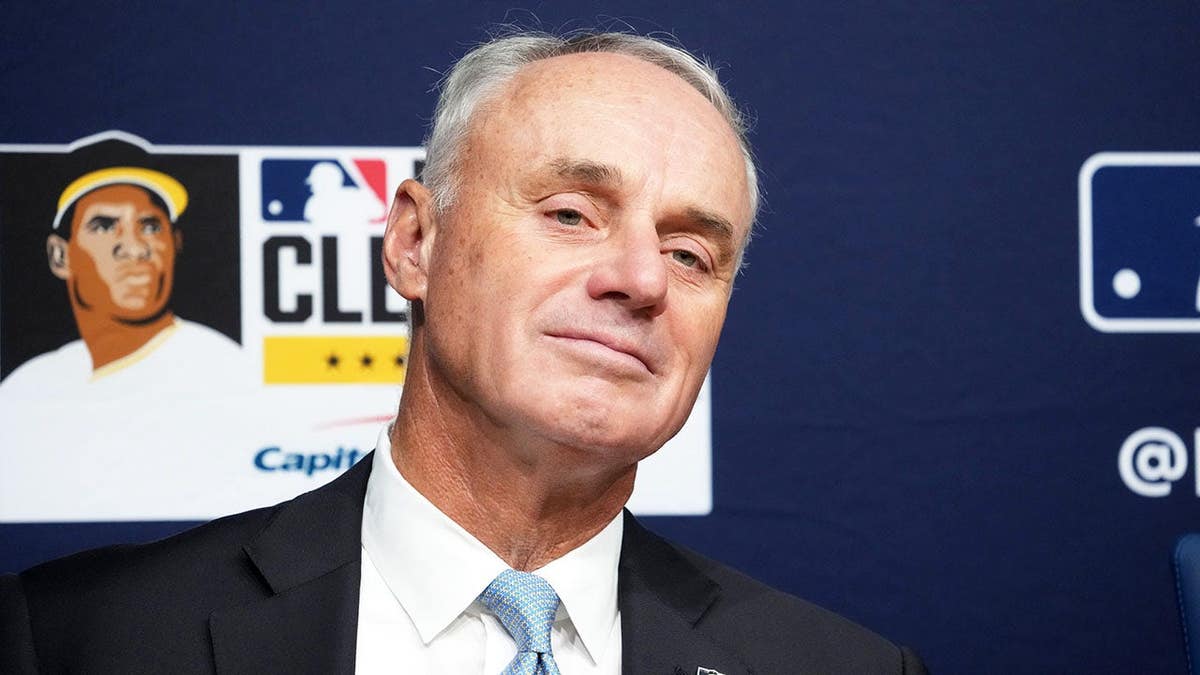
With less than two weeks to go, Major League Baseball (MLB) faces a potential work stoppage as the current Collective Bargaining Agreement (CBA) approaches expiration. Despite ongoing negotiations, the 30 team owners and the MLB Players Association remain at an impasse. The discussions primarily revolve around the introduction of a salary cap, which MLB has resisted for many years. As opposed to leagues like the NBA and NFL, MLB has yet to implement such a system.
Some baseball fans side with the owners, believing a salary cap would ‘level the playing field.’ However, the proposed cap would include a ‘floor’ that is significantly lower, allowing small-market teams that benefit from revenue sharing to minimize spending on player salaries.
Those in favor of the cap theory argue it would enhance competitive balance by limiting spending of wealthier teams. This claim merits examination given recent events in MLB. For instance, the Milwaukee Brewers, a traditionally low-budget team, captured the World Series title in 2026, defeating high-spending teams such as the Los Angeles Dodgers. The Brewers’ success contradicts the idea that extensive spending directly correlates with victories.
Data analysis, as explored by Eno Sarris and published in The Athletic, suggests that competitive balance is strong without a salary cap. Sarris used regression analysis incorporating factors like payroll, market size, and team performance, concluding that market size and spending have limited effects on outcomes. This assessment shows that MLB’s competitive nature persists because modern analytics have reduced disparities among teams.
“If payroll analysis uses ‘market score,’ incorporating TV audiences, population, and income, market size explains almost nothing about team success,” Sarris discovered.
MLB’s current CBA has increased revenue sharing and luxury tax penalties, narrowing the gaps between teams. From 2018 to 2023, 24 out of 30 teams reached the playoffs, illustrating significant parity. This is comparable to other major leagues; MLB’s system allows more league-wide competitiveness despite fewer teams making the playoffs.
Economic insights from MLB executives, such as Morgan Sword, show recognition that a salary cap is unlikely to increase small-market playoff appearances. The close correlation between intensive spending and winning is minimal, as demonstrated when excluding the Los Angeles Dodgers from calculations; no significant relationship between payroll and playoff success exists.
The experiences of postseason variability reinforce the point. For instance, Rays pitcher Drew Rasmussen labeled the Brewers as the best team he has faced, highlighting unpredictable outcomes in MLB playoffs. Overall, the debate over a salary cap does not hold substantial weight in ‘fixing’ the league, because existing competitive balance achieves a rich level of parity and fairness.
Leave a Reply