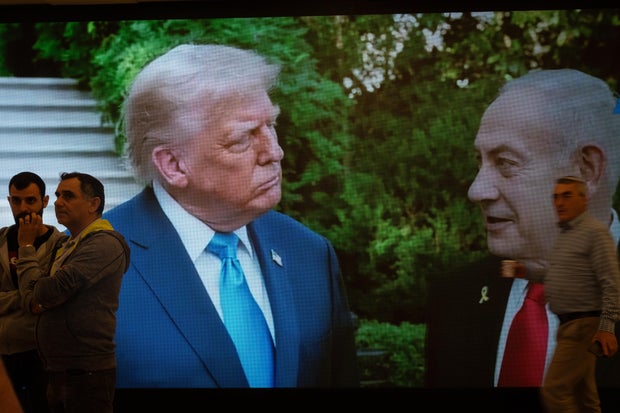
Israel and the United States are considering a new military operation against Iran. Sources suggest that the urgency stems from concerns in Israel’s administration led by Prime Minister Benjamin Netanyahu. These concerns center on Iran’s efforts to restore its ballistic missile production and its attempts to secure its military and nuclear facilities underground.
President Trump has mentioned that Iran could be pursuing chemical or biological weapons, though evidence has not been presented. U.S. and Iran have engaged in indirect negotiations for months, but these talks have not yielded a ceasefire to reopen the Strait of Hormuz. Iran insists that the U.S. lifts its naval blockade and agree to six other conditions before it will discuss its nuclear program.
Israel remains ready for conflict and ensures its military is at peak defensive readiness. Israeli sources indicate a preference for joint operations with the U.S., but President Trump’s intentions on military engagement are unclear. The war with Iran, ongoing for almost nine months, significantly contributed to the Republican Party’s defeat in the midterm elections, reflecting its unpopularity.
The U.S. already has extensive military capabilities in the region, including thousands of forces and two aircraft carriers, with potential operations starting in a few days if ordered. Both President Trump and Netanyahu initiated this conflict against Iran with significant airstrikes.
The political landscape could change soon; Netanyahu might lose his position due to recent election results, and Trump’s party will soon lose control of Congress, changing how the war is financed. Despite this potential shift, the Israeli military has indicated readiness for new hostilities, contingent on decisions made in the coming weeks.
The U.S. and Israeli governments have avoided commenting directly on plans for potential future attacks on Iran. However, ongoing military preparations suggest a new offensive could be ordered swiftly.
President Trump has suggested that Iran desires a resolution to end the war but conditions remain unresolved. Iran refuses negotiations unless the U.S. ceases hostilities, lifts blockades, and meets other demands.
Amidst claims of Iran’s expanding conventional weapon capabilities, Trump suggested the possibility that Iran is exploring biological and chemical weapons. The Iranian government, comparing these allegations to previous unfounded U.S. claims about Iraq, dismissed the accusations as false.
In meetings including senior military officials such as U.S. Central Command’s Adm. Brad Cooper and Israeli security leaders, there was significant focus on Iran. The unusual presence of Israel’s Mossad director further indicated how central Iran is in current strategic discussions.
Netanyahu’s political position, threatened by election results, further complicates potential military actions. He argues the need for united domestic efforts against perceived threats, particularly from Iran. Despite this, some opponents suggest his push for conflict may be a political maneuver.
Recent operations have seen exchanges of fire between U.S. and Iranian forces, escalating tensions. While U.S. forces emphasize such actions as self-defense, Iran’s declarations warn of a potentially expanded retaliatory scope, threatening broader international security targets.
Leave a Reply