The U.S. Army postponed the planned detonation of bomb-making chemicals in southeast Iowa due to fears of environmental and health risks. Originally scheduled for Friday, the action will now occur on Monday.
Governor Kim Reynolds, who called for the delay, discussed the matter with Acting Secretary of the Army Adam Telle. Environmental organizations had filed a lawsuit earlier to prevent the detonation.
The situation arose after several dozen barrels of lead azide, a component used in munitions, were found in a degraded state, posing a significant risk. An EPA-approved emergency permit indicated that relocating the barrels was too dangerous, especially as cold weather increased the chance of an accidental explosion.
Secretary Telle noted that delaying the detonation allows time to carry it out before upcoming cold weather might destabilize the materials further.
Local residents, especially those in Middletown, were advised to vacate their homes temporarily. The Army had previously communicated details in an October meeting in Middletown, but many communities, some as far as 100 miles away, were only newly informed of potential impacts.
An approved EPA permit required the Army to predict how the dust from the explosion might spread.
“Public communication is essential to public trust,” Telle emphasized.
In anticipation of the event, schools and businesses in the area, such as those in Danville, prepared to close. Superintendent Pat Wallace highlighted the uncertainties surrounding conditions after the detonation, influencing their decision to close two schools.
In nearby Mediapolis, other institutions, including schools and a public library, planned closures, and the local fire department prepared to clean potentially affected areas.
The planned detonations could produce quick vibrations that might damage older buildings. Dust from the explosion might linger for around an hour depending on wind conditions. Although models suggested elevated lead levels may remain below EPA thresholds, residents were urged to clean surfaces and vehicles.
Since March, Middletown officials and residents have known about the need to dispose of degraded materials. The commanders reiterated that safety remains the highest priority, given the chemical’s potential volatility in munitions production.
Professor Patrick O’Shaughnessy from the University of Iowa and Professor Andrew Whelton from Purdue University warned of lead’s neurological and systemic health impacts. Short-term high exposure could lead to lead poisoning, while long-term exposure poses particular risks to children’s development.
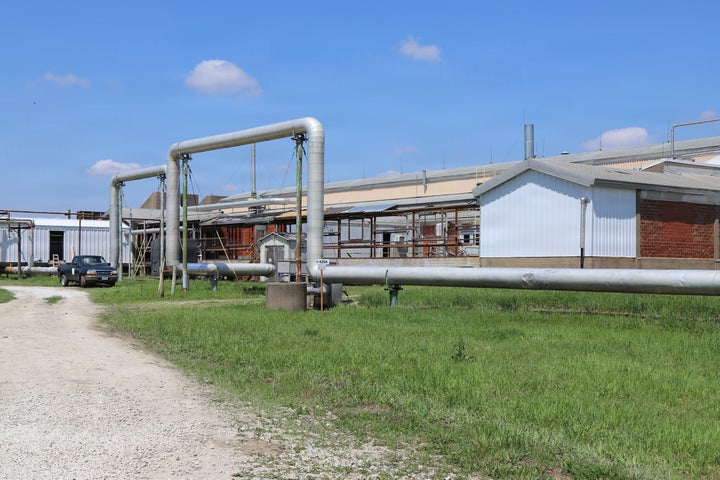
A May photo from the U.S. Army shows the Iowa Army Ammunition Plant. On Thursday, local extension offices responded to concerned residents about the potential effects on animals and gardens.
Environmental groups criticized the Army’s lack of consideration for safer alternatives, such as chemical neutralization. EPA records showed these options were dismissed to avoid the risk of a fatal accidental detonation.
Leave a Reply