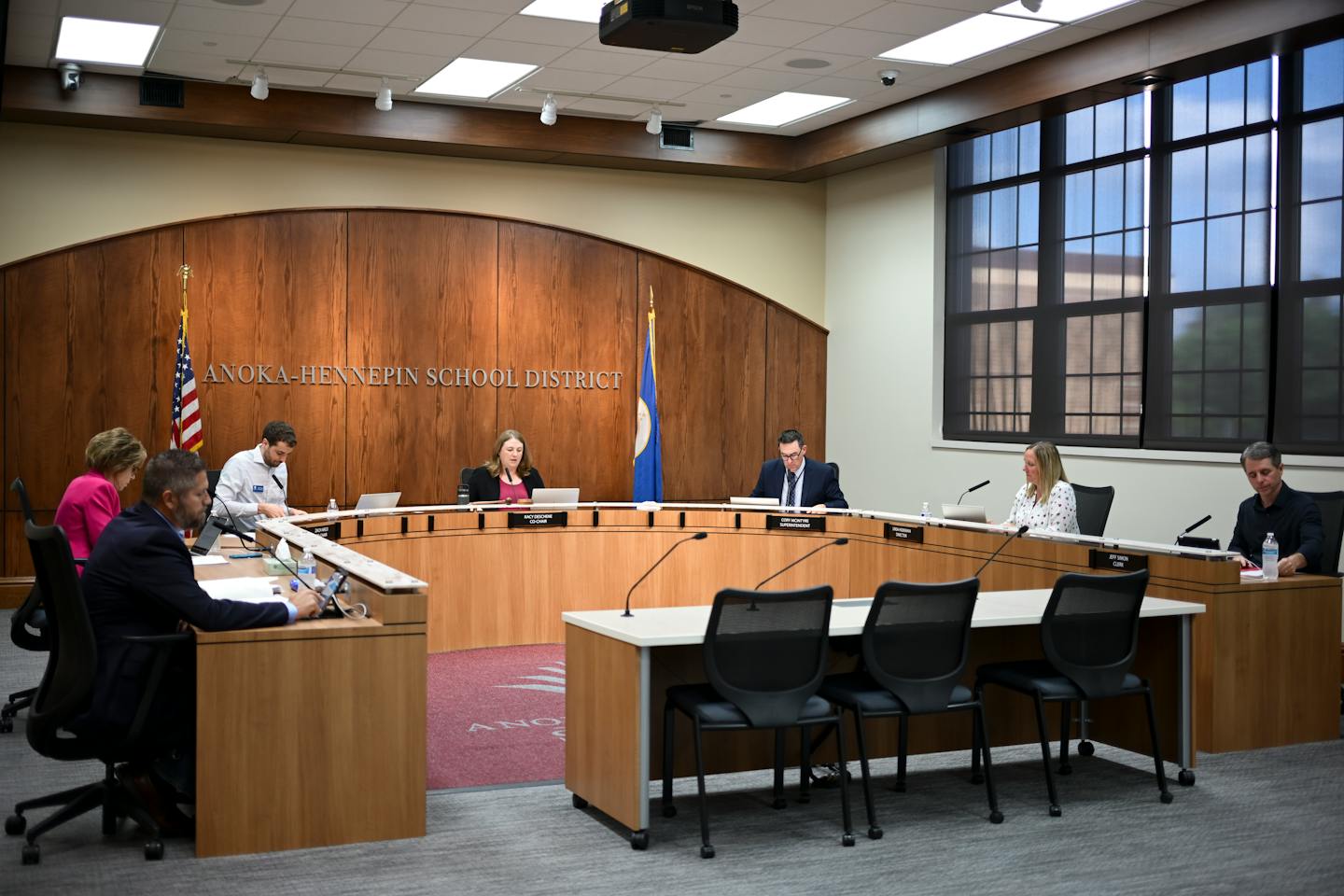
The Anoka-Hennepin school board is preparing to decide on the future of lessons focused on social and emotional skills. This decision comes amidst ongoing culture-war debates about educational content in the classroom.
The controversy centers on whether to continue with the existing social-emotional learning curriculum. Board Member Matt Audette argues against pre-packaged programs, suggesting a locally developed curriculum for better oversight.
Board Co-chair Kacy Deschene disagrees, citing research that supports the educational benefits of the current programs. She also mentions widespread backing from parents and teachers, asserting that the objections are based on perception rather than actual problems.
Faith Miller, a University of Minnesota professor, explains that social and emotional learning (SEL) focuses on developing skills like emotion management and decision-making. These concepts aren’t new but have come under scrutiny in recent years.
Background of SEL
SEL aims to help students with emotion management, goal setting, relationship building, and decision-making. Derived from character education programs popular in past decades, SEL has expanded to foster broader skills and attitudes.
In Minnesota, a 2014 law emphasized SEL to improve safety and reduce bullying. The COVID-19 pandemic increased attention on SEL, with federal relief mandating schools address social and emotional needs.
Current Curriculum in Anoka-Hennepin
Two curricula are used in the district. “Leader in Me” is based on “The 7 Habits of Highly Effective People” and is implemented in three elementary schools. “CharacterStrong” is used in both elementary and middle schools. Lessons focus on character traits like kindness and wellness.
Britt Olean from student services explains that lessons typically last 30 minutes and involve prompts like, “What do you think of when you hear ‘gratitude’?” Activities foster skills like listening and cooperation, with reflections at the end. Tom Shaw, Director of Student Services, notes that while the lessons may seem basic, they establish important common language and understanding.
Controversy and Support
SEL had bipartisan support until recently. The 2020 focus on equity in education created resistance from conservative groups worried about liberal ideologies in classrooms. The Inclusion of concepts like student identity and inequity has added fuel to debates about SEL.
A survey by the Anoka-Hennepin district shows broad parental support for SEL, despite some concerns about its jargon. A national survey indicates parents prefer an academic focus and express apprehension about SEL’s terminology.
Research and Future Moves
Evidence supports SEL’s role in improving academic outcomes. A major study shows SEL participants excel in achievement compared to non-participants. However, time constraints limit effectiveness in schools, according to a National Center for Education Statistics report.
The school board is set to resolve the matter, with Superintendent Cory McIntyre urging a swift decision. He emphasizes the importance of SEL in advancing student achievement and calls for an end to the year-long debate.
Leave a Reply