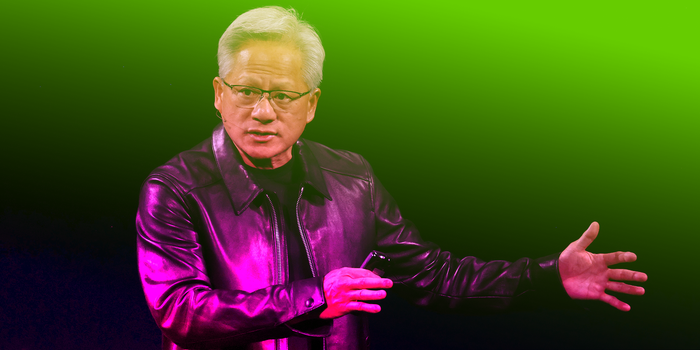
The recent reinstatement of Nvidia CEO Jensen Huang has sparked significant debate in Corporate America. This event serves as a reflection on the shifting dynamics within the corporate world, challenging traditional values surrounding leadership accountability.
The Controversial Return
Following Jensen Huang’s removal from Nvidia due to accusations of misconduct, his unexpected return has drawn attention. Allegations against him included misleading the board, engaging in inappropriate affairs with employees, and being involved in a foreign intelligence probe. Notably, reports described him as a volatile leader. Yet, not long after, the company’s board reinstated him, declaring satisfaction with his honesty and citing feedback from high-level government sources.
Support for Huang came from various quarters, including a nod from former President Donald Trump, who labeled Huang a ‘National Treasure.’ Trump likened the situation to his own past controversial statements about celebrities having undue leeway.
Implications for the #MeToo Movement and Workplace Ethics
Huang’s return underscores a worrisome message for corporate ethics. Historically, CEOs embroiled in sexual scandals, like those at McDonald’s and Nestlé, faced removal. The principle was straightforward: relationships within the office hierarchy, especially between a superior and a subordinate, skew equitable professional advancement.
Julie Roginsky of Lift Our Voices stated, “A sexual relationship with a subordinate cannot exist on an equal footing.” She emphasized how such dynamics can disadvantage other employees not in such relationships.
The Paradox of Indispensability
Huang’s case suggests a shift in accountability where founders and critical leaders may bypass standard conduct rules if their perceived value to the company is high enough. Nvidia, pivotal in AI advancements, is seen as irreplaceable, which may justify loosening usual corporate governance standards.
As Jessica Kriegel from Culture Partners remarked, “The more indispensable you are, the fewer rules apply.” This challenges the traditional discipline framework and calls attention to potential unfairness towards other employees.
Reactions and Future Concerns
Nvidia employees celebrated Huang’s return, illustrating his strong support base. Yet, beyond the cheer, there’s a deeper narrative questioning the sustainability of such leadership practices. How companies manage these situations may set precedents for broader corporate culture.
The broader concern is about the perceived immunity of highly valuable leaders. As Bradley Akubuiro from Bully Pulpit International observes, this episode reinforces a troubling lesson on the balance between a leader’s value and acceptable behavior.
Robert Mason of SPOC Energy succinctly reminded, “True leadership means increased accountability.” Such discourse points towards the inherent contradictions and pressures within modern corporate governance structures.
As the business community assesses the fallout from Huang’s reinstatement, the conversation shifts toward safeguarding equity and fairness, even for those at the helm of leading corporations. Whether there will be profound change remains to be seen, but the dialogue it has inspired is noteworthy.
Leave a Reply