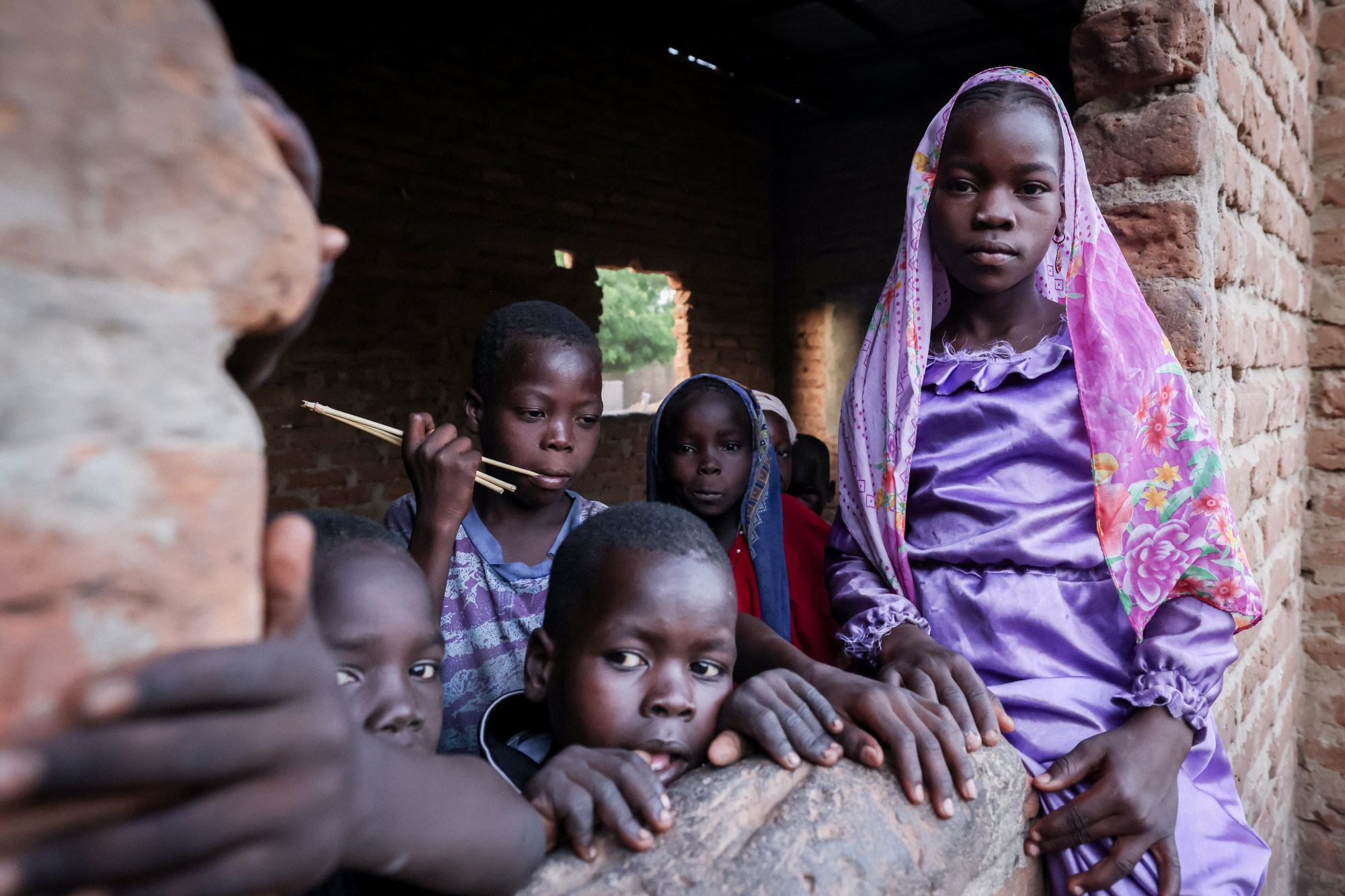
In Chad’s capital, N’Djamena, the local population faces economic hardships and drought. Communities mainly rely on livestock and agriculture for their livelihoods. Despite the challenging conditions, Chad is rich in local culture, especially in rural areas where traditional lifestyles are preserved. Children, forming a large part of the population, grow up with limited resources, yet community solidarity plays a crucial role in their lives.
East Africa is experiencing a growing food security crisis, with children being the most vulnerable. Somalia is significantly affected, with millions facing severe hunger and nearly 1.9 million children threatened by acute malnutrition this year. The crisis is exacerbated by drought, conflict, displacement, and cuts in humanitarian aid. Similar issues are present in Sudan, South Sudan, Yemen, and Central America’s dry corridor, where El Niño causes drought and irregular rainfall.
Children suffering from prolonged hunger face increased risks of disease, death, and permanent developmental setbacks. Severe malnutrition in infants and young children can be fatal within days. However, this threat is preventable through affordable, locally available foods. For those already severely malnourished, Ready-to-Use Therapeutic Food can save lives. Sadly, many children relapse into malnutrition, highlighting the need for a preventive approach.
Data is essential for early intervention. The Famine Early Warning Systems Network provides crucial information on food insecurity and famine risks. This data allows timely action to prevent children from becoming malnourished or families from displacement. The U.S. government’s decision to continue publishing analyses for countries like Somalia, Afghanistan, and Yemen is encouraging. This visibility should now lead to tangible strategies and actions.
The Global Food Security Act requires the U.S. to produce a food security strategy every four years. With the last strategy released in 2022, a new one is overdue. The State Department supports lifesaving foreign aid, and the forthcoming strategy should focus on prevention, early action, and protecting children.
Organizations like Save the Children have longstanding experience in crisis zones like Somalia and Yemen. Historical lessons show the cost of delayed responses. For instance, in Somalia, inadequate swift action led to the death of 258,000 people during a food crisis years ago. About 133,000 were children under five, and many died before an official famine declaration.
The new strategy needs to provide a comprehensive overview of where hunger worsens, identify vulnerable groups, and implement effective interventions. The focus should be on early warning, financing, and action, integrating improved technology and nutrition data.
A key question for policy makers is transitioning from funding famine responses to funding prevention. Investing in prevention not only saves lives but also reduces financial losses. Measures to prevent severe malnutrition are far more effective and preferable to treatment. The cost of inaction is not just financial but impacts children’s health and development, sometimes fatally.
Recognizing the warning signs of the hunger crisis is vital. The knowledge to prevent it exists, as well as the ability to treat it and anticipate its path. The gap lies in implementing a strategy that acts on this knowledge, before more children suffer irreversible damage.
Janti Soeripto is the U.S. president and CEO of Save the Children.
Leave a Reply